THE ADVENTURE COLLECTIVE® · Independent discovery and booking for outdoor travel

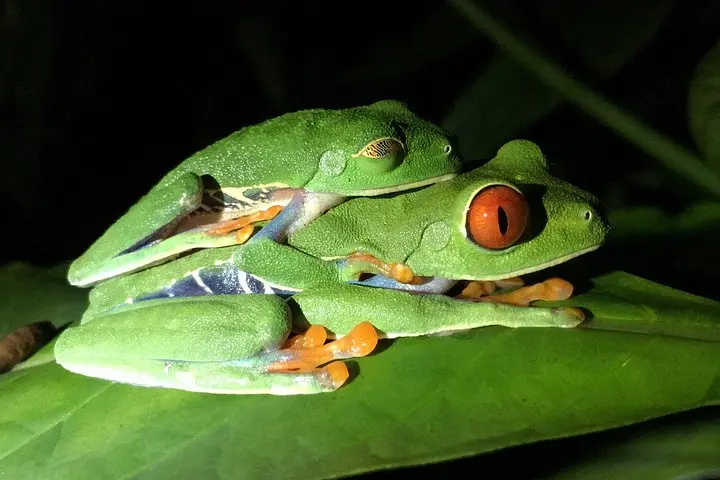
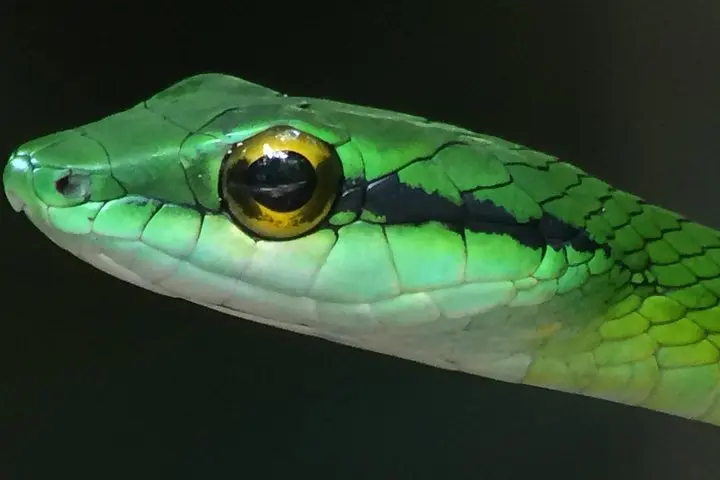
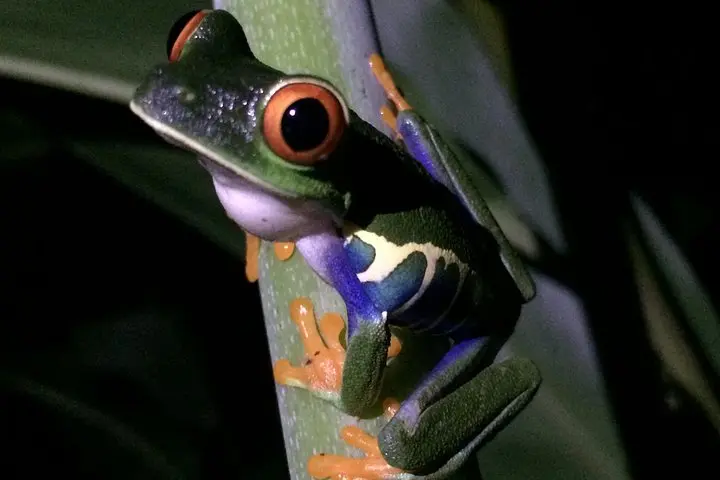
Step into Manuel Antonio after dark with ICT-certified naturalists and Swarovski optics to find red-eyed tree frogs, eyelash vipers and nocturnal mammals. This two-hour guided walk balances close wildlife encounters with low-impact practices.
Step into Manuel Antonio after dark with ICT-certified naturalists and Swarovski optics to find red-eyed tree frogs, eyelash vipers and nocturnal mammals. This two-hour guided walk balances close wildlife encounters with low-impact practices.
A narrow beam of flashlight cuts through humid air as the rainforest exhales around you — insects chirp, leaves stir, and a pair of glowing red eyes fixes on your silhouette. On the Night Tour in Manuel Antonio, naturalist guides lead small groups onto shaded trails where amphibians, snakes and nocturnal mammals come alive after sunset.
Verified experiences and guided adventures in the surrounding area.
Operated by Travel and Birding · Manuel Antonio, Puntarenas
A narrow beam of flashlight cuts through humid air as the rainforest exhales around you — insects chirp, leaves stir, and a pair of glowing red eyes fixes on your silhouette. On the Night Tour in Manuel Antonio, naturalist guides lead small groups onto shaded trails where amphibians, snakes and nocturnal mammals come alive after sunset.
Manuel Antonio sits on Costa Rica’s central Pacific coast; the protected park established in the early 1970s preserves lowland rainforest, rocky headlands and a short coastline carved from uplifted sedimentary rock. Local Quepos grew as a fishing port and today supplies the guides and communities that benefit from eco-tourism here.
Guides on this tour are ICT-certified and use Swarovski optics and controlled light to locate species without stressing them. Expect to learn about red-eyed tree frogs, eyelash vipers and night monkeys as guides explain predator-prey links and the delicate microhabitats—epiphytes, bromeliad pools and leaf litter—where many species breed.
Practicalities: the tour runs two hours, includes transportation and park entrance, and requires a two-person minimum. Trails are short but uneven; waterproof footwear with grip and a light jacket are wise. Avoid flash photography, keep voices low, and follow the guide’s direction around sensitive plants and nesting sites. Infants must sit on laps, and the activity is not recommended for people with serious heart conditions.
The experience is compact, focused and educational — a close-up of a nighttime ecosystem that rewards patience and quiet observation.
The tour lasts about two hours and typically includes transportation, park entrance and use of guide optics and flashlights.
No wildlife is guaranteed, but guides know local microhabitats and sightings of red-eyed tree frogs, eyelash vipers and nocturnal mammals are common on night walks.
The tour is marked physically easy but involves uneven, dimly lit trails; infants must sit on laps and the tour may be unsuitable for those with serious mobility limitations or heart conditions.
Full refunds are available if you cancel at least 24 hours before departure; weather or low participation may also trigger cancellations.
Travel and Birding operates guided outdoor trips and adventures with an emphasis on safety, stewardship, and memorable experiences.
A narrow beam of flashlight cuts through humid air as the rainforest exhales around you — insects chirp, leaves stir, and a pair of glowing red eyes fixes on your silhouette. On the Night Tour in Manuel Antonio, naturalist guides lead small groups onto shaded trails where amphibians, snakes and nocturnal mammals come alive after sunset.
A narrow beam of flashlight cuts through humid air as the rainforest exhales around you — insects chirp, leaves stir, and a pair of glowing red eyes fixes on your silhouette. On the Night Tour in Manuel Antonio, naturalist guides lead small groups onto shaded trails where amphibians, snakes and nocturnal mammals come alive after sunset.
Manuel Antonio sits on Costa Rica’s central Pacific coast; the protected park established in the early 1970s preserves lowland rainforest, rocky headlands and a short coastline carved from uplifted sedimentary rock. Local Quepos grew as a fishing port and today supplies the guides and communities that benefit from eco-tourism here.
Guides on this tour are ICT-certified and use Swarovski optics and controlled light to locate species without stressing them. Expect to learn about red-eyed tree frogs, eyelash vipers and night monkeys as guides explain predator-prey links and the delicate microhabitats—epiphytes, bromeliad pools and leaf litter—where many species breed.
Practicalities: the tour runs two hours, includes transportation and park entrance, and requires a two-person minimum. Trails are short but uneven; waterproof footwear with grip and a light jacket are wise. Avoid flash photography, keep voices low, and follow the guide’s direction around sensitive plants and nesting sites. Infants must sit on laps, and the activity is not recommended for people with serious heart conditions.
The experience is compact, focused and educational — a close-up of a nighttime ecosystem that rewards patience and quiet observation.