THE ADVENTURE COLLECTIVE® · Independent discovery and booking for outdoor travel

Explore Manuel Antonio’s compact coastal rainforest on a guided walk that combines beach time with targeted wildlife viewing. Expect easy trails, frequent monkey and sloth sightings, and clear guidance on responsible wildlife etiquette.
Explore Manuel Antonio’s compact coastal rainforest on a guided walk that combines beach time with targeted wildlife viewing. Expect easy trails, frequent monkey and sloth sightings, and clear guidance on responsible wildlife etiquette.
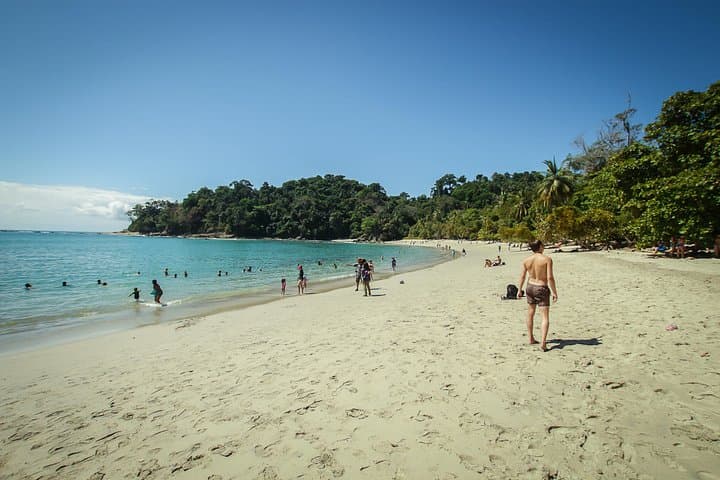
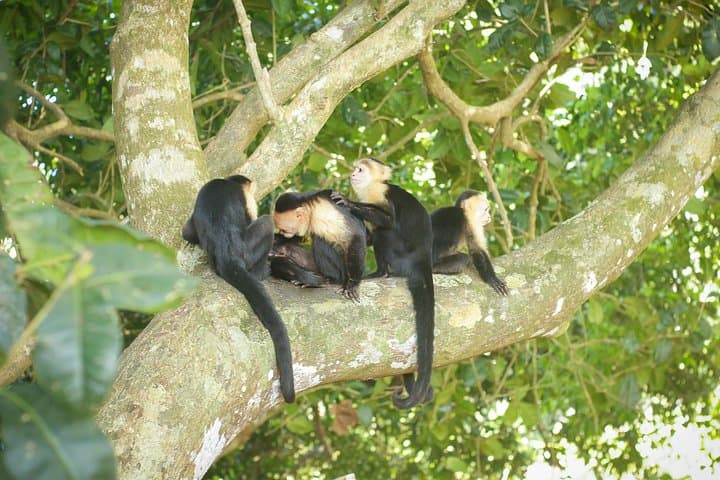
A humid breeze from the Pacific tugs at your shirt as the trail guide points toward a flash of white-faced capuchins in the canopy. The air smells of salt and damp leaf mold; the narrow path winds between boulders and low ridgelines, then opens onto warm sand and surf. This is Manuel Antonio National Park—compact, loud with bird calls, and deceptively rich.
Verified experiences and guided adventures in the surrounding area.
Operated by Epic Adventures Costa Rica · Quepos, Puntarenas
A humid breeze from the Pacific tugs at your shirt as the trail guide points toward a flash of white-faced capuchins in the canopy. The air smells of salt and damp leaf mold; the narrow path winds between boulders and low ridgelines, then opens onto warm sand and surf. This is Manuel Antonio National Park—compact, loud with bird calls, and deceptively rich.
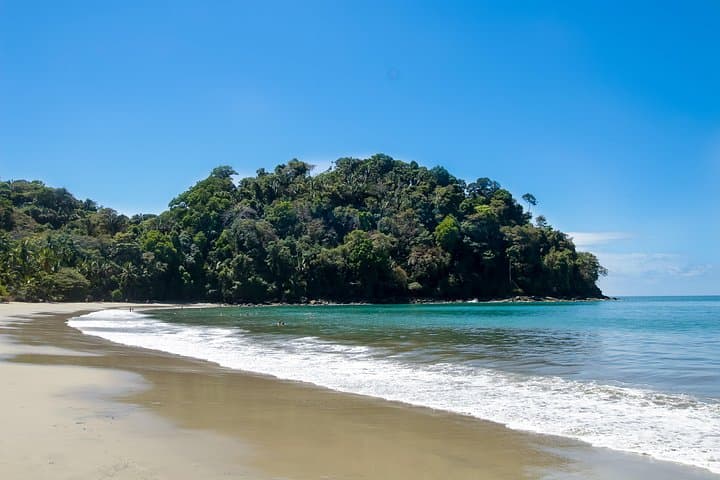
Established in the early 1970s, the park protects a slice of Pacific coastal rainforest and four public beaches where volcanic rock meets sandy coves. Geology here is coastal bedrock and sedimentary outcrops shaped by tides; cultural ties run through nearby Quepos, a fishing town that supplies fresh seafood to the region and supports local ecotourism.
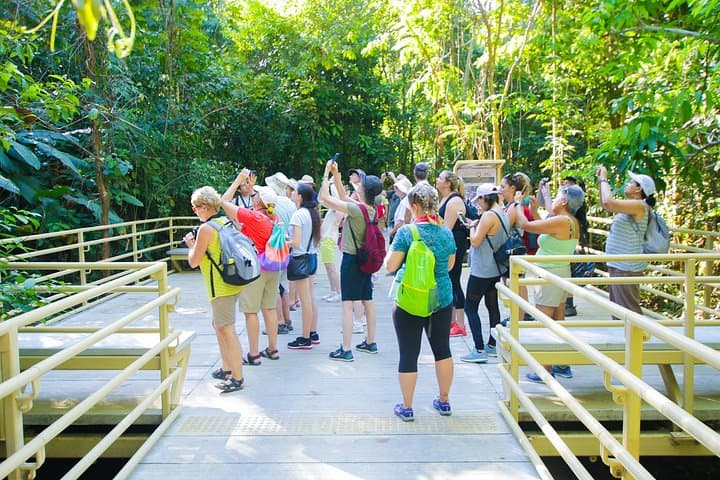
On this guided tour you’ll follow well-worn trails, scan tide pools and beaches, and use spotting scopes for distant sloths and toucans. Guides emphasize responsible viewing—stay on trails, don’t feed wildlife—and many tours include short local transfers from Quepos and in-park fruit snacks.
Practicalities: plan on about 3–4 hours total. Trails are mostly easy with short, uneven sections and a few stairs; expect low elevation changes and sandy beach walking. Bring reef-safe sunscreen, insect repellent, binoculars, and water; waterproof footwear or sturdy sandals are useful for tide-line sections. Mornings or late afternoons are best for wildlife activity and softer light for photography. The park regulates entry numbers—book in advance and arrive early to beat crowds and heat.
The tour runs about 3–4 hours with easy walking on mostly groomed trails and short beach sections; total distance varies by stops but is generally manageable for most visitors.
Sightings are common—three-toed sloths and white-faced capuchins are frequent—but wildlife cannot be guaranteed; guides use local knowledge to maximize viewing opportunities.
Many tour operators and park areas have wheelchair-accessible paths and transfers, but some trails and beach access include steps or sand that can be challenging—confirm specifics with your operator ahead of time.
There are basic restroom facilities and a few shaded picnic areas; local vendors operate near park entrances and Quepos provides restaurants if you need a fuller meal after the tour.
Epic Adventures Costa Rica operates guided outdoor trips and adventures with an emphasis on safety, stewardship, and memorable experiences.
A humid breeze from the Pacific tugs at your shirt as the trail guide points toward a flash of white-faced capuchins in the canopy. The air smells of salt and damp leaf mold; the narrow path winds between boulders and low ridgelines, then opens onto warm sand and surf. This is Manuel Antonio National Park—compact, loud with bird calls, and deceptively rich.
A humid breeze from the Pacific tugs at your shirt as the trail guide points toward a flash of white-faced capuchins in the canopy. The air smells of salt and damp leaf mold; the narrow path winds between boulders and low ridgelines, then opens onto warm sand and surf. This is Manuel Antonio National Park—compact, loud with bird calls, and deceptively rich.
Established in the early 1970s, the park protects a slice of Pacific coastal rainforest and four public beaches where volcanic rock meets sandy coves. Geology here is coastal bedrock and sedimentary outcrops shaped by tides; cultural ties run through nearby Quepos, a fishing town that supplies fresh seafood to the region and supports local ecotourism.
On this guided tour you’ll follow well-worn trails, scan tide pools and beaches, and use spotting scopes for distant sloths and toucans. Guides emphasize responsible viewing—stay on trails, don’t feed wildlife—and many tours include short local transfers from Quepos and in-park fruit snacks.
Practicalities: plan on about 3–4 hours total. Trails are mostly easy with short, uneven sections and a few stairs; expect low elevation changes and sandy beach walking. Bring reef-safe sunscreen, insect repellent, binoculars, and water; waterproof footwear or sturdy sandals are useful for tide-line sections. Mornings or late afternoons are best for wildlife activity and softer light for photography. The park regulates entry numbers—book in advance and arrive early to beat crowds and heat.