THE ADVENTURE COLLECTIVE® · Independent discovery and booking for outdoor travel

Explore Manuel Antonio and Quepos’s urban wildlife pockets on a private 2–3 hour tour. Guides use local knowledge to locate sloths, monkeys and toucans in parks, hotel gardens and mangroves — a practical alternative when national park entry is limited.
Explore Manuel Antonio and Quepos’s urban wildlife pockets on a private 2–3 hour tour. Guides use local knowledge to locate sloths, monkeys and toucans in parks, hotel gardens and mangroves — a practical alternative when national park entry is limited.
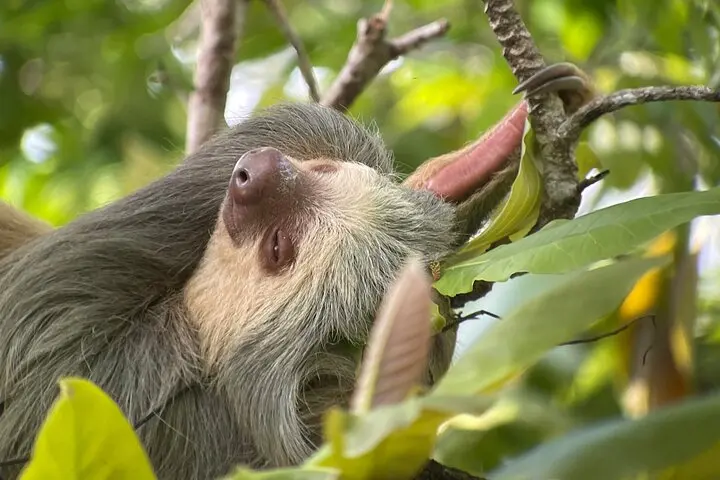
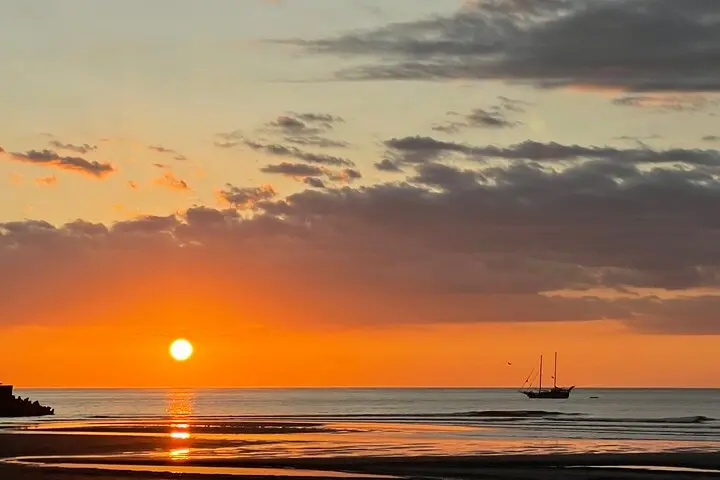
Start on Playa Espadilla Norte where the surf nudges the shoreline and mangroves hold still like watchful neighbors. Guides steer you along boardwalks, hotel gardens and roadside green pockets that function as informal reserves — places where sleepy sloths and curious capuchin monkeys make their living in the margins of town.
Verified experiences and guided adventures in the surrounding area.
Operated by Manuel's Tours, Costa Rica. · Quepos, Puntarenas
Start on Playa Espadilla Norte where the surf nudges the shoreline and mangroves hold still like watchful neighbors. Guides steer you along boardwalks, hotel gardens and roadside green pockets that function as informal reserves — places where sleepy sloths and curious capuchin monkeys make their living in the margins of town.
Manuel Antonio’s protected park (established 1972) sits nearby, but limited daily permits mean much wildlife viewing now happens outside formal boundaries. The coastline here is young volcanic rock overlain with tropical soil; tidal mangroves and secondary forest create compact corridors that birds and mammals use to move between fragments. Local culture is a mix of fishing village roots and eco-tourism, visible at the farmers’ market where seasonal fruits and local knowledge meet.
On a 2–3 hour private tour you’ll move by vehicle and on short walks, stopping where guides have recent sightings. Expect focused observation — binoculars and spotting scopes pull toucans’ color into view and reveal sloths tucked in canopy shadows. The tour runs in the cooler hours when animals are most active, and guides tailor stops to sightings and guest requests.
Practical sense: wear closed-toe walking shoes, sun protection and bring water; insect spray is useful near mangroves. Respect distance guidelines — never feed wildlife or attempt to touch animals. With a bilingual certified guide, this is an accessible, low-effort way to see Costa Rica’s wildlife without park entry, and a good complement to a longer visit.
No — this tour focuses on urban wildlife hotspots (beaches, gardens, mangroves and roadsides) outside the Manuel Antonio National Park, so park entry is not required.
Yes — the route includes short, flat walks and vehicle transfers; the provider lists stroller and wheelchair accessibility, but tell them your needs at booking.
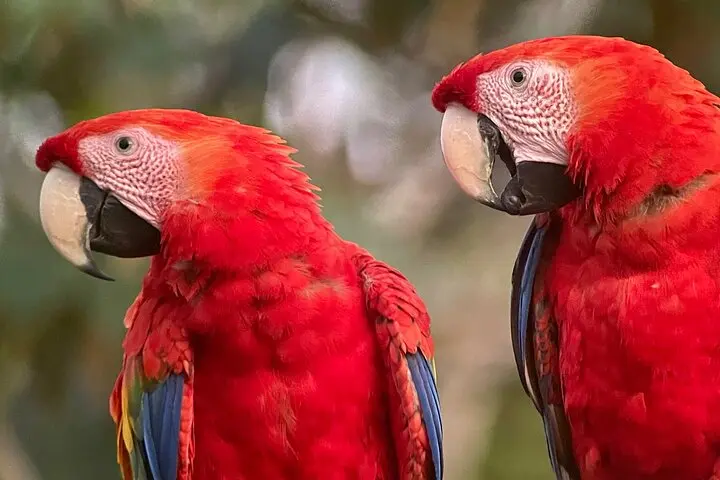
Common sightings include white-faced capuchins, sloths, toucans, parrots and shorebirds; crocodiles are occasionally seen near mangrove edges — sightings are never guaranteed.
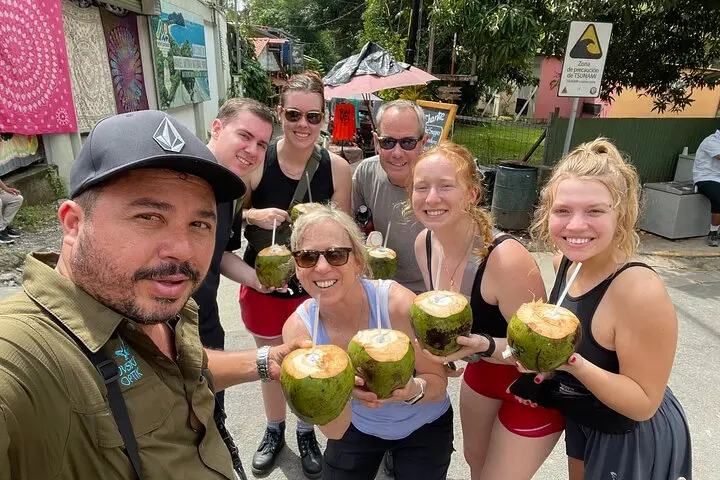
Yes — certified bilingual guides lead the tour and often capture HD photos and video with spotting scopes that they share with guests.
Manuel's Tours, Costa Rica. operates guided outdoor trips and adventures with an emphasis on safety, stewardship, and memorable experiences.
Start on Playa Espadilla Norte where the surf nudges the shoreline and mangroves hold still like watchful neighbors. Guides steer you along boardwalks, hotel gardens and roadside green pockets that function as informal reserves — places where sleepy sloths and curious capuchin monkeys make their living in the margins of town.
Start on Playa Espadilla Norte where the surf nudges the shoreline and mangroves hold still like watchful neighbors. Guides steer you along boardwalks, hotel gardens and roadside green pockets that function as informal reserves — places where sleepy sloths and curious capuchin monkeys make their living in the margins of town.
Manuel Antonio’s protected park (established 1972) sits nearby, but limited daily permits mean much wildlife viewing now happens outside formal boundaries. The coastline here is young volcanic rock overlain with tropical soil; tidal mangroves and secondary forest create compact corridors that birds and mammals use to move between fragments. Local culture is a mix of fishing village roots and eco-tourism, visible at the farmers’ market where seasonal fruits and local knowledge meet.
On a 2–3 hour private tour you’ll move by vehicle and on short walks, stopping where guides have recent sightings. Expect focused observation — binoculars and spotting scopes pull toucans’ color into view and reveal sloths tucked in canopy shadows. The tour runs in the cooler hours when animals are most active, and guides tailor stops to sightings and guest requests.
Practical sense: wear closed-toe walking shoes, sun protection and bring water; insect spray is useful near mangroves. Respect distance guidelines — never feed wildlife or attempt to touch animals. With a bilingual certified guide, this is an accessible, low-effort way to see Costa Rica’s wildlife without park entry, and a good complement to a longer visit.