THE ADVENTURE COLLECTIVE® · Independent discovery and booking for outdoor travel

Paddle the sheltered curve of Biesanz Bay, snorkel over nearshore coral gardens, and watch frigatebirds wheel above — a compact, accessible marine outing near Manuel Antonio. This half-day tour pairs guided kayaking with snorkeling and a shoreline lunch.
Paddle the sheltered curve of Biesanz Bay, snorkel over nearshore coral gardens, and watch frigatebirds wheel above — a compact, accessible marine outing near Manuel Antonio. This half-day tour pairs guided kayaking with snorkeling and a shoreline lunch.
Paddlers launch from a quiet crescent of sand as early light slants across Biesanz Bay, the ocean nudging kayaks toward rocky reefs where fish flash like fallen coins. The paddle out is intimate — cliffs hum with seabirds, and frigatebirds wheel above like punctuation marks. At shallow reefs, masks break the surface and a different world waits: parrotfish grazing on coral gardens, small rays ghosting the sand, and the occasional curious snorkeler-side eye from a reef fish.
Verified experiences and guided adventures in the surrounding area.
Operated by Costa Rica Groups Travel Company · Quepos, Puntarenas
Paddlers launch from a quiet crescent of sand as early light slants across Biesanz Bay, the ocean nudging kayaks toward rocky reefs where fish flash like fallen coins. The paddle out is intimate — cliffs hum with seabirds, and frigatebirds wheel above like punctuation marks. At shallow reefs, masks break the surface and a different world waits: parrotfish grazing on coral gardens, small rays ghosting the sand, and the occasional curious snorkeler-side eye from a reef fish.
Manuel Antonio sits on Costa Rica’s central Pacific coast inside a landscape protected since the 1970s. The shoreline here is steeped in volcanic geology — black rock ledges, pocket beaches, and channels that concentrate marine life — and local guides fold in cultural notes about coastal fishing traditions and the town of Quepos’ role as a gateway for sportfishing and eco-tourism.
Practically, this is a half-day activity (about four hours) combining 1–2 hours of paddling with time snorkeling and a shore lunch. Guides supply kayaks, snorkel gear, and round-trip pickup by air-conditioned minivan. Expect warm water (roughly 26–29°C/79–84°F), variable visibility depending on tide and season, and easy-to-moderate paddling suitable for beginners with a short skills briefing.
Bring reef-safe sunscreen, a water shoe, and a light layer for wind after paddling. Choose morning departures for calmer seas and clearer snorkeling; follow guide instructions closely around reefs and wildlife — the ocean here is lively, always pushing visitors to pay attention and move respectfully.
No — guides provide a brief skills and safety session; routes are chosen for beginner-friendly conditions but you should be comfortable paddling for short periods.
Yes — expect seabirds like frigates and boobies, reef fish, and sometimes marine mammals offshore; wildlife sightings aren’t guaranteed.
Yes — guides supply masks, snorkels, and fins; personal fit is recommended for comfort and hygiene.
Most bookings include hotel pickup and drop-off by air‑conditioned minivan and a shore lunch as listed in the tour inclusions.
Costa Rica Groups Travel Company operates guided outdoor trips and adventures with an emphasis on safety, stewardship, and memorable experiences.
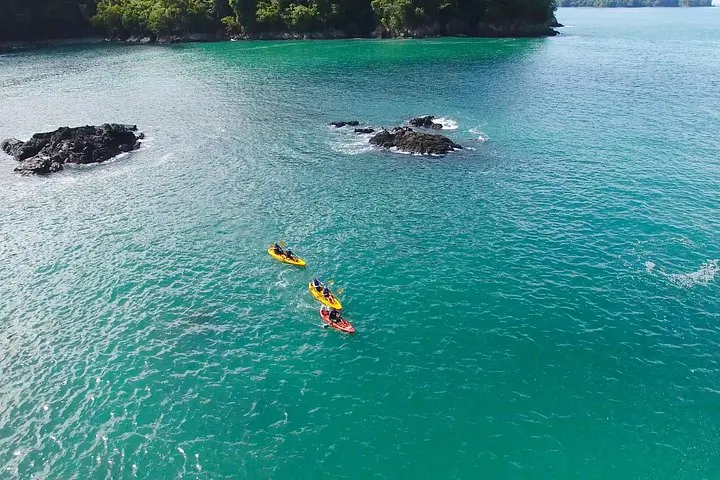
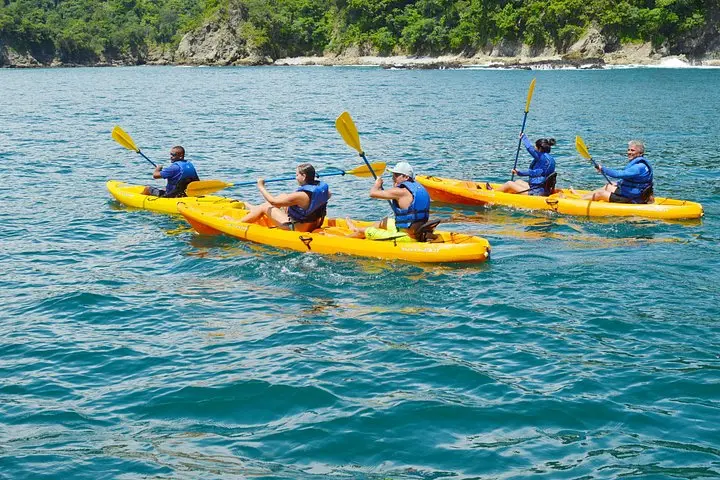
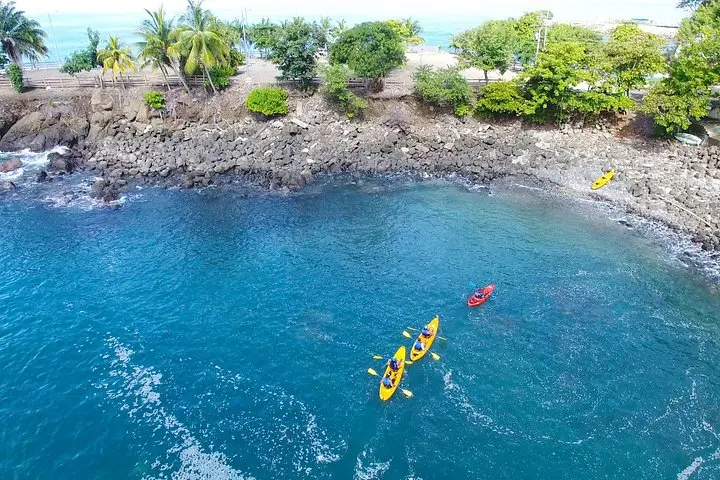
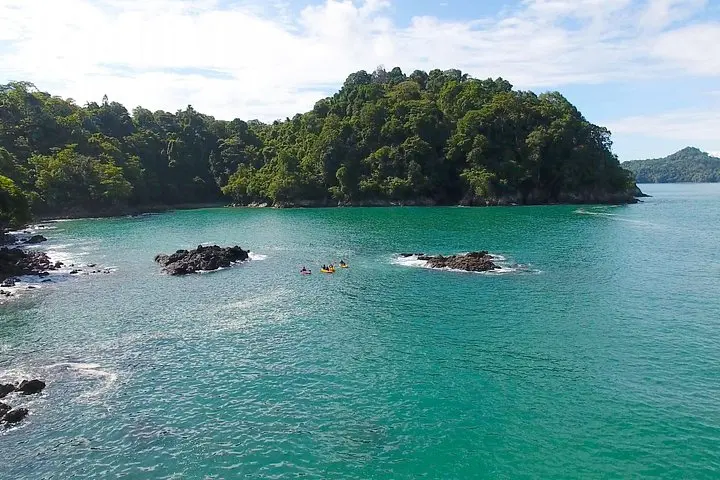
Paddlers launch from a quiet crescent of sand as early light slants across Biesanz Bay, the ocean nudging kayaks toward rocky reefs where fish flash like fallen coins. The paddle out is intimate — cliffs hum with seabirds, and frigatebirds wheel above like punctuation marks. At shallow reefs, masks break the surface and a different world waits: parrotfish grazing on coral gardens, small rays ghosting the sand, and the occasional curious snorkeler-side eye from a reef fish.
Paddlers launch from a quiet crescent of sand as early light slants across Biesanz Bay, the ocean nudging kayaks toward rocky reefs where fish flash like fallen coins. The paddle out is intimate — cliffs hum with seabirds, and frigatebirds wheel above like punctuation marks. At shallow reefs, masks break the surface and a different world waits: parrotfish grazing on coral gardens, small rays ghosting the sand, and the occasional curious snorkeler-side eye from a reef fish.
Manuel Antonio sits on Costa Rica’s central Pacific coast inside a landscape protected since the 1970s. The shoreline here is steeped in volcanic geology — black rock ledges, pocket beaches, and channels that concentrate marine life — and local guides fold in cultural notes about coastal fishing traditions and the town of Quepos’ role as a gateway for sportfishing and eco-tourism.
Practically, this is a half-day activity (about four hours) combining 1–2 hours of paddling with time snorkeling and a shore lunch. Guides supply kayaks, snorkel gear, and round-trip pickup by air-conditioned minivan. Expect warm water (roughly 26–29°C/79–84°F), variable visibility depending on tide and season, and easy-to-moderate paddling suitable for beginners with a short skills briefing.
Bring reef-safe sunscreen, a water shoe, and a light layer for wind after paddling. Choose morning departures for calmer seas and clearer snorkeling; follow guide instructions closely around reefs and wildlife — the ocean here is lively, always pushing visitors to pay attention and move respectfully.