THE ADVENTURE COLLECTIVE® · Independent discovery and booking for outdoor travel

See Manuel Antonio’s coastline from sea and trail in one long, packed day. Sail for wildlife and snorkeling, then walk guided trails through rainforest to a picture-perfect beach.
See Manuel Antonio’s coastline from sea and trail in one long, packed day. Sail for wildlife and snorkeling, then walk guided trails through rainforest to a picture-perfect beach.
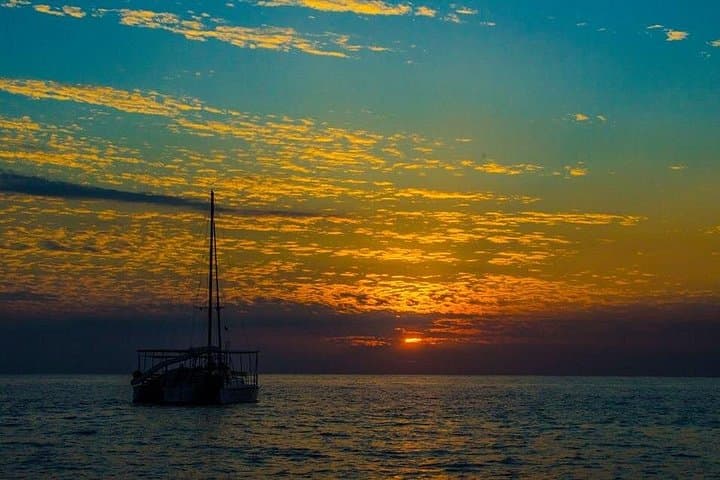
The bow cuts a bright line through Gulf of Nicoya blue as the catamaran slips past jagged cliffs; ocean spray dares you to look for dorsal fins. Later, the rainforest swallows the trail with humid air and swinging monkeys—two contrasting halves of a single Costa Rican day.
Verified experiences and guided adventures in the surrounding area.
Operated by Vlintrip Costa Rica · Quepos, Puntarenas
The bow cuts a bright line through Gulf of Nicoya blue as the catamaran slips past jagged cliffs; ocean spray dares you to look for dorsal fins. Later, the rainforest swallows the trail with humid air and swinging monkeys—two contrasting halves of a single Costa Rican day.
Manuel Antonio sits on a narrow coastal shelf where uplifted volcanic rock meets the Pacific, creating dramatic headlands and sheltered bays. The park’s beaches formed from eroded basalt and coral fragments; the forest that climbs from the shore is part of a biodiverse Pacific lowland mosaic shaped by centuries of indigenous use and 20th-century conservation efforts.
Local culture blends Afro-Caribbean, indigenous and mestizo influences—fishermen who once navigated these coves now guide ecotourists, and beachfront sodas still serve recipes passed through families. Guides on this tour point out how geology creates microhabitats where sloths lounge and iguanas warm on sun-baked rocks.
Practicalities are straightforward: departures from San José include hotel pickup; expect a long day (about 12 hours) with sections on a catamaran, snorkeling over reefs, and a guided 2–3 hour walk on maintained park trails. Bring reef-safe sunscreen, a light rain layer, and a camera with a detachable strap; water is supplied onboard and lunch is included. If you’re prone to seasickness, take precautions before sailing.
This combo delivers contrasting rhythms—open ocean’s slow horizon and the forest’s sudden, close-in life—making a single, efficient day that introduces Costa Rica’s coastal biodiversity without sacrificing comfort.
The tour is approximately 12 hours door‑to‑door, including transfers, a catamaran segment with snorkeling, and a 2–3 hour guided visit to Manuel Antonio National Park.
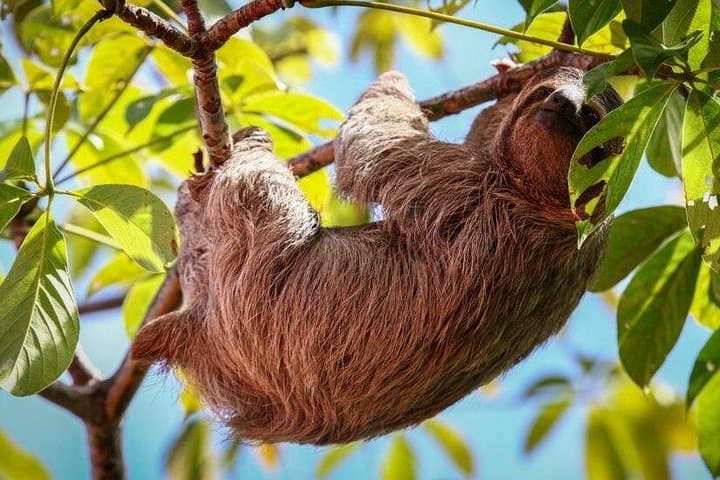
Yes—dolphins and sea turtles are commonly spotted from the boat; in the park, guides frequently point out white‑faced monkeys, sloths, iguanas and diverse birdlife.
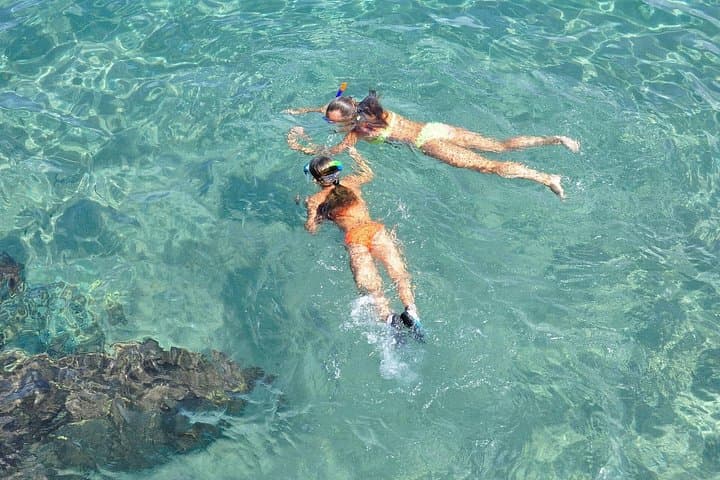
Snorkeling gear is provided on the catamaran, but you may prefer to bring your own mask for fit; wear reef‑safe sunscreen and avoid touching coral.
The tour welcomes most ages; shorter, flat sections of park trail are accessible, but some beach and trail areas have roots, steps or soft sand—check operator accessibility notes and request infant seats if needed.
Vlintrip Costa Rica operates guided outdoor trips and adventures with an emphasis on safety, stewardship, and memorable experiences.

The bow cuts a bright line through Gulf of Nicoya blue as the catamaran slips past jagged cliffs; ocean spray dares you to look for dorsal fins. Later, the rainforest swallows the trail with humid air and swinging monkeys—two contrasting halves of a single Costa Rican day.
The bow cuts a bright line through Gulf of Nicoya blue as the catamaran slips past jagged cliffs; ocean spray dares you to look for dorsal fins. Later, the rainforest swallows the trail with humid air and swinging monkeys—two contrasting halves of a single Costa Rican day.
Manuel Antonio sits on a narrow coastal shelf where uplifted volcanic rock meets the Pacific, creating dramatic headlands and sheltered bays. The park’s beaches formed from eroded basalt and coral fragments; the forest that climbs from the shore is part of a biodiverse Pacific lowland mosaic shaped by centuries of indigenous use and 20th-century conservation efforts.
Local culture blends Afro-Caribbean, indigenous and mestizo influences—fishermen who once navigated these coves now guide ecotourists, and beachfront sodas still serve recipes passed through families. Guides on this tour point out how geology creates microhabitats where sloths lounge and iguanas warm on sun-baked rocks.
Practicalities are straightforward: departures from San José include hotel pickup; expect a long day (about 12 hours) with sections on a catamaran, snorkeling over reefs, and a guided 2–3 hour walk on maintained park trails. Bring reef-safe sunscreen, a light rain layer, and a camera with a detachable strap; water is supplied onboard and lunch is included. If you’re prone to seasickness, take precautions before sailing.
This combo delivers contrasting rhythms—open ocean’s slow horizon and the forest’s sudden, close-in life—making a single, efficient day that introduces Costa Rica’s coastal biodiversity without sacrificing comfort.