THE ADVENTURE COLLECTIVE® · Independent discovery and booking for outdoor travel

A relaxed, air-conditioned one-way transfer from Manuel Antonio or Quepos to San José’s SJO airport. Expect scenic coastal views, a Tarcoles crocodile lookout stop, and bilingual drivers handling luggage and accessibility needs.
A relaxed, air-conditioned one-way transfer from Manuel Antonio or Quepos to San José’s SJO airport. Expect scenic coastal views, a Tarcoles crocodile lookout stop, and bilingual drivers handling luggage and accessibility needs.
The morning light slides along the coastal highway as your driver eases an air-conditioned minivan out of Manuel Antonio, surf-salted breeze visible at road-side palms. Windows frame the Pacific on one side and low rainforest ridges on the other; small towns, fruit stands, and the Tarcoles River appear in quick succession. The ride is less a hurried shuttle and more a measured transfer that allows for a view stop and a photo break.
Verified experiences and guided adventures in the surrounding area.
Operated by GTC Costa Rica · Quepos, Puntarenas
The morning light slides along the coastal highway as your driver eases an air-conditioned minivan out of Manuel Antonio, surf-salted breeze visible at road-side palms. Windows frame the Pacific on one side and low rainforest ridges on the other; small towns, fruit stands, and the Tarcoles River appear in quick succession. The ride is less a hurried shuttle and more a measured transfer that allows for a view stop and a photo break.
This stretch of Puntarenas province carries layers of history: Quepos grew from a fishermen’s harbor into a tourist gateway, and nearby Carara and Manuel Antonio parks protect the Pacific lowland rainforest carved from volcanic soils and riverine sediment. The route crosses ecological thresholds where scarlet macaws and crocodiles find habitat—Tarcoles has become a reliable vantage for river crocodiles since early road development opened the estuary.
Practically, expect 3–4 hours of travel to Juan Santamaría (SJO), variable with midday traffic around Garabito and San José’s ring roads. Drivers are often bilingual and many operators include bottled water, disinfected vehicles, and a scheduled 10–20 minute stop at the Tarcoles lookout for crocodile viewing. Luggage is handled by the driver; wheelchair-accessible vehicles and child seats are commonly available on request.
Plan around your flight time—leave buffer for traffic—and bring sunscreen, a light layer for air conditioning, and motion-sickness remedies if you are prone. For travelers who want a relaxed end to a Pacific stay, this transfer balances comfort, local insight, and a last glimpse of Costa Rica’s coastal lowlands.
Typical drive time is 3 to 4 hours depending on traffic and any requested stops; morning and late-afternoon traffic can add time.
Yes—drivers commonly accommodate short stops for restrooms, food, or the Tarcoles crocodile viewpoint; longer unscheduled stops may affect travel time.
Yes; the operator lists wheelchair-accessible transport and accessible surfaces—confirm your needs when booking so the right vehicle is assigned.
The minivan fits standard checked suitcases and carry-ons for up to five passengers; inform the operator about oversized items ahead of time.
GTC Costa Rica operates guided outdoor trips and adventures with an emphasis on safety, stewardship, and memorable experiences.
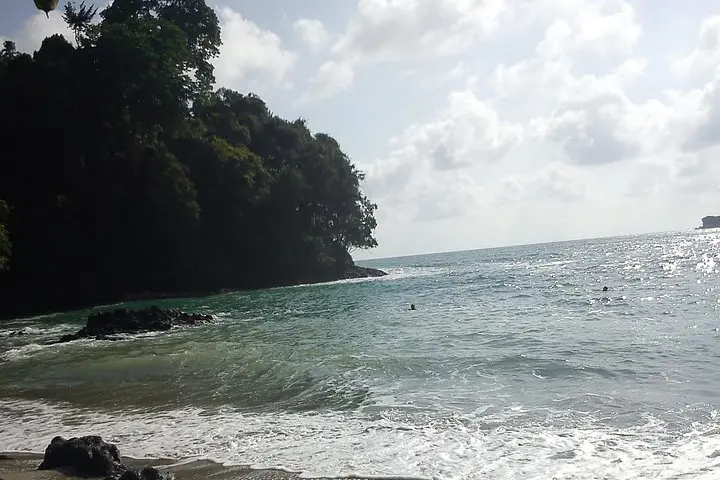
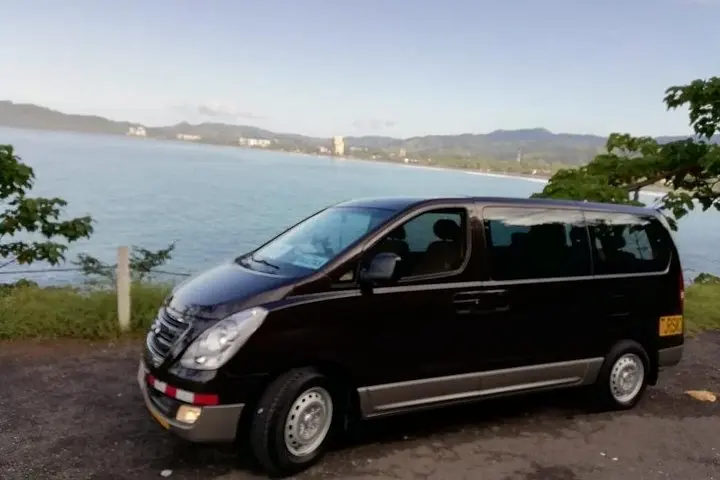
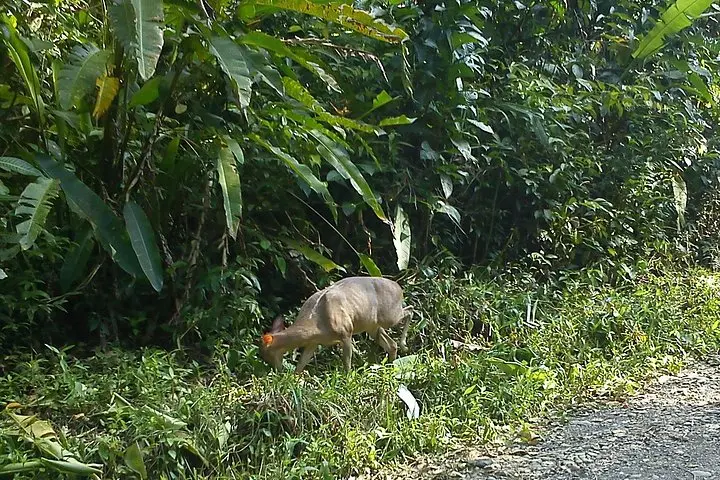

The morning light slides along the coastal highway as your driver eases an air-conditioned minivan out of Manuel Antonio, surf-salted breeze visible at road-side palms. Windows frame the Pacific on one side and low rainforest ridges on the other; small towns, fruit stands, and the Tarcoles River appear in quick succession. The ride is less a hurried shuttle and more a measured transfer that allows for a view stop and a photo break.
The morning light slides along the coastal highway as your driver eases an air-conditioned minivan out of Manuel Antonio, surf-salted breeze visible at road-side palms. Windows frame the Pacific on one side and low rainforest ridges on the other; small towns, fruit stands, and the Tarcoles River appear in quick succession. The ride is less a hurried shuttle and more a measured transfer that allows for a view stop and a photo break.
This stretch of Puntarenas province carries layers of history: Quepos grew from a fishermen’s harbor into a tourist gateway, and nearby Carara and Manuel Antonio parks protect the Pacific lowland rainforest carved from volcanic soils and riverine sediment. The route crosses ecological thresholds where scarlet macaws and crocodiles find habitat—Tarcoles has become a reliable vantage for river crocodiles since early road development opened the estuary.
Practically, expect 3–4 hours of travel to Juan Santamaría (SJO), variable with midday traffic around Garabito and San José’s ring roads. Drivers are often bilingual and many operators include bottled water, disinfected vehicles, and a scheduled 10–20 minute stop at the Tarcoles lookout for crocodile viewing. Luggage is handled by the driver; wheelchair-accessible vehicles and child seats are commonly available on request.
Plan around your flight time—leave buffer for traffic—and bring sunscreen, a light layer for air conditioning, and motion-sickness remedies if you are prone. For travelers who want a relaxed end to a Pacific stay, this transfer balances comfort, local insight, and a last glimpse of Costa Rica’s coastal lowlands.