THE ADVENTURE COLLECTIVE® · Independent discovery and booking for outdoor travel

A three-hour guided walk through Manuel Antonio combines close wildlife viewing with short coastal beach time. Learn local natural history and practical tips for seeing sloths, monkeys and shorebirds on maintained trails.
A three-hour guided walk through Manuel Antonio combines close wildlife viewing with short coastal beach time. Learn local natural history and practical tips for seeing sloths, monkeys and shorebirds on maintained trails.
You start on a shaded path where humidity clings to your shirt and the Pacific roars just beyond the treeline. The guide stops—points up—and a sloth, slow as a thought, drifts through the canopy; a troupe of white-faced capuchins answers with rustling, then vanishes. In three hours you’ll move between tight forest trails and sunlit beach, the trail swinging between leaf litter, exposed roots and shady boardwalks.
Verified experiences and guided adventures in the surrounding area.
Operated by Efrain's Nature Tours · Quepos, Puntarenas
You start on a shaded path where humidity clings to your shirt and the Pacific roars just beyond the treeline. The guide stops—points up—and a sloth, slow as a thought, drifts through the canopy; a troupe of white-faced capuchins answers with rustling, then vanishes. In three hours you’ll move between tight forest trails and sunlit beach, the trail swinging between leaf litter, exposed roots and shady boardwalks.
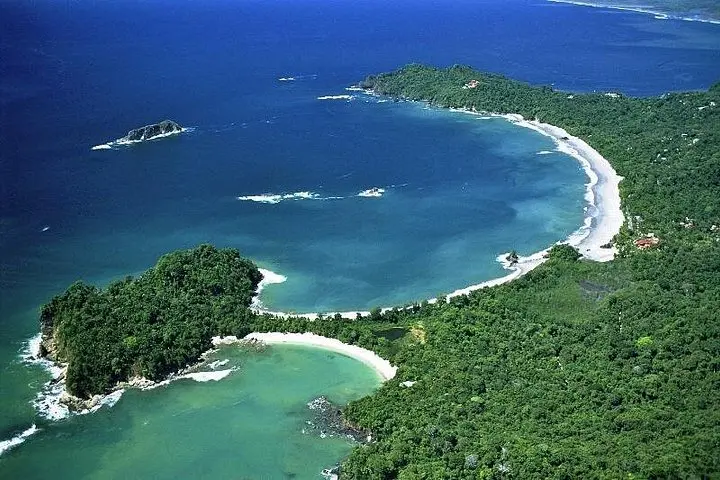
Manuel Antonio was established in 1972 to protect a slice of Pacific lowland rainforest and coastal reef. Geologically the park sits on younger volcanic soils that feed lush growth and steep, rocky headlands. Local culture blends Quepos fishing heritage and eco-tourism; guides often share stories of early conservation efforts and the park’s role in Costa Rica’s national biodiversity network.
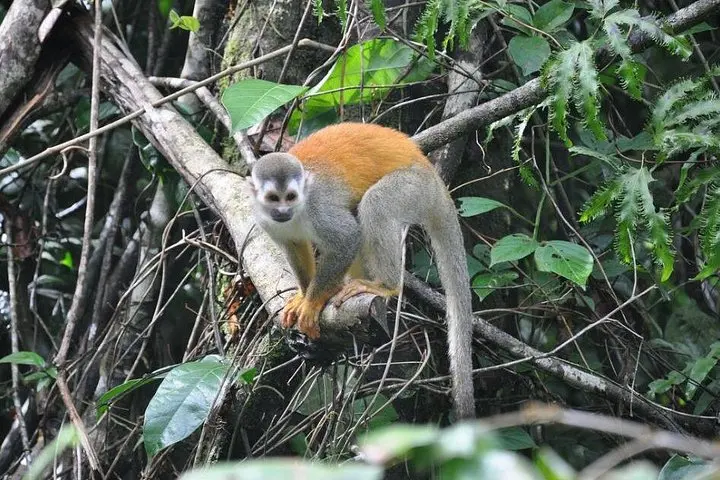
Expect close wildlife encounters—monkeys, sloths, agoutis and dozens of coastal and forest birds—best seen in the morning when animals are active. The route is short but uneven: packed dirt, roots and occasional stone steps, with brief beach sections where tide and sun matter.
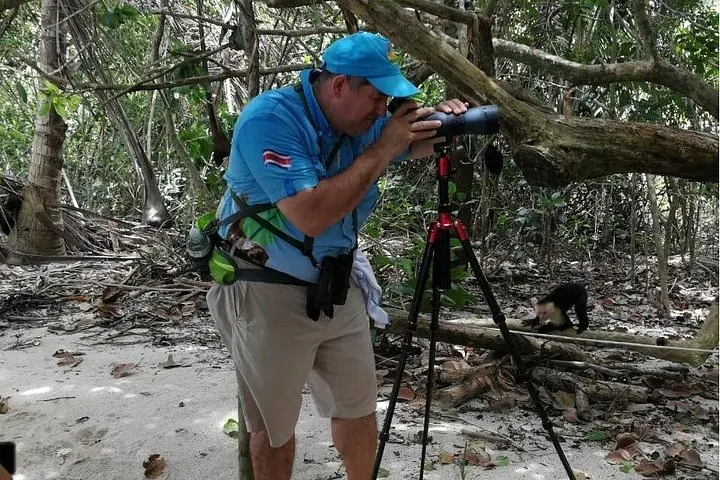
Practical tips: arrive early to avoid heat and crowds, bring a small daypack with 1–2 liters of water, reef-safe sunscreen and insect repellent, and wear sturdy closed-toe shoes with good grip. Binoculars and a telephoto lens pay off; the tour supplies a telescope for distant birds.
Because this park receives heavy foot traffic, follow your guide on marked trails, respect wildlife viewing distances, and carry out trash. With basic preparation, a guided walk here is an efficient, intimate way to see Costa Rica’s coastal rainforest in one compact visit.
The standard tour runs about three hours, including a guided forest walk and time on the beach.
Admission to the park is not included; visitors must pay the park entrance fee at the gate unless otherwise stated by the operator.
The tour is rated easy and accessible in sections, but some trails have roots and steps—strollers may be difficult off the main boardwalks.
Yes—the tour typically ends at the park beaches and visitors may remain longer; ask about scheduled return transport from the operator.
Efrain's Nature Tours operates guided outdoor trips and adventures with an emphasis on safety, stewardship, and memorable experiences.

You start on a shaded path where humidity clings to your shirt and the Pacific roars just beyond the treeline. The guide stops—points up—and a sloth, slow as a thought, drifts through the canopy; a troupe of white-faced capuchins answers with rustling, then vanishes. In three hours you’ll move between tight forest trails and sunlit beach, the trail swinging between leaf litter, exposed roots and shady boardwalks.
You start on a shaded path where humidity clings to your shirt and the Pacific roars just beyond the treeline. The guide stops—points up—and a sloth, slow as a thought, drifts through the canopy; a troupe of white-faced capuchins answers with rustling, then vanishes. In three hours you’ll move between tight forest trails and sunlit beach, the trail swinging between leaf litter, exposed roots and shady boardwalks.
Manuel Antonio was established in 1972 to protect a slice of Pacific lowland rainforest and coastal reef. Geologically the park sits on younger volcanic soils that feed lush growth and steep, rocky headlands. Local culture blends Quepos fishing heritage and eco-tourism; guides often share stories of early conservation efforts and the park’s role in Costa Rica’s national biodiversity network.
Expect close wildlife encounters—monkeys, sloths, agoutis and dozens of coastal and forest birds—best seen in the morning when animals are active. The route is short but uneven: packed dirt, roots and occasional stone steps, with brief beach sections where tide and sun matter.
Practical tips: arrive early to avoid heat and crowds, bring a small daypack with 1–2 liters of water, reef-safe sunscreen and insect repellent, and wear sturdy closed-toe shoes with good grip. Binoculars and a telephoto lens pay off; the tour supplies a telescope for distant birds.
Because this park receives heavy foot traffic, follow your guide on marked trails, respect wildlife viewing distances, and carry out trash. With basic preparation, a guided walk here is an efficient, intimate way to see Costa Rica’s coastal rainforest in one compact visit.