THE ADVENTURE COLLECTIVE® · Independent discovery and booking for outdoor travel

Race through Gdańsk’s Old Town searching for historical characters and solving street-side challenges. This 2½-hour city game mixes local history, amber lore and teamwork along the Motława waterfront.
Race through Gdańsk’s Old Town searching for historical characters and solving street-side challenges. This 2½-hour city game mixes local history, amber lore and teamwork along the Motława waterfront.
You step off the pavement into a patchwork of cobbled lanes and the low, constant conversation of the Motława river. The city game begins with a deck of character cards and a map; within minutes teams split down narrow alleys toward the Bronze Neptune and the whispering facades of Long Market.
Verified experiences and guided adventures in the surrounding area.
Operated by Poland By Locals · Gdańsk, Pomeranian Voivodeship
You step off the pavement into a patchwork of cobbled lanes and the low, constant conversation of the Motława river. The city game begins with a deck of character cards and a map; within minutes teams split down narrow alleys toward the Bronze Neptune and the whispering facades of Long Market.
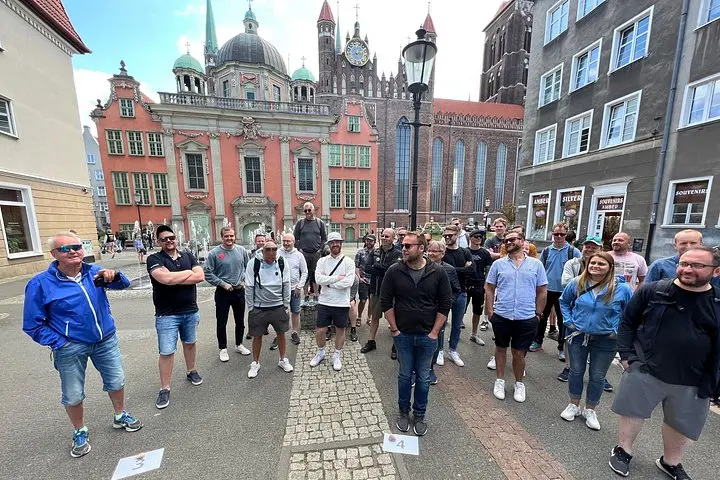
This is Gdańsk in miniature: Hanseatic brick walls that record centuries of trade, amber-strewn shopfronts recalling Baltic geology, and modernist memorials remembering Solidarity. The route threads past the medieval Żuraw crane and St. Mary’s Church—monuments that tell the story of maritime commerce, Teutonic occupation, wartime rebuilding and the shipyard strikes that shaped contemporary Poland.
The game’s mechanics are simple and social: find portraits, solve quick tasks and score points against the clock. Expect roughly 2–3 hours of walking, about 3 km across mostly flat, paved terrain; the pace is steady but friendly, with multiple short sprints between clues. Accessibility is a plus—routes are stroller- and wheelchair-friendly along main streets.
Practical tips: bring a charged phone (games run on mobile tickets and hosts use apps), wear grippy shoes for cobbles, and time the activity for morning or late afternoon to avoid peak sun and crowds. Hydrate and use a small daypack; if you want local flavor, plan a post-game stop at a riverside tavern to compare scores and sample smoked fish and local sweets.
A host introduces the game and handles scoring, but teams navigate independently through the course once the game starts.
Main streets and the designed route are wheelchair- and stroller-accessible, though some side alleys have uneven cobbles.
Games are typically conducted in Polish and often available in English on request—check booking options for language support.
Yes; the activity is family-friendly and suitable for a wide range of ages, with tasks adaptable to group makeup.
Poland By Locals operates guided outdoor trips and adventures with an emphasis on safety, stewardship, and memorable experiences.
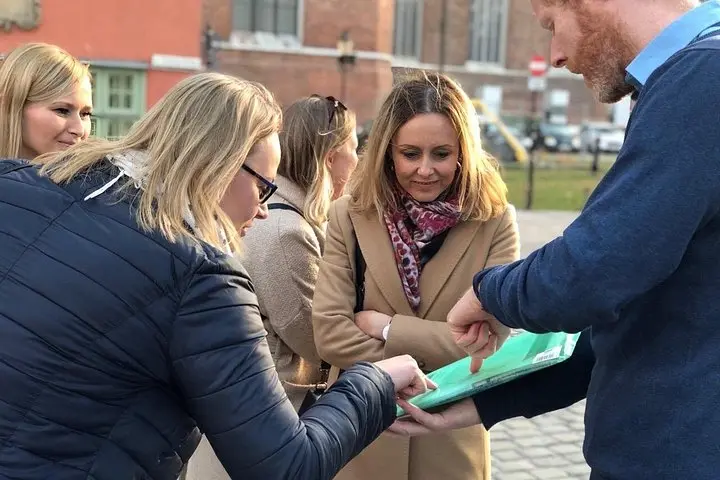
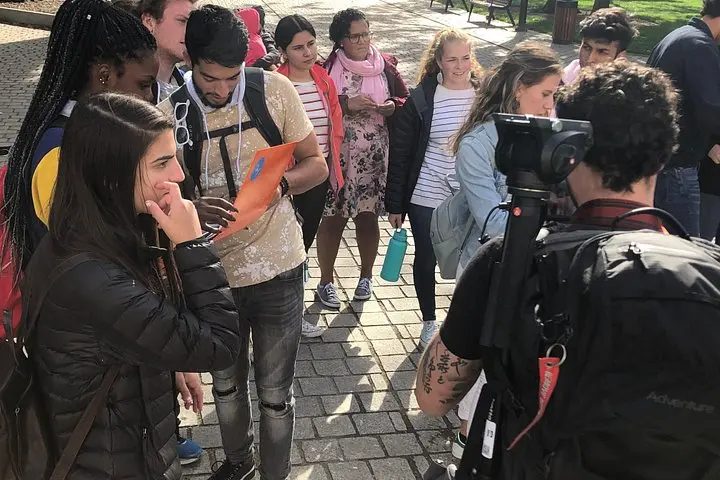
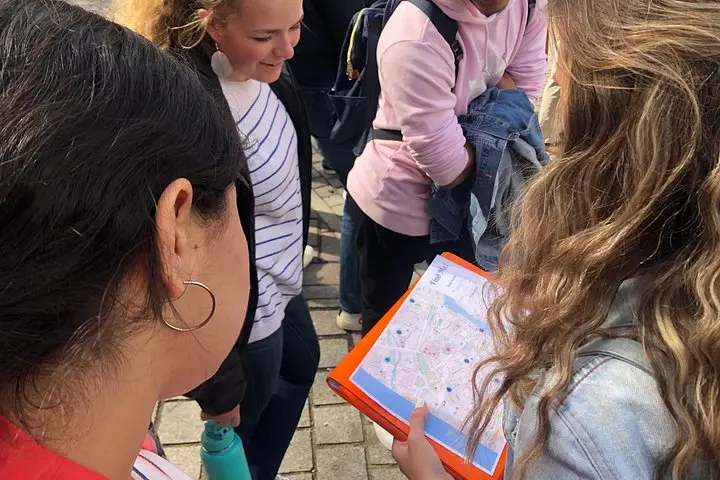
You step off the pavement into a patchwork of cobbled lanes and the low, constant conversation of the Motława river. The city game begins with a deck of character cards and a map; within minutes teams split down narrow alleys toward the Bronze Neptune and the whispering facades of Long Market.
You step off the pavement into a patchwork of cobbled lanes and the low, constant conversation of the Motława river. The city game begins with a deck of character cards and a map; within minutes teams split down narrow alleys toward the Bronze Neptune and the whispering facades of Long Market.
This is Gdańsk in miniature: Hanseatic brick walls that record centuries of trade, amber-strewn shopfronts recalling Baltic geology, and modernist memorials remembering Solidarity. The route threads past the medieval Żuraw crane and St. Mary’s Church—monuments that tell the story of maritime commerce, Teutonic occupation, wartime rebuilding and the shipyard strikes that shaped contemporary Poland.
The game’s mechanics are simple and social: find portraits, solve quick tasks and score points against the clock. Expect roughly 2–3 hours of walking, about 3 km across mostly flat, paved terrain; the pace is steady but friendly, with multiple short sprints between clues. Accessibility is a plus—routes are stroller- and wheelchair-friendly along main streets.
Practical tips: bring a charged phone (games run on mobile tickets and hosts use apps), wear grippy shoes for cobbles, and time the activity for morning or late afternoon to avoid peak sun and crowds. Hydrate and use a small daypack; if you want local flavor, plan a post-game stop at a riverside tavern to compare scores and sample smoked fish and local sweets.