THE ADVENTURE COLLECTIVE® · Independent discovery and booking for outdoor travel

Explore Loring McMillen’s 1933 map and Staten Island’s Revolutionary story in a free, close‑up lecture at Historic Richmond Town. Historian Janet Medoro connects archival evidence to the very buildings and lanes the map depicts.
Explore Loring McMillen’s 1933 map and Staten Island’s Revolutionary story in a free, close‑up lecture at Historic Richmond Town. Historian Janet Medoro connects archival evidence to the very buildings and lanes the map depicts.
Book with Historic Richmond Town
Verified experiences and guided adventures in the surrounding area.
Operated by Historic Richmond Town · Staten Island, New York
On Staten Island, Historic Richmond Town stages a focused, free lecture that reconnects present streets with Revolutionary‑era choices. Talks of the Town: McMillen, Maps and the American Revolution pairs local scholarship with the site’s material fabric; Janet Necker Medoro, a sixth‑generation Staten Islander, leads listeners through Loring McMillen’s 1933 "Map of Staten Island During the Revolution, 1775–1783," explaining the sources, people, and mapping decisions that shaped a contested island landscape.
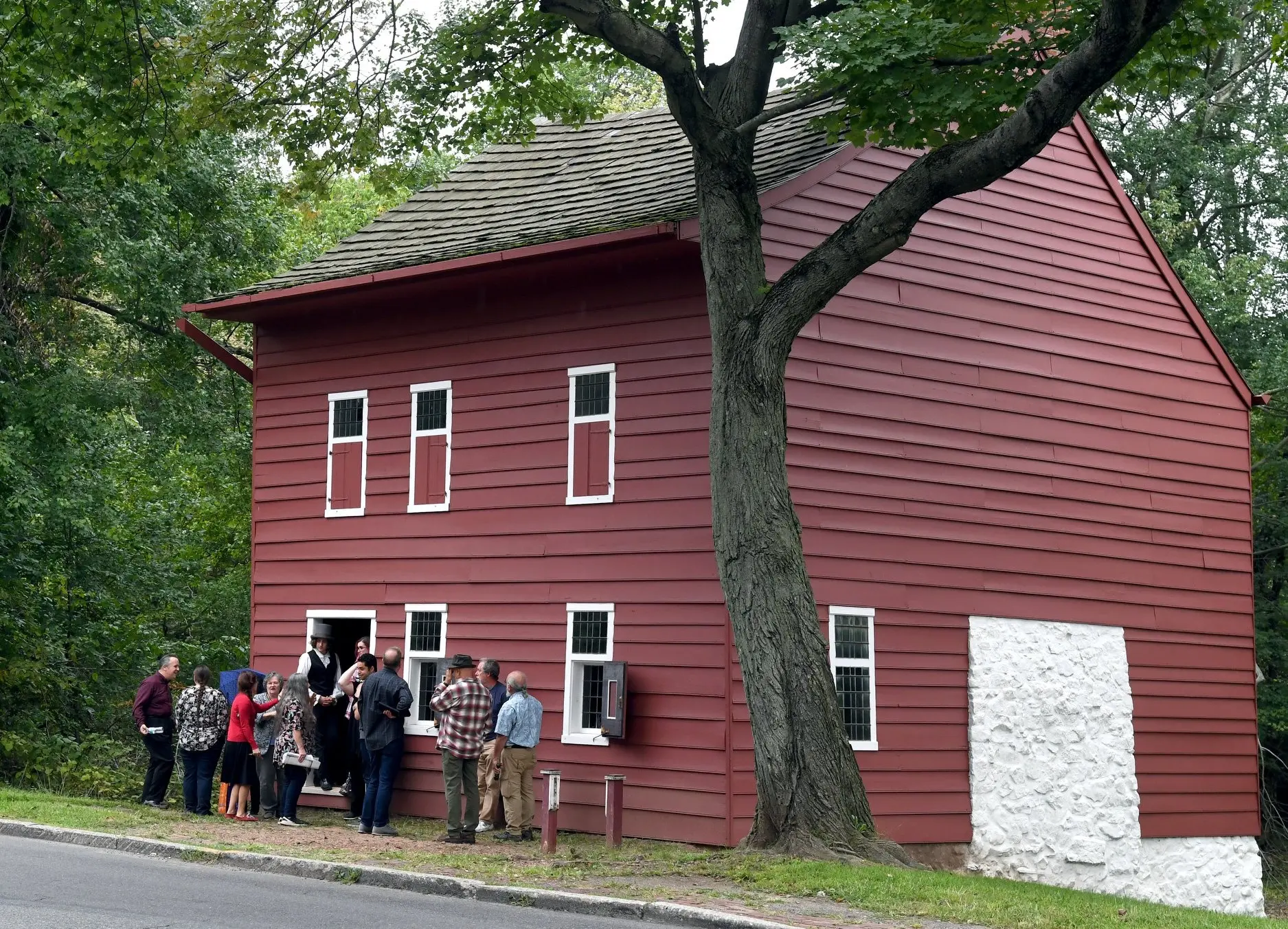
The setting matters. Historic Richmond Town preserves a cluster of restored 17th‑to‑19th‑century buildings, including the 3rd County Courthouse and the Museum and Visitor Center, where timber frames, clapboard facades, and period yards act as context for archival objects. Medoro brings selections from the McMillen archive to the foreground, showing how property lines, militia routes, and Loyalist settlements were recorded and repurposed in later memory. For visitors interested in cartography, local military history, or how communities narrate the past, the talk is a compact primer grounded in primary evidence.
What makes this program stand out is the living archive: the map is not displayed in isolation but interpreted in the place it references. The lecture supports follow‑up exploration of the historic houses and outdoor spaces, encouraging visitors to compare map lines with actual lanes and field patterns. Programs at Historic Richmond Town are offered free to the public and aim to make detailed local history accessible; because seating is limited, talks fill quickly and often prompt questions that continue in casual conversation on site.
Practical details are straightforward. The site includes both paved and unpaved pathways; while many buildings have wheelchair‑accessible entrances—such as the Museum and Visitor Center—access varies across structures and the site provides an accessibility phone contact for specifics. The program runs rain or shine, is free of charge, and has a final sale policy for tickets; commercial photography requires a permit and attendees should follow the site’s no‑pets and no‑smoking rules.
Plan to arrive early to secure a seat and to browse the visitor center’s exhibits and a small display of McMillen’s reproductions; there are docent‑led shows and seasonal events that expand on lecture topics. Because the program has limited seating, signups or reservations when available are recommended, and bring a notebook or camera for use while observing the site’s media release policy and archival handling rules.
Yes. Historic Richmond Town offers this program free to visitors, though seating is limited.
Reservations are recommended when available because events have limited capacity and some are ticketed.
Many buildings, including the Museum and Visitor Center, have wheelchair access but access varies; call 718-351-1611 x247 for specifics.
No. Pets should be left at home; service animals recognized by the ADA are welcome.
Personal photography of buildings and grounds is allowed; commercial photography and film require a permit and some exhibits have restrictions.
Ticket sales for these programs are final, non‑transferable, and non‑refundable; the site will issue refunds only if the program is canceled by organizers.
Historic Richmond Town preserves and interprets the social and material history of Staten Island through a living museum village, museum exhibitions, public programs, and seasonal events. The site maintains restored 18th- and 19th-century buildings, costumed interpreters, and working period trades that illustrate domestic life, agriculture, and commerce across centuries. Visitors can explore the Open Village, the Historical Museum galleries, and specialized programs such as daily guided tours, English country dancing, village ghost tours, and panel discussions that contextualize local stories and broader American history. Historic Richmond Town offers family‑friendly activities including pumpkin picking at Decker Farm, hay rides, corn mazes, and Old Home Day demonstrations. Special programming connects archival research and community memory through Talks of the Town lectures, volunteer opportunities for community members aged 16 and up, and events that highlight manufacturing and childhood artifacts in rotating exhibitions like “Made on Staten Island” and “Toys!” Museum staff and trained volunteers operate programs, maintain historic structures, and lead interpretive tours and workshops. All-day museum admission provides access to exhibitions and scheduled village programs. As a documented historic site, Historic Richmond Town partners with educators, researchers, and local organizations to support historical scholarship and public engagement. The institution emphasizes accurate interpretation, hands-on demonstrations of historic trades, and inclusive programming that reflects Staten Island’s cultural heritage. Clear visitor information, accessible daily schedules, and seasonal events make the site a practical destination for families, students, and history enthusiasts. Detailed signage, archival exhibitions, and trained interpreters support reliable learning experiences for visitors of all ages.

Book with Historic Richmond Town