THE ADVENTURE COLLECTIVE® · Independent discovery and booking for outdoor travel

Cross from Maputo into Kruger for a compact, wildlife‑dense 2‑day safari that pairs a dawn bush walk and night drive with full‑day game viewing. Practical for first‑time safari goers, this trip balances comfort and close‑up wildlife time.
Cross from Maputo into Kruger for a compact, wildlife‑dense 2‑day safari that pairs a dawn bush walk and night drive with full‑day game viewing. Practical for first‑time safari goers, this trip balances comfort and close‑up wildlife time.
Dawn breaks over the Lowveld as an air‑conditioned transfer slips out of Maputo toward the South African border. By mid‑morning the landscape changes — mopane and acacia take over, and the open safari vehicle breathes, revealing the park. The first night is spent at a Kruger bungalow or tent; after dusk the reserve comes alive on a guided night drive where eyes and headlights pick at shapes in the long grass.
Verified experiences and guided adventures in the surrounding area.
Operated by Ntwanano Safaris · Crocodile Bridge (Kruger National Park), Mpumalanga
Dawn breaks over the Lowveld as an air‑conditioned transfer slips out of Maputo toward the South African border. By mid‑morning the landscape changes — mopane and acacia take over, and the open safari vehicle breathes, revealing the park. The first night is spent at a Kruger bungalow or tent; after dusk the reserve comes alive on a guided night drive where eyes and headlights pick at shapes in the long grass.
Kruger National Park is one of Africa’s oldest game reserves, carved from colonial hunting grounds into a modern conservation landscape spanning diverse geology: granite outcrops, sandstone ridges and riverine floodplains that collect herbivores and, in turn, predators. Cultural threads run from local Tsonga communities to Maputo’s colonial port city, shaping routes and hospitality for cross‑border visitors.
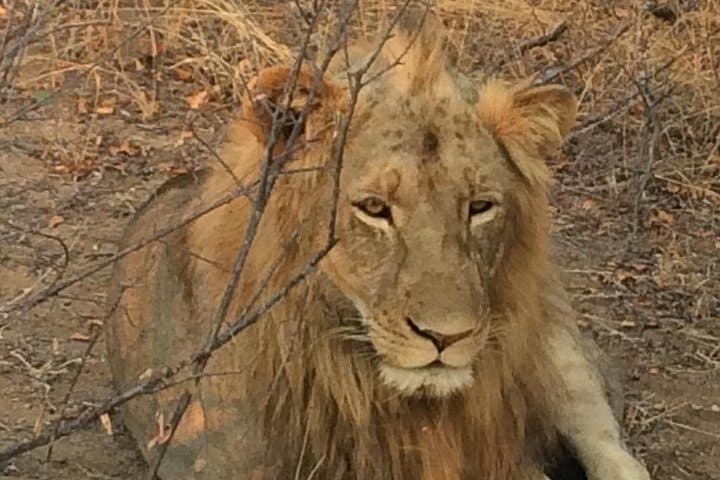
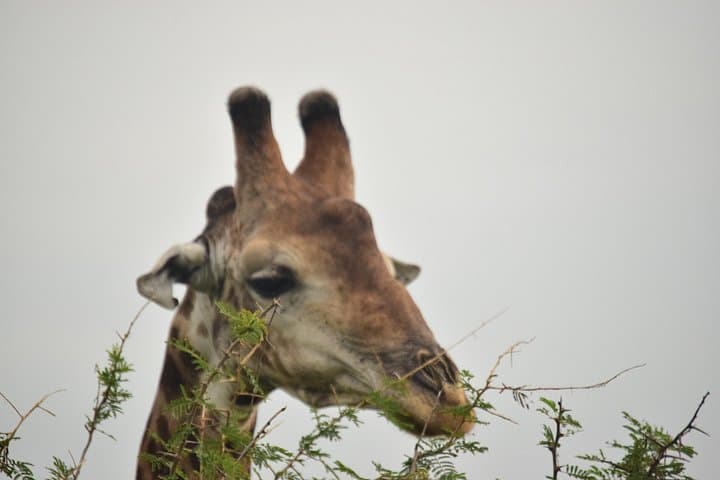
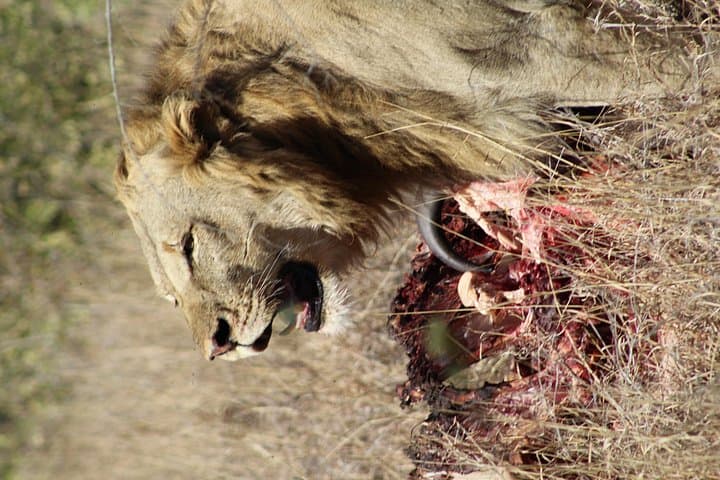
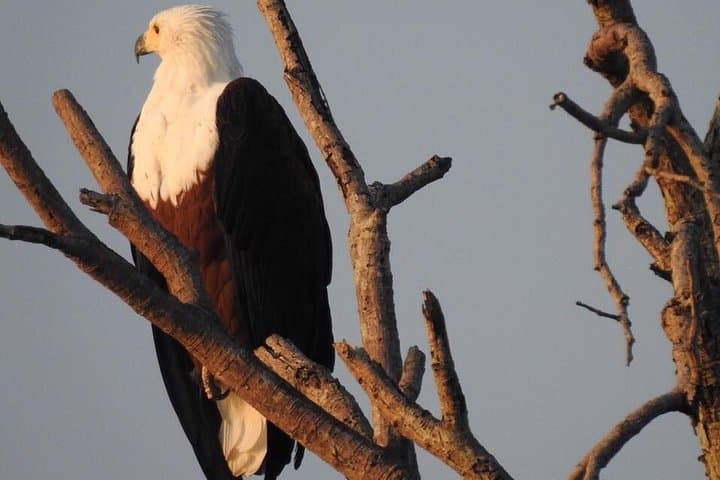
Expect guided game drives, a dawn bush walk when the scrub seems to breathe, and the practical rhythm of transfers — passport checks at the border and a swap into an open 4x4 for fieldwork. Wildlife encounters are up close but weather‑ and animal‑dependent; guides read spoor, birdsong and wind to position the vehicle.
Practical guidance: carry your passport and visa paperwork, malaria precautions and insect repellent, and a camera with a telephoto lens and binoculars. Early starts (before sunrise) and cool evenings mean layers, and bottled water is provided but bring a refill bottle. The trip suits travellers wanting a compact, accessible Kruger experience — 24 hours in camp plus full‑day game viewing — without sacrificing the immediacy of a bush walk or the tension of a night drive.
Visa requirements depend on your nationality; check Mozambique and South Africa entry rules well before travel and carry passport pages for stamping.
Malaria is present in the region—consult your doctor or travel clinic for recommended prophylaxis and follow mosquito‑bite precautions.
Overnight stays are in Kruger Park bungalows or safari tents, assigned based on availability; expect basic en suite facilities or shared amenities depending on the camp.
Children can join but check age limits with the operator; night drives and long transfers may be tiring for very young travellers.
Ntwanano Safaris operates guided outdoor trips and adventures with an emphasis on safety, stewardship, and memorable experiences.
Dawn breaks over the Lowveld as an air‑conditioned transfer slips out of Maputo toward the South African border. By mid‑morning the landscape changes — mopane and acacia take over, and the open safari vehicle breathes, revealing the park. The first night is spent at a Kruger bungalow or tent; after dusk the reserve comes alive on a guided night drive where eyes and headlights pick at shapes in the long grass.
Dawn breaks over the Lowveld as an air‑conditioned transfer slips out of Maputo toward the South African border. By mid‑morning the landscape changes — mopane and acacia take over, and the open safari vehicle breathes, revealing the park. The first night is spent at a Kruger bungalow or tent; after dusk the reserve comes alive on a guided night drive where eyes and headlights pick at shapes in the long grass.
Kruger National Park is one of Africa’s oldest game reserves, carved from colonial hunting grounds into a modern conservation landscape spanning diverse geology: granite outcrops, sandstone ridges and riverine floodplains that collect herbivores and, in turn, predators. Cultural threads run from local Tsonga communities to Maputo’s colonial port city, shaping routes and hospitality for cross‑border visitors.
Expect guided game drives, a dawn bush walk when the scrub seems to breathe, and the practical rhythm of transfers — passport checks at the border and a swap into an open 4x4 for fieldwork. Wildlife encounters are up close but weather‑ and animal‑dependent; guides read spoor, birdsong and wind to position the vehicle.
Practical guidance: carry your passport and visa paperwork, malaria precautions and insect repellent, and a camera with a telephoto lens and binoculars. Early starts (before sunrise) and cool evenings mean layers, and bottled water is provided but bring a refill bottle. The trip suits travellers wanting a compact, accessible Kruger experience — 24 hours in camp plus full‑day game viewing — without sacrificing the immediacy of a bush walk or the tension of a night drive.