THE ADVENTURE COLLECTIVE® · Independent discovery and booking for outdoor travel

A full‑day trek from Sucre that pairs a two‑hour stretch of Inca trail with the colorful Maragua Crater and dinosaur trackways—geology, archaeology and Jalqa culture in one accessible loop.
A full‑day trek from Sucre that pairs a two‑hour stretch of Inca trail with the colorful Maragua Crater and dinosaur trackways—geology, archaeology and Jalqa culture in one accessible loop.
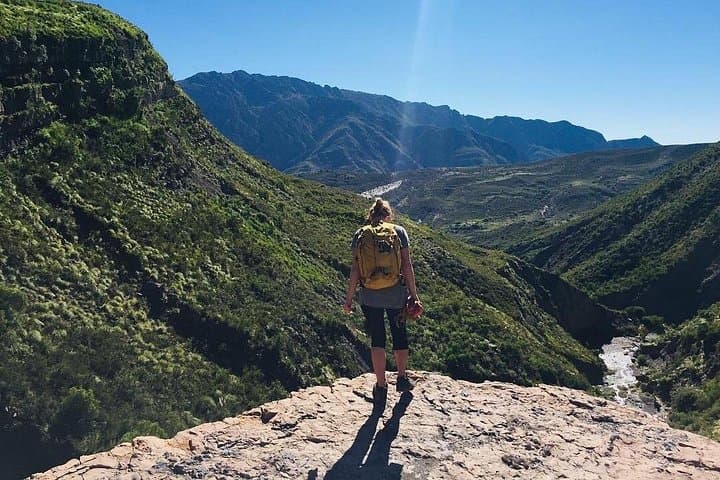
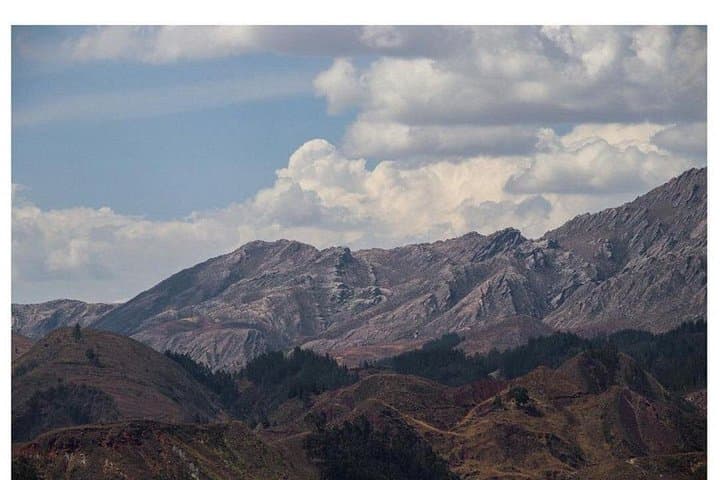
You step out of Sucre’s colonial cool into a sunlit windshield of valley and ridgeline; within an hour the city’s white stucco roofs fall away and the Andes tighten around the road. The day’s walk begins at the Chataquilla chapel, where a stone-paved pre‑Hispanic roadway — part of the broader Andean network often attributed to Inca engineering — slopes down into a highland corridor.
Verified experiences and guided adventures in the surrounding area.
Operated by Jalqa Tours · Sucre, Chuquisaca
You step out of Sucre’s colonial cool into a sunlit windshield of valley and ridgeline; within an hour the city’s white stucco roofs fall away and the Andes tighten around the road. The day’s walk begins at the Chataquilla chapel, where a stone-paved pre‑Hispanic roadway — part of the broader Andean network often attributed to Inca engineering — slopes down into a highland corridor.
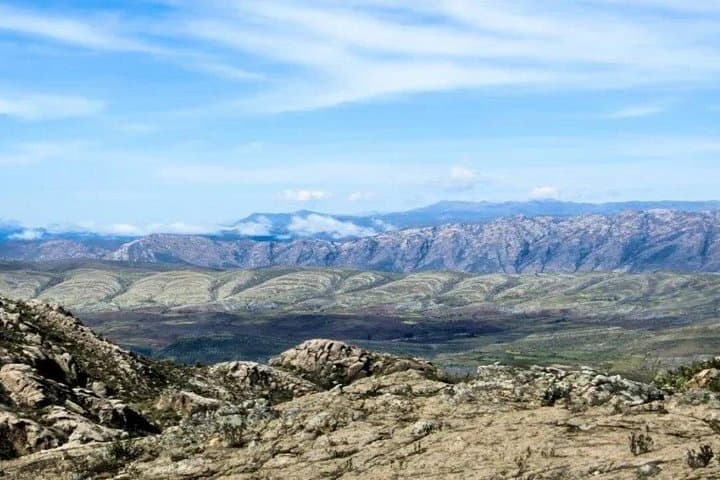
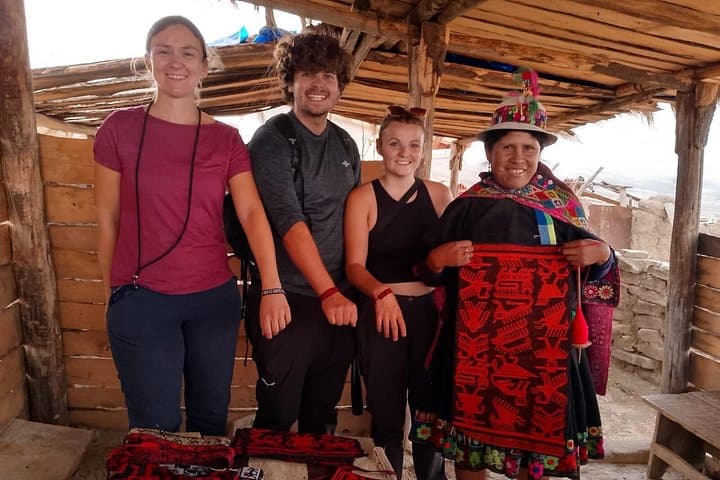
The trail alternates short stair-descents with steady uphill sections, offering close views of terraced fields, scrub, and wind-polished rock. After two hours on the Inca trail you reach open high plains and the Maragua Crater, a bowl of layered sedimentary colors: reds, ochres and greens that record millennia of erosion. Local Jalqa families live along the rim; community visits provide context on weaving, alpaca herding and local rituals.
A vegetarian lunch near the crater fuels an afternoon visit to Niñu Mayu, where dinosaur footprints are preserved in clear casts—an arresting reminder that this landscape records deep time as well as human history.
Practical guidance: expect 9–10 hours total including vehicle transfers, rough dirt roads and uneven footpaths. Altitude hovers above 2,800–3,200 m, so pace yourself, hydrate and keep layers handy for strong sun and cool mountain wind. Bring cash for market purchases and a respectful attitude — community access depends on local consent. This is a culturally rich, moderate‑effort day trek that pairs geology, archaeology and living Andean traditions into a single, accessible outing from Sucre.
The transfer is roughly 45–75 minutes each way depending on traffic and road conditions; the itinerary schedules about one hour for the initial drive.
Yes—while some uphill and stone steps exist, the pace is moderate and guides accommodate varying fitness levels; alert those with mobility issues.
A vegetarian lunch is provided and guides can accommodate vegan or gluten‑free diets if noted at booking.
The area ranges around 2,800–3,200 meters above sea level; take time to acclimatize and avoid strenuous exertion on arrival day.
Jalqa Tours operates guided outdoor trips and adventures with an emphasis on safety, stewardship, and memorable experiences.
You step out of Sucre’s colonial cool into a sunlit windshield of valley and ridgeline; within an hour the city’s white stucco roofs fall away and the Andes tighten around the road. The day’s walk begins at the Chataquilla chapel, where a stone-paved pre‑Hispanic roadway — part of the broader Andean network often attributed to Inca engineering — slopes down into a highland corridor.
You step out of Sucre’s colonial cool into a sunlit windshield of valley and ridgeline; within an hour the city’s white stucco roofs fall away and the Andes tighten around the road. The day’s walk begins at the Chataquilla chapel, where a stone-paved pre‑Hispanic roadway — part of the broader Andean network often attributed to Inca engineering — slopes down into a highland corridor.
The trail alternates short stair-descents with steady uphill sections, offering close views of terraced fields, scrub, and wind-polished rock. After two hours on the Inca trail you reach open high plains and the Maragua Crater, a bowl of layered sedimentary colors: reds, ochres and greens that record millennia of erosion. Local Jalqa families live along the rim; community visits provide context on weaving, alpaca herding and local rituals.
A vegetarian lunch near the crater fuels an afternoon visit to Niñu Mayu, where dinosaur footprints are preserved in clear casts—an arresting reminder that this landscape records deep time as well as human history.
Practical guidance: expect 9–10 hours total including vehicle transfers, rough dirt roads and uneven footpaths. Altitude hovers above 2,800–3,200 m, so pace yourself, hydrate and keep layers handy for strong sun and cool mountain wind. Bring cash for market purchases and a respectful attitude — community access depends on local consent. This is a culturally rich, moderate‑effort day trek that pairs geology, archaeology and living Andean traditions into a single, accessible outing from Sucre.