THE ADVENTURE COLLECTIVE® · Independent discovery and booking for outdoor travel

A classic five-day ascent via the Marangu Route takes hikers from rainforest to alpine desert and, with proper pacing, to Uhuru Peak. This guide covers what to expect—terrain, huts, altitude risks, and practical tips to prepare for the climb.
A classic five-day ascent via the Marangu Route takes hikers from rainforest to alpine desert and, with proper pacing, to Uhuru Peak. This guide covers what to expect—terrain, huts, altitude risks, and practical tips to prepare for the climb.
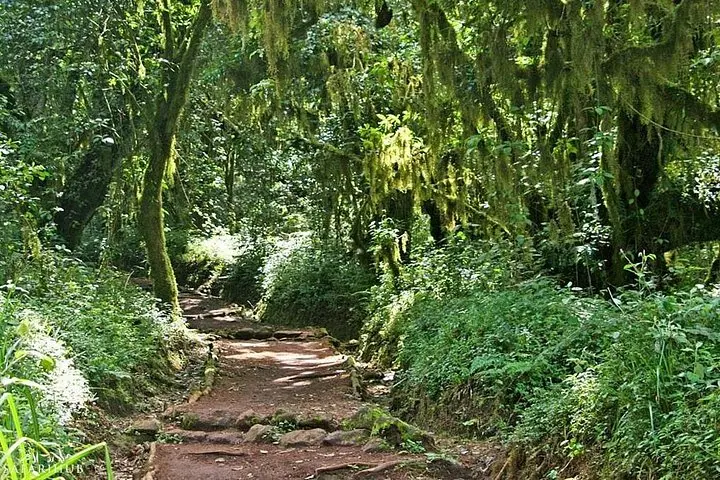
At dawn the rainforest breathes mist onto your boots and the path climbs away from Marangu Gate, every step trading dense greenery for thinning air and wide volcanic ridgelines.
Verified experiences and guided adventures in the surrounding area.
Operated by Trip to Africa (theKili-Guides) · Marangu, Kilimanjaro Region
At dawn the rainforest breathes mist onto your boots and the path climbs away from Marangu Gate, every step trading dense greenery for thinning air and wide volcanic ridgelines.
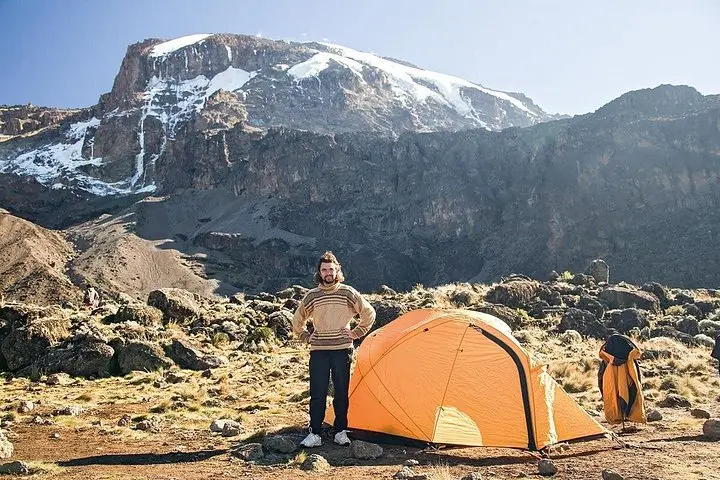
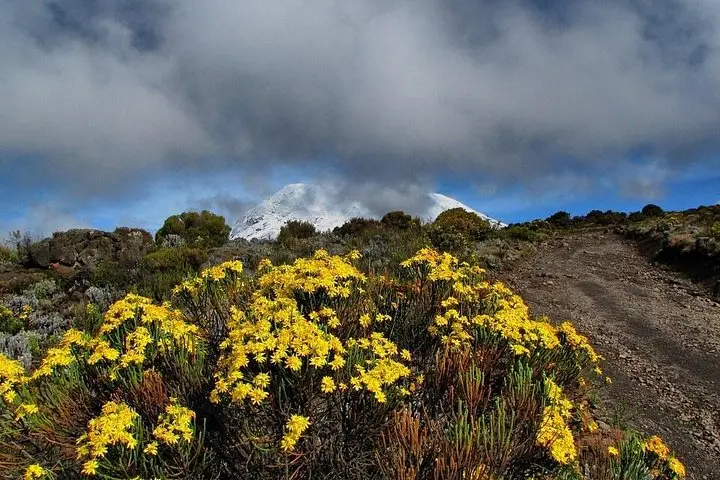
The Marangu Route is the oldest and one of the most straightforward routes on Mount Kilimanjaro, tracing a natural corridor used by local Chagga people and early explorers since the late 19th century. Kilimanjaro itself is a dormant volcanic massif—Kibo and Mawenzi stand like weathered towers—whose summit, Uhuru Peak, sits just under 5,900 meters. Along the way the landscape shifts from tropical forest to heather moorland and alpine desert, a clear demonstration of rapid altitudinal zonation.
Culturally, villages around Moshi and Marangu offer glimpses of Chagga agriculture and coffee terraces; guides often share stories about the mountain’s role in local identity. Geologically the trail climbs old lava flows and ash deposits; hikers cross fragile soils where glacial retreat has exposed rock and scree.
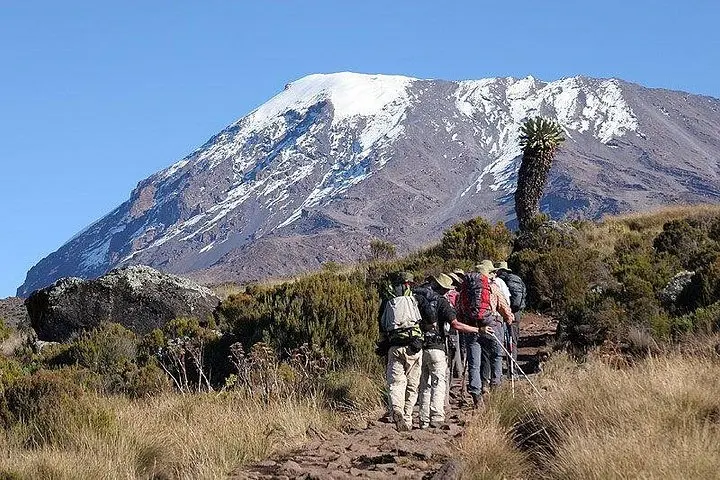
Practically, this five-day itinerary uses hut accommodations on most nights, which reduces pack weight but requires early starts and steady pacing to aid acclimatization. Expect daily gains of 600–1,000 meters on varied terrain—muddy rainforest tracks, rocky alpine paths, and loose scree near Kibo. Altitude is the chief objective hazard: hydrate, eat, and follow guide pacing. Weather can flip from tropical showers to clear, cold nights; layered clothing, waterproofs, and a solid pair of boots are non-negotiable. With good fitness and respect for altitude, the Marangu Route delivers a focused, achievable ascent of Africa’s highest peak.
You should be comfortable hiking 6–10 hours a day with moderate elevation gain; regular aerobic training and multi-hour hikes beforehand improve success rates.
Acute mountain sickness is the primary risk—mitigate by pacing, staying hydrated, communicating symptoms to your guide, and using acclimatization days; descent is the primary treatment.
Huts are basic dormitory-style shelters with mattresses; bring a warm sleeping liner, earplugs, and small dry bag for clothes and valuables.
Yes—Kilimanjaro National Park requires registered guides and entrance permits, which are arranged through operators for Marangu Route treks.
Trip to Africa (theKili-Guides) operates guided outdoor trips and adventures with an emphasis on safety, stewardship, and memorable experiences.
At dawn the rainforest breathes mist onto your boots and the path climbs away from Marangu Gate, every step trading dense greenery for thinning air and wide volcanic ridgelines.
At dawn the rainforest breathes mist onto your boots and the path climbs away from Marangu Gate, every step trading dense greenery for thinning air and wide volcanic ridgelines.
The Marangu Route is the oldest and one of the most straightforward routes on Mount Kilimanjaro, tracing a natural corridor used by local Chagga people and early explorers since the late 19th century. Kilimanjaro itself is a dormant volcanic massif—Kibo and Mawenzi stand like weathered towers—whose summit, Uhuru Peak, sits just under 5,900 meters. Along the way the landscape shifts from tropical forest to heather moorland and alpine desert, a clear demonstration of rapid altitudinal zonation.
Culturally, villages around Moshi and Marangu offer glimpses of Chagga agriculture and coffee terraces; guides often share stories about the mountain’s role in local identity. Geologically the trail climbs old lava flows and ash deposits; hikers cross fragile soils where glacial retreat has exposed rock and scree.
Practically, this five-day itinerary uses hut accommodations on most nights, which reduces pack weight but requires early starts and steady pacing to aid acclimatization. Expect daily gains of 600–1,000 meters on varied terrain—muddy rainforest tracks, rocky alpine paths, and loose scree near Kibo. Altitude is the chief objective hazard: hydrate, eat, and follow guide pacing. Weather can flip from tropical showers to clear, cold nights; layered clothing, waterproofs, and a solid pair of boots are non-negotiable. With good fitness and respect for altitude, the Marangu Route delivers a focused, achievable ascent of Africa’s highest peak.