THE ADVENTURE COLLECTIVE® · Independent discovery and booking for outdoor travel

The Marangu Route offers a direct, hut‑based ascent of Kilimanjaro in five days—easier on gear but demanding on acclimatization. Learn what to expect on each zone of the mountain and how to prepare for summit day.
The Marangu Route offers a direct, hut‑based ascent of Kilimanjaro in five days—easier on gear but demanding on acclimatization. Learn what to expect on each zone of the mountain and how to prepare for summit day.
The morning air on Marangu’s lower slopes smells of wet earth and eucalyptus; your guide checks straps while porters fold tarps and the village recedes behind you.
Verified experiences and guided adventures in the surrounding area.
Operated by Rede Tours and Safaris (Amore African Safari LTD) · Moshi, Kilimanjaro Region
The morning air on Marangu’s lower slopes smells of wet earth and eucalyptus; your guide checks straps while porters fold tarps and the village recedes behind you.
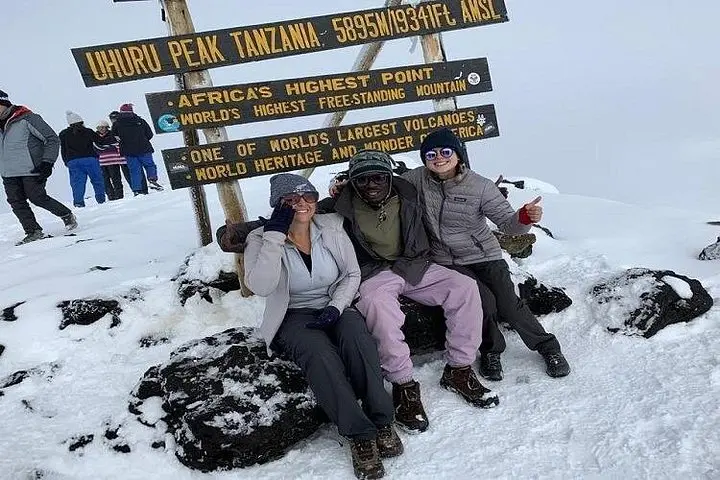
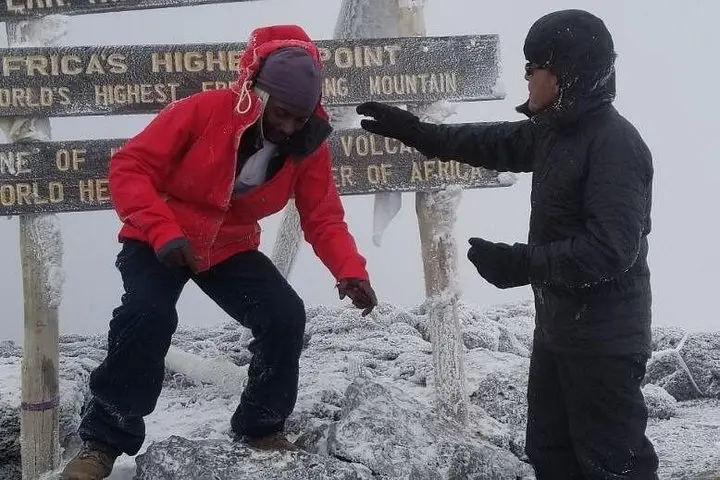
The Marangu Route rises from montane rainforest through moorland and alpine desert to Uhuru Peak at 5,895 m. Known as the “Coca‑Cola” route, its steady switchbacks and built huts make logistics simpler than other routes, but the quick five‑day schedule compresses acclimatization and puts altitude first among challenges.
Geologically Kilimanjaro is a dormant stratovolcano with a volcanic cone capped by ice. Culturally the mountain looms large for the Chagga people who farm its lower flanks; European attempts in the 19th century culminated in the first recorded summit by Hans Meyer and Ludwig Purtscheller in 1889. Wildlife is most visible in the forest zone—colobus monkeys and a variety of birdlife—while higher zones are fragile, rocky and thin on vegetation.
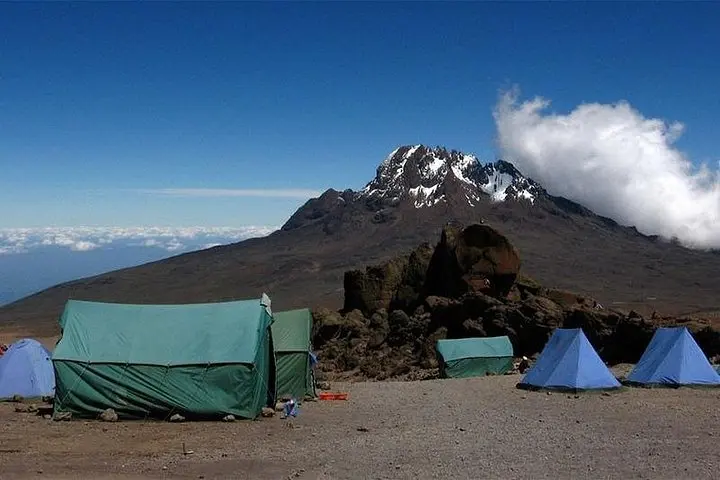
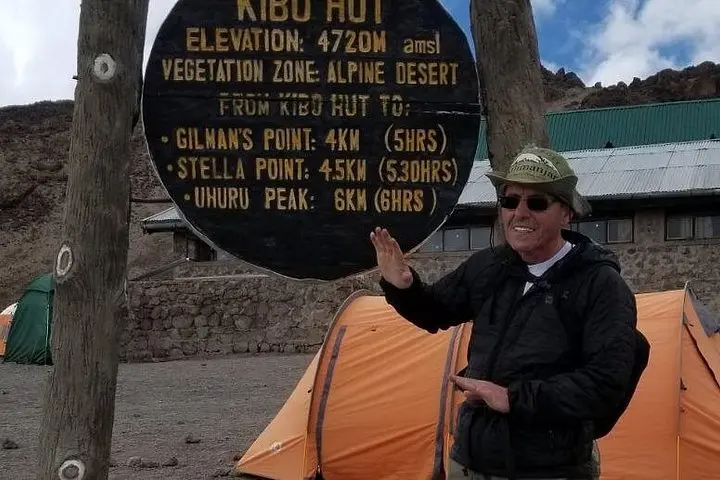
Practically, expect dormitory huts with mattresses and shared dining halls, basic washrooms, and daily climbs of 4–8 hours between huts. Total elevation gain from Marangu Gate (~1,860 m) to Uhuru Peak (~5,895 m) is roughly 4,000 m over the round trip; total distance is about 60–70 km depending on approach. Porters, cooks and guides typically handle camp logistics and meals, but bring a warm sleeping bag, layered clothing, sturdy boots and a sense of patience for crowds on summit day.
Hydrate deliberately, pace upward to manage altitude, and respect hut etiquette—quiet hours and shared spaces make early sleep and steady breathing as important as your boots.
No technical experience is required, but previous multi‑day hiking and good cardiovascular fitness improve success and comfort on summit day.
Marangu is the most popular and therefore busiest route, especially during June–October; expect other groups at huts and on summit day.
Most operators include guides, porters, meals, park fees and hut accommodation (mattress and pillow) but you should bring a sleeping bag and personal items.
The main risk is altitude sickness due to limited acclimatization time; follow your guide’s pacing, hydrate, and be prepared to descend if symptoms appear.
Rede Tours and Safaris (Amore African Safari LTD) operates guided outdoor trips and adventures with an emphasis on safety, stewardship, and memorable experiences.
The morning air on Marangu’s lower slopes smells of wet earth and eucalyptus; your guide checks straps while porters fold tarps and the village recedes behind you.
The morning air on Marangu’s lower slopes smells of wet earth and eucalyptus; your guide checks straps while porters fold tarps and the village recedes behind you.
The Marangu Route rises from montane rainforest through moorland and alpine desert to Uhuru Peak at 5,895 m. Known as the “Coca‑Cola” route, its steady switchbacks and built huts make logistics simpler than other routes, but the quick five‑day schedule compresses acclimatization and puts altitude first among challenges.
Geologically Kilimanjaro is a dormant stratovolcano with a volcanic cone capped by ice. Culturally the mountain looms large for the Chagga people who farm its lower flanks; European attempts in the 19th century culminated in the first recorded summit by Hans Meyer and Ludwig Purtscheller in 1889. Wildlife is most visible in the forest zone—colobus monkeys and a variety of birdlife—while higher zones are fragile, rocky and thin on vegetation.
Practically, expect dormitory huts with mattresses and shared dining halls, basic washrooms, and daily climbs of 4–8 hours between huts. Total elevation gain from Marangu Gate (~1,860 m) to Uhuru Peak (~5,895 m) is roughly 4,000 m over the round trip; total distance is about 60–70 km depending on approach. Porters, cooks and guides typically handle camp logistics and meals, but bring a warm sleeping bag, layered clothing, sturdy boots and a sense of patience for crowds on summit day.
Hydrate deliberately, pace upward to manage altitude, and respect hut etiquette—quiet hours and shared spaces make early sleep and steady breathing as important as your boots.