THE ADVENTURE COLLECTIVE® · Independent discovery and booking for outdoor travel

A classic, hut-based ascent of Kilimanjaro, the 6-day Marangu Route moves from rainforest to glacier with a built-in acclimatization day and cabin nights along the way. Expect steady miles, changing ecosystems, and a demanding midnight summit push to Uhuru Peak.
A classic, hut-based ascent of Kilimanjaro, the 6-day Marangu Route moves from rainforest to glacier with a built-in acclimatization day and cabin nights along the way. Expect steady miles, changing ecosystems, and a demanding midnight summit push to Uhuru Peak.
It begins before dawn, with headlamps bobbing like slow fireflies along a wide, gravel ribbon that climbs out of the rainforest. On the Marangu Route, early steps are humid and easy—ferns and giant lobelias brush the boot-sides, blue monkeys watch from the canopy, and a stream dares you to slow your pace.
Verified experiences and guided adventures in the surrounding area.
Operated by Budget Safaris Tanzania · Moshi, Kilimanjaro Region
It begins before dawn, with headlamps bobbing like slow fireflies along a wide, gravel ribbon that climbs out of the rainforest. On the Marangu Route, early steps are humid and easy—ferns and giant lobelias brush the boot-sides, blue monkeys watch from the canopy, and a stream dares you to slow your pace.
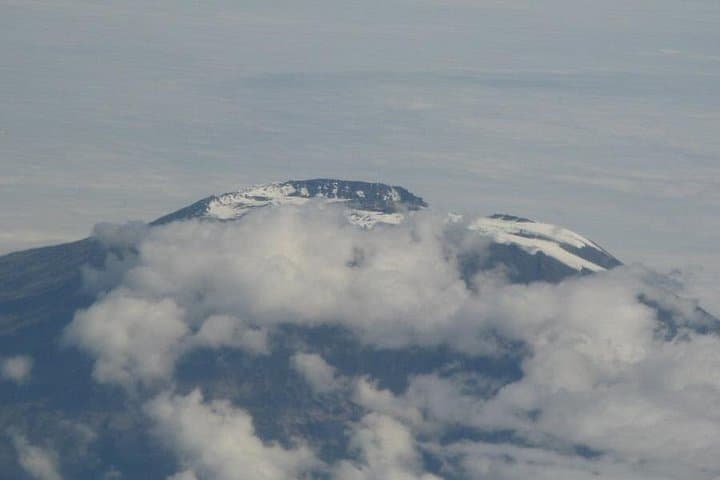
Marangu is the oldest established caravan to Kilimanjaro’s summit. Colonial-era guides first mapped these paths and the huts that punctuate the route; the wooden dormitories you sleep in echo that practical history. Geologically, you’re walking up an ancient stratovolcano: the trail moves from dense montane forest through heather and giant groundsels to the wind-scoured alpine desert of the Saddle, and finally the glacial rim around Kibo crater. Mawenzi’s jagged flank keeps pace on one side while Kibo’s ice fields glitter like a distant, patient summit.
The culture around the climb is as pragmatic as the route: porters from nearby villages create the corridor that makes hut-based trekking possible, and guides carry both safety knowledge and a running commentary on local flora and folklore. Conservation here blends tourism revenue with fragile ecology—above 4,000 meters, plant life is slow-growing and easily damaged, so the trail’s compacted line is vital to minimize impact.
Practically, the Marangu Route is straightforward to plan, which is part of its appeal—hut accommodation simplifies gear lists and the six-day itinerary adds a crucial acclimatization day that improves summit odds. But don’t mistake ‘organized’ for ‘easy.’ The summit push starts around midnight, and steep scree and thin air will test every step. Hydration is non-negotiable: sip frequently, and use electrolyte mixes. Layers matter more than bulk—temperatures swing from balmy forest to below-freezing at Uhuru Peak. Good footwear with firm ankle support and replaceable soles will save sore feet; gaiters help on the dusty Saddle.
Timing your climb for the drier months (January–March, June–October) reduces weather-related risk; summit visibility and a calmer crater rim reward early-season patience. Bring travel insurance that covers high-altitude rescue, and choose guides who prioritize paced climbs rather than speed.
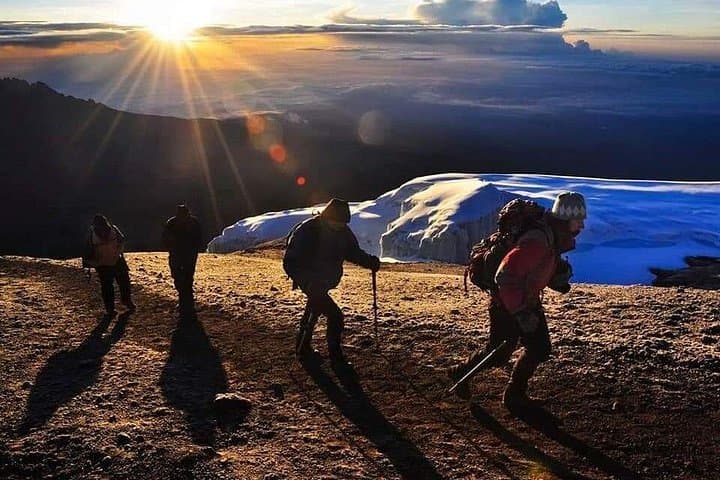
At the top, sunrise over the African plains is sharp and deliberate—the ice at your feet seems to have its own light. On the descent, the mountain relaxes; the forest reclaims your footsteps. The Marangu Route delivers a compact, social, and atmospheric climb: historic huts, changing biomes, and a summit that demands respect—yet offers one of the most direct encounters with Africa’s highest point.
It’s easier to organize and unique for hut accommodation, but not necessarily the easiest physically—success depends on acclimatization and pacing.
No technical mountaineering skills are required; the route is a strenuous trek, not a technical climb.
Dormitory-style huts with bunk beds; bring an insulated sleeping bag rated to at least -10°C for comfort.
This itinerary is six days, which includes an extra acclimatization day to improve summit odds.
January–March and June–October are the drier, more reliable windows for summit attempts.
Headache, nausea, and fatigue are common; guides monitor symptoms and use rest, descent, and hydration—serious cases require descent and medical attention.
Budget Safaris Tanzania operates guided outdoor trips and adventures with an emphasis on safety, stewardship, and memorable experiences.
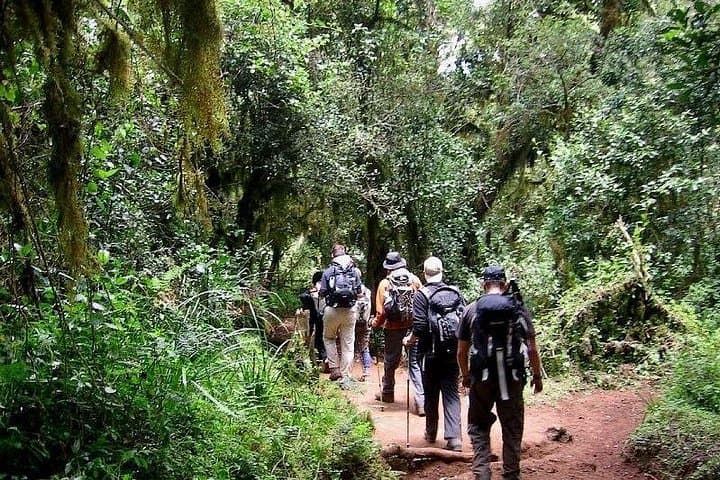
It begins before dawn, with headlamps bobbing like slow fireflies along a wide, gravel ribbon that climbs out of the rainforest. On the Marangu Route, early steps are humid and easy—ferns and giant lobelias brush the boot-sides, blue monkeys watch from the canopy, and a stream dares you to slow your pace.
It begins before dawn, with headlamps bobbing like slow fireflies along a wide, gravel ribbon that climbs out of the rainforest. On the Marangu Route, early steps are humid and easy—ferns and giant lobelias brush the boot-sides, blue monkeys watch from the canopy, and a stream dares you to slow your pace.
Marangu is the oldest established caravan to Kilimanjaro’s summit. Colonial-era guides first mapped these paths and the huts that punctuate the route; the wooden dormitories you sleep in echo that practical history. Geologically, you’re walking up an ancient stratovolcano: the trail moves from dense montane forest through heather and giant groundsels to the wind-scoured alpine desert of the Saddle, and finally the glacial rim around Kibo crater. Mawenzi’s jagged flank keeps pace on one side while Kibo’s ice fields glitter like a distant, patient summit.
The culture around the climb is as pragmatic as the route: porters from nearby villages create the corridor that makes hut-based trekking possible, and guides carry both safety knowledge and a running commentary on local flora and folklore. Conservation here blends tourism revenue with fragile ecology—above 4,000 meters, plant life is slow-growing and easily damaged, so the trail’s compacted line is vital to minimize impact.
Practically, the Marangu Route is straightforward to plan, which is part of its appeal—hut accommodation simplifies gear lists and the six-day itinerary adds a crucial acclimatization day that improves summit odds. But don’t mistake ‘organized’ for ‘easy.’ The summit push starts around midnight, and steep scree and thin air will test every step. Hydration is non-negotiable: sip frequently, and use electrolyte mixes. Layers matter more than bulk—temperatures swing from balmy forest to below-freezing at Uhuru Peak. Good footwear with firm ankle support and replaceable soles will save sore feet; gaiters help on the dusty Saddle.
Timing your climb for the drier months (January–March, June–October) reduces weather-related risk; summit visibility and a calmer crater rim reward early-season patience. Bring travel insurance that covers high-altitude rescue, and choose guides who prioritize paced climbs rather than speed.
At the top, sunrise over the African plains is sharp and deliberate—the ice at your feet seems to have its own light. On the descent, the mountain relaxes; the forest reclaims your footsteps. The Marangu Route delivers a compact, social, and atmospheric climb: historic huts, changing biomes, and a summit that demands respect—yet offers one of the most direct encounters with Africa’s highest point.