THE ADVENTURE COLLECTIVE® · Independent discovery and booking for outdoor travel

Climb Kilimanjaro the classic way on the Marangu Route: a private, 6-day hut-based trek that trades tenting for dormitory comfort and a direct line to Uhuru Peak. Expect varied habitats, communal huts, and a summit night that tests acclimatization and resolve.
Climb Kilimanjaro the classic way on the Marangu Route: a private, 6-day hut-based trek that trades tenting for dormitory comfort and a direct line to Uhuru Peak. Expect varied habitats, communal huts, and a summit night that tests acclimatization and resolve.
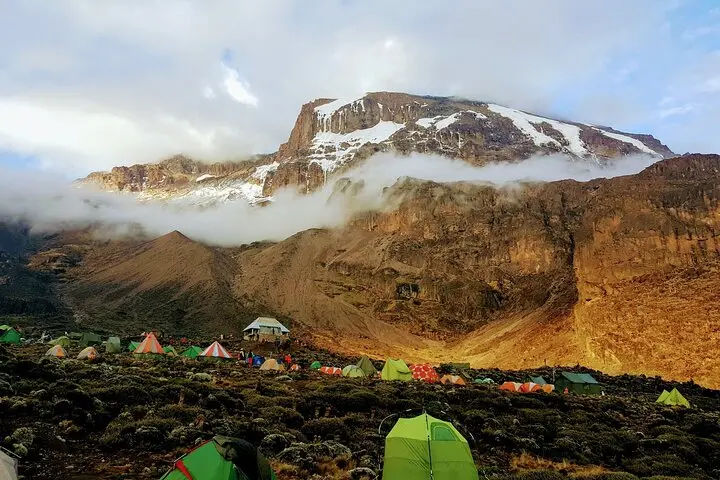
The headlamp cones ahead, a slow procession of nylon and breath moving up a desert of scree. Night grips the Saddle and the wind, impatient and cold, pushes at jackets and resolves. On the Marangu Route you climb in the company of huts rather than tents — wooden dormitories that sound with the soft chatter of porters and the clink of plastic mugs. By dawn the sky peels back and Mawenzi’s knife-edge appears, bold and raw, while the Great Ice of Kibo gleams like an old promise.
Verified experiences and guided adventures in the surrounding area.
Operated by Hillborn Organic Coffee · Moshi, Kilimanjaro Region
The headlamp cones ahead, a slow procession of nylon and breath moving up a desert of scree. Night grips the Saddle and the wind, impatient and cold, pushes at jackets and resolves. On the Marangu Route you climb in the company of huts rather than tents — wooden dormitories that sound with the soft chatter of porters and the clink of plastic mugs. By dawn the sky peels back and Mawenzi’s knife-edge appears, bold and raw, while the Great Ice of Kibo gleams like an old promise.
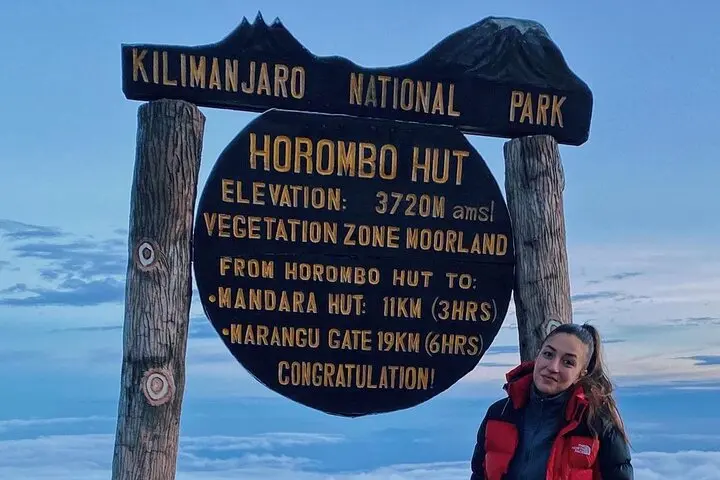
Marangu is the oldest path on Kilimanjaro and the only one with hut accommodation — Mandara, Horombo and Kibo — which changes the rhythm of a summit bid. Geologically the mountain is a three-peaked stratovolcano: Shira, Mawenzi and Kibo, the latter holding Uhuru Peak at 5,895 m (19,341 ft). The route approaches from the southeast and moves through defined ecological bands: dense rain forest, high moorland, heath, the lunar Saddle and the arctic summit zone. Cultural notes are visible in the lower slopes where Chagga coffee terraces and village life remind you this is a lived landscape, not just a climbing objective.
Practically, Marangu is often called the "Coca-Cola" route for its ease of wayfinding and popularity — it is direct and steady but shorter than other routes, making proper acclimatization a challenge. Expect daily ascents of 3–4 hours between huts, with the summit push starting around midnight from Kibo Hut: an exposed, technical-feel ascent of roughly 4–8 hours to Gilman’s Point and Uhuru Peak, followed by a long descent of about 10 miles (16 km) back to Horombo.
If you’re planning this private 6-day itinerary, prioritize slow pacing and hydration. Bring a three-season sleeping bag rated to at least -10°C — huts provide mattresses but not warm bedding. Layer strategically: a breathable base, insulating mid-layer, and a windproof shell; temperatures swing from humid forest to arctic cold in hours. Trekking poles save knees on the long descent and help conserve energy on the summit grind. Be realistic about AMS: head for extra acclimatization days if possible, know the symptoms, and carry a plan for descent.
Logistics are straightforward: Moshi is the typical base town with transfers to Marangu Gate and options for private pickup. Hut dormitories are communal; etiquette and a small cash tip for porters will go a long way. Finally, respect the park — Kilimanjaro National Park funds conservation with entry fees; pack out waste and leave the ridges as you found them. The summit is a personal high point, but the mountain’s moods — from forested mornings full of birds to a summit sunrise that makes every early hour worth it — are what linger after you’re back in Moshi.
Yes—huts supply mattresses and pillows but not sleeping bags; a warm bag rated to at least -10°C is recommended.
The summit night is the most strenuous: expect a 4–8 hour cold, windy ascent starting around midnight, followed by a long descent—proper pacing and acclimatization are essential.
This operator’s inclusions list fees and taxes; confirm with the supplier whether Kilimanjaro National Park entry and rescue insurance are covered in the booking.
Generally June–October and January–March offer the most stable conditions; short rainy seasons in April–May and November mean muddier trails.
Marangu is the most popular route and can be busy, especially at Mandara and Horombo huts; booking in advance helps secure space and quieter scheduling.
Inform guides immediately—common responses include slowing pace, supplemental oxygen, or descent; the team should have protocols and evacuation plans.
Hillborn Organic Coffee operates guided outdoor trips and adventures with an emphasis on safety, stewardship, and memorable experiences.
The headlamp cones ahead, a slow procession of nylon and breath moving up a desert of scree. Night grips the Saddle and the wind, impatient and cold, pushes at jackets and resolves. On the Marangu Route you climb in the company of huts rather than tents — wooden dormitories that sound with the soft chatter of porters and the clink of plastic mugs. By dawn the sky peels back and Mawenzi’s knife-edge appears, bold and raw, while the Great Ice of Kibo gleams like an old promise.
The headlamp cones ahead, a slow procession of nylon and breath moving up a desert of scree. Night grips the Saddle and the wind, impatient and cold, pushes at jackets and resolves. On the Marangu Route you climb in the company of huts rather than tents — wooden dormitories that sound with the soft chatter of porters and the clink of plastic mugs. By dawn the sky peels back and Mawenzi’s knife-edge appears, bold and raw, while the Great Ice of Kibo gleams like an old promise.
Marangu is the oldest path on Kilimanjaro and the only one with hut accommodation — Mandara, Horombo and Kibo — which changes the rhythm of a summit bid. Geologically the mountain is a three-peaked stratovolcano: Shira, Mawenzi and Kibo, the latter holding Uhuru Peak at 5,895 m (19,341 ft). The route approaches from the southeast and moves through defined ecological bands: dense rain forest, high moorland, heath, the lunar Saddle and the arctic summit zone. Cultural notes are visible in the lower slopes where Chagga coffee terraces and village life remind you this is a lived landscape, not just a climbing objective.
Practically, Marangu is often called the "Coca-Cola" route for its ease of wayfinding and popularity — it is direct and steady but shorter than other routes, making proper acclimatization a challenge. Expect daily ascents of 3–4 hours between huts, with the summit push starting around midnight from Kibo Hut: an exposed, technical-feel ascent of roughly 4–8 hours to Gilman’s Point and Uhuru Peak, followed by a long descent of about 10 miles (16 km) back to Horombo.
If you’re planning this private 6-day itinerary, prioritize slow pacing and hydration. Bring a three-season sleeping bag rated to at least -10°C — huts provide mattresses but not warm bedding. Layer strategically: a breathable base, insulating mid-layer, and a windproof shell; temperatures swing from humid forest to arctic cold in hours. Trekking poles save knees on the long descent and help conserve energy on the summit grind. Be realistic about AMS: head for extra acclimatization days if possible, know the symptoms, and carry a plan for descent.
Logistics are straightforward: Moshi is the typical base town with transfers to Marangu Gate and options for private pickup. Hut dormitories are communal; etiquette and a small cash tip for porters will go a long way. Finally, respect the park — Kilimanjaro National Park funds conservation with entry fees; pack out waste and leave the ridges as you found them. The summit is a personal high point, but the mountain’s moods — from forested mornings full of birds to a summit sunrise that makes every early hour worth it — are what linger after you’re back in Moshi.