THE ADVENTURE COLLECTIVE® · Independent discovery and booking for outdoor travel

Slide through mangrove corridors and meet the scientists working to protect Marapendi Lagoon. This half-day boat tour from Rio combines wildlife viewing, conservation insight, and optional paddling at a secluded beach.
Slide through mangrove corridors and meet the scientists working to protect Marapendi Lagoon. This half-day boat tour from Rio combines wildlife viewing, conservation insight, and optional paddling at a secluded beach.
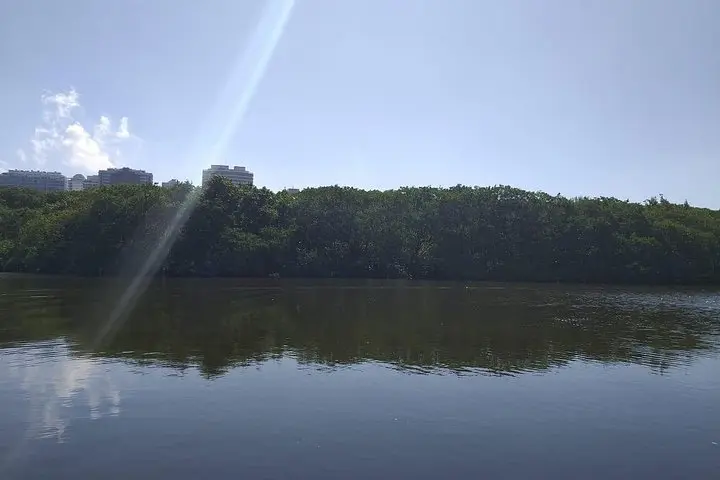
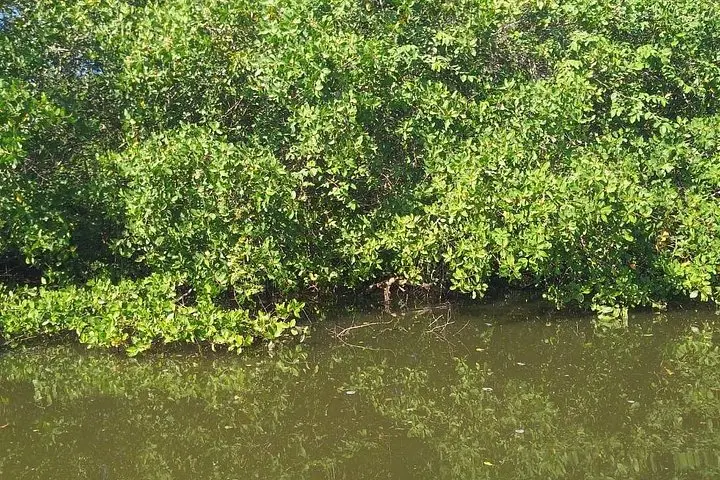
You push through the green mouth of the lagoon and the city sound drops away—mangroves lean over slow water while a guide points out a capybara slipping into the reeds. The boat’s wake sketches a temporary road between islands of marsh grass; overhead, coastal birds wheel and call, curious about the intrusion.
Verified experiences and guided adventures in the surrounding area.
Operated by Rio Carioca Tour Ltda · Rio de Janeiro, Rio de Janeiro
You push through the green mouth of the lagoon and the city sound drops away—mangroves lean over slow water while a guide points out a capybara slipping into the reeds. The boat’s wake sketches a temporary road between islands of marsh grass; overhead, coastal birds wheel and call, curious about the intrusion.
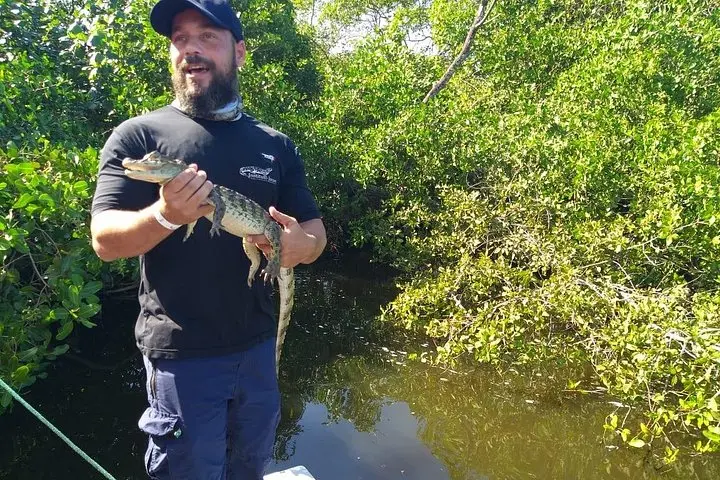
Marapendi Lagoon sits on Rio’s western shore in Barra da Tijuca, a coastal wetland shaped by dune deposits and tidal exchange with the Atlantic. Historically a fishing and salt-harvest zone, the area now balances urban pressure with pockets of protected wetlands and community conservation efforts. Local biologists monitor fish, birds, small mammals and the region’s caiman (commonly called alligators), and tours often highlight those programs.
Expect a family-friendly, educational pace: guided narration from the boat, stops near research outposts, and optional time at a quiet sand beach or basic water-sports setup. Facilities are rustic—functional toilets and no commercial services—so plan accordingly. The experience emphasizes conservation: you’ll see researchers’ work, learn about habitat threats from urban runoff and discuss ways visitors can lower impacts.
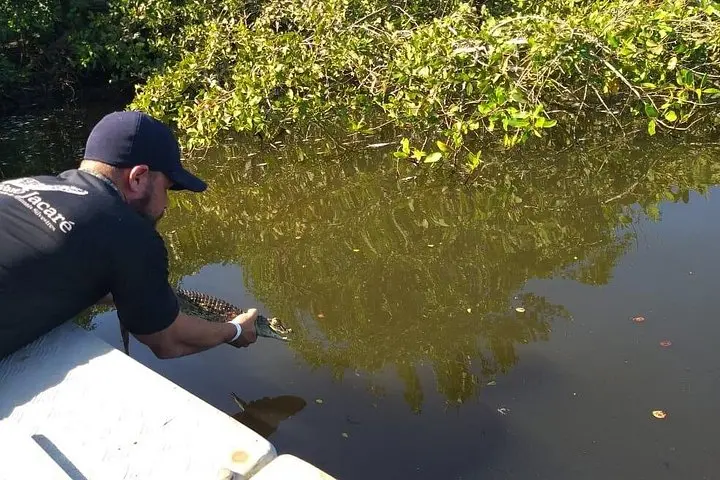
Practical tips: wear quick-dry clothing, bring reef-safe sunscreen and a waterproof bag for cameras. If you opt for kayaking, basic paddling skills help but aren’t required—guides give instruction. Hotel pickup and air-conditioned transport are typically included; lunch is not. Tours can include brief hands-on moments like helping staff move a caiman under supervision, though such interactions depend on permits and animal welfare priorities.
Timing your day for calmer water and cooler light (early morning or late afternoon) improves wildlife sightings and photography.
Yes—most departures include pickup in an air-conditioned vehicle; confirm your pickup time when booking.
Caiman sightings are possible but never guaranteed; guides will point out habitats and ongoing research work when animals are present.
Children are welcome; infants ride on laps in the vehicle and must be supervised—check age policies when booking.
There is time at a secluded beach and optional kayak/canoe use; water-sport participation may require basic instruction and depends on conditions.
Rio Carioca Tour Ltda operates guided outdoor trips and adventures with an emphasis on safety, stewardship, and memorable experiences.
You push through the green mouth of the lagoon and the city sound drops away—mangroves lean over slow water while a guide points out a capybara slipping into the reeds. The boat’s wake sketches a temporary road between islands of marsh grass; overhead, coastal birds wheel and call, curious about the intrusion.
You push through the green mouth of the lagoon and the city sound drops away—mangroves lean over slow water while a guide points out a capybara slipping into the reeds. The boat’s wake sketches a temporary road between islands of marsh grass; overhead, coastal birds wheel and call, curious about the intrusion.
Marapendi Lagoon sits on Rio’s western shore in Barra da Tijuca, a coastal wetland shaped by dune deposits and tidal exchange with the Atlantic. Historically a fishing and salt-harvest zone, the area now balances urban pressure with pockets of protected wetlands and community conservation efforts. Local biologists monitor fish, birds, small mammals and the region’s caiman (commonly called alligators), and tours often highlight those programs.
Expect a family-friendly, educational pace: guided narration from the boat, stops near research outposts, and optional time at a quiet sand beach or basic water-sports setup. Facilities are rustic—functional toilets and no commercial services—so plan accordingly. The experience emphasizes conservation: you’ll see researchers’ work, learn about habitat threats from urban runoff and discuss ways visitors can lower impacts.
Practical tips: wear quick-dry clothing, bring reef-safe sunscreen and a waterproof bag for cameras. If you opt for kayaking, basic paddling skills help but aren’t required—guides give instruction. Hotel pickup and air-conditioned transport are typically included; lunch is not. Tours can include brief hands-on moments like helping staff move a caiman under supervision, though such interactions depend on permits and animal welfare priorities.
Timing your day for calmer water and cooler light (early morning or late afternoon) improves wildlife sightings and photography.