THE ADVENTURE COLLECTIVE® · Independent discovery and booking for outdoor travel

Hit two of the Sacred Valley’s signature sites in one accessible day trip from Cusco: the concentric agricultural terraces of Moray and the thousands of salt pans at Maras. This guide explains what to expect on the half-day tour and how to prepare for high-altitude walking and changing weather.
Hit two of the Sacred Valley’s signature sites in one accessible day trip from Cusco: the concentric agricultural terraces of Moray and the thousands of salt pans at Maras. This guide explains what to expect on the half-day tour and how to prepare for high-altitude walking and changing weather.
You step out of the van and the air feels thinner, cooler—Sacred Valley light slicing across concentric terraces. At Moray, the earth folds into amphitheaters of stone: concentric agricultural labs where the Incas coaxed microclimates for crops. The guide points out subtle soil shifts and irrigation channels; wind moves through the rings like a living clock.
Verified experiences and guided adventures in the surrounding area.
Operated by Machupicchu Peru Company · Cusco, Cusco Region
You step out of the van and the air feels thinner, cooler—Sacred Valley light slicing across concentric terraces. At Moray, the earth folds into amphitheaters of stone: concentric agricultural labs where the Incas coaxed microclimates for crops. The guide points out subtle soil shifts and irrigation channels; wind moves through the rings like a living clock.
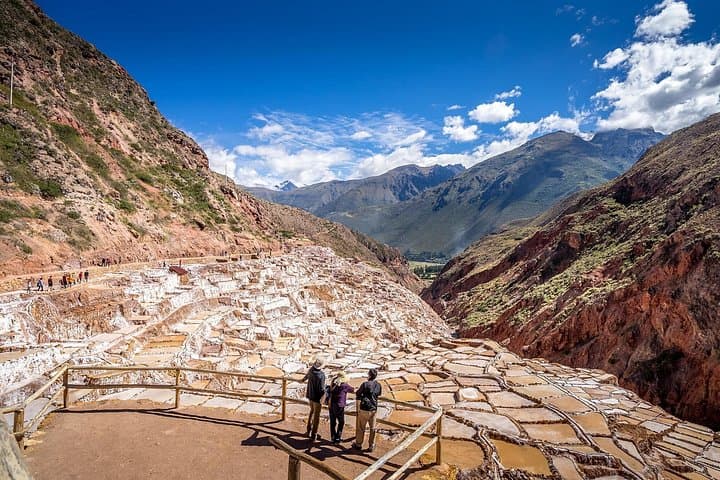
A short drive later, the road drops toward Maras and the Salineras. Thousands of salt pans cling to the hillside, shallow pools reflecting the sky. Water, mineral and human labor collaborate here: channels divert a salty spring that locals still harvest using methods passed down from pre-Columbian times.
Historically these sites reveal Inca ingenuity—Moray’s terraces are an experimental gradient of temperature and humidity, and Maras supplied salt long before modern markets. Geologically, the valley sits on uplifted Andean bedrock; terraces and pans exploit gradients in runoff and evaporation.
Practically: the full loop is a half-day (about six hours with transfers) from Cusco and includes round-trip transport and a local guide, but not admission fees—bring your Cusco Tourist Ticket and some soles for small purchases. Walking is short but at 3,300–3,600 m elevation; expect uneven stone paths and steep viewpoints. Dress in layers, bring sun protection and water, and allow time for photos—sunrise and late afternoon light make the salt pans gleam.
This tour balances cultural context and scenery—ideal if you want Inca engineering, salt-harvest tradition, and manageable walks without a multi-day trek.
The trip runs about six hours total from pickup in Cusco with roughly 1–2 hours of driving each way depending on traffic and stops.
Admission to Moray and the Salineras is typically not included—bring your Cusco Tourist Ticket or pay local entrance fees as required.
Sites sit between ~3,300–3,700 meters; even short walks can feel harder—allow time to acclimatize in Cusco and stay hydrated.
Walks are short but on irregular stone surfaces and include steps—those with serious mobility limitations or spinal issues should consider accessibility before booking.
Machupicchu Peru Company operates guided outdoor trips and adventures with an emphasis on safety, stewardship, and memorable experiences.

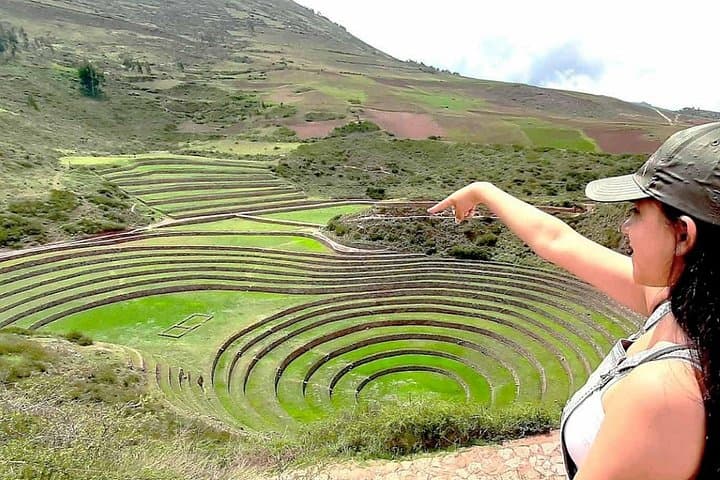
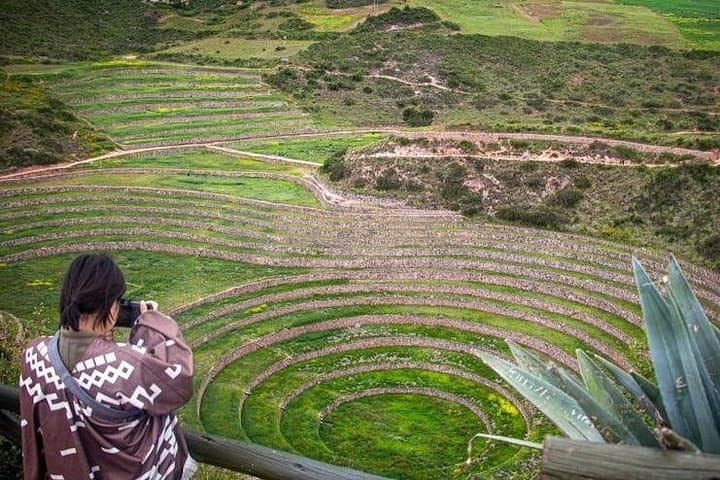
You step out of the van and the air feels thinner, cooler—Sacred Valley light slicing across concentric terraces. At Moray, the earth folds into amphitheaters of stone: concentric agricultural labs where the Incas coaxed microclimates for crops. The guide points out subtle soil shifts and irrigation channels; wind moves through the rings like a living clock.
You step out of the van and the air feels thinner, cooler—Sacred Valley light slicing across concentric terraces. At Moray, the earth folds into amphitheaters of stone: concentric agricultural labs where the Incas coaxed microclimates for crops. The guide points out subtle soil shifts and irrigation channels; wind moves through the rings like a living clock.
A short drive later, the road drops toward Maras and the Salineras. Thousands of salt pans cling to the hillside, shallow pools reflecting the sky. Water, mineral and human labor collaborate here: channels divert a salty spring that locals still harvest using methods passed down from pre-Columbian times.
Historically these sites reveal Inca ingenuity—Moray’s terraces are an experimental gradient of temperature and humidity, and Maras supplied salt long before modern markets. Geologically, the valley sits on uplifted Andean bedrock; terraces and pans exploit gradients in runoff and evaporation.
Practically: the full loop is a half-day (about six hours with transfers) from Cusco and includes round-trip transport and a local guide, but not admission fees—bring your Cusco Tourist Ticket and some soles for small purchases. Walking is short but at 3,300–3,600 m elevation; expect uneven stone paths and steep viewpoints. Dress in layers, bring sun protection and water, and allow time for photos—sunrise and late afternoon light make the salt pans gleam.
This tour balances cultural context and scenery—ideal if you want Inca engineering, salt-harvest tradition, and manageable walks without a multi-day trek.