THE ADVENTURE COLLECTIVE® · Independent discovery and booking for outdoor travel

A three-day jeep tour from Kathmandu delivers both rugged hill roads and a quietly powerful pilgrimage: Maratika Cave (Halesi Mahadev) blends Buddhist and Hindu traditions amid limestone chambers and sweeping river valleys. Practical driving, short walks, and local hospitality make this an accessible cultural adventure.
A three-day jeep tour from Kathmandu delivers both rugged hill roads and a quietly powerful pilgrimage: Maratika Cave (Halesi Mahadev) blends Buddhist and Hindu traditions amid limestone chambers and sweeping river valleys. Practical driving, short walks, and local hospitality make this an accessible cultural adventure.
The road leaves Kathmandu behind in a ribbon of terraces and roadside tea stalls; the jeep shudders up through green hills while the Dudh Koshi and Sunkoshi rivers argue for attention below. By late afternoon the temple complex at Halesi appears on a ridge, prayer flags snapping like small voices, and the cave mouth—Maratika—awaits with a cool, quiet gravity.
Verified experiences and guided adventures in the surrounding area.
Operated by Premier Adventure & Holidays · Diktel (Rupakot Majhuwagadhi), Province No. 1
The road leaves Kathmandu behind in a ribbon of terraces and roadside tea stalls; the jeep shudders up through green hills while the Dudh Koshi and Sunkoshi rivers argue for attention below. By late afternoon the temple complex at Halesi appears on a ridge, prayer flags snapping like small voices, and the cave mouth—Maratika—awaits with a cool, quiet gravity.
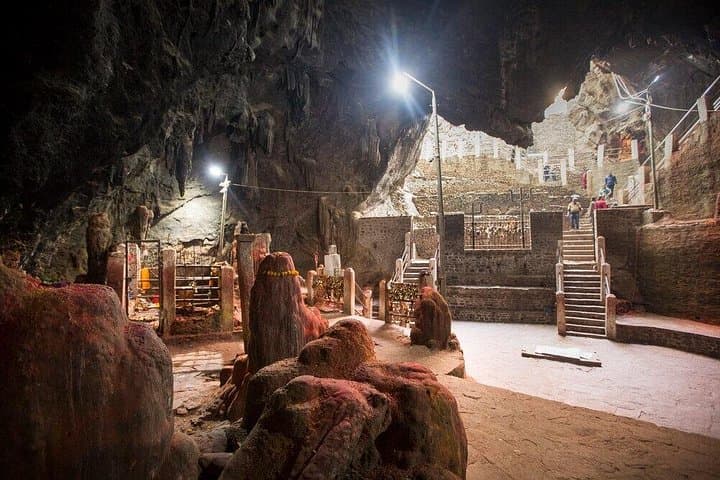
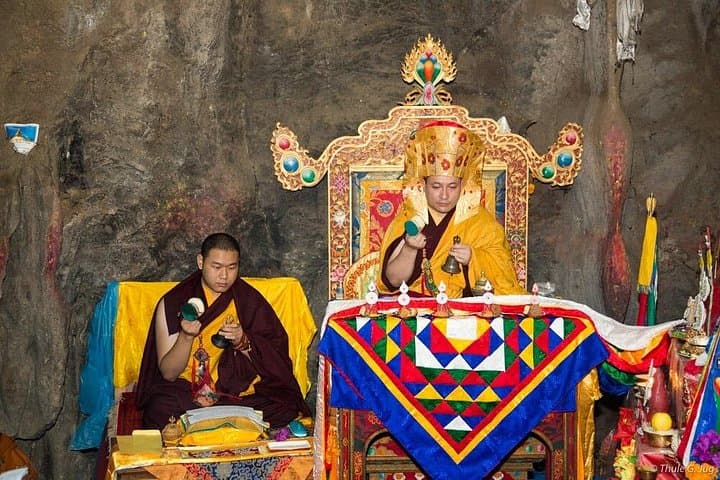
Maratika is both Hindu shrine and Buddhist pilgrimage site. Tibetan texts from the 12th century mention Guru Padmasambhava and Mandarava here, and local lore links the cave to practices of longevity. Geologically the cave forms in limestone and schist of Nepal’s middle hills; water has carved inner chambers and smooth rock floors over millennia. Culturally, the site illustrates the region’s syncretic faiths—Tamang, Rai, and other local communities maintain ritual schedules, and you’ll see votive offerings and incense-smoke patterns that tell stories of devotion.
On a practical level the tour is a three-day jeep loop from Kathmandu with two nights’ accommodation near the temple, short walks on uneven stone paths, and periods of sitting during drives. Expect dusty rural roads, steep ascents by vehicle, and a compact site where shoes are exchanged for reverence. Bring layers for cool cave air and sun for exposed ridge stops; hydration and modest clothing are essential. Allow extra time for photography, quiet reflection, and brief talks with local caretakers—these moments explain more than any guidebook.
This trip suits travelers after cultural depth with easy-to-moderate physical demands: you arrive by vehicle, but engage on foot. Time your visit outside heavy monsoon to keep roads reliable and the views clear.
This tour uses a private jeep over unpaved hilly roads; the trip is approximately three days roundtrip with stops—private transfers are included in guided itineraries.
The cave and temple complex include steps and narrow passages; travelers with significant mobility limitations may find access difficult and should consult the operator before booking.
Local temple donations or small site fees may apply; the tour description often includes admission for the cave visit but carry small Nepali currency for donations.
Spring (March–May) and fall (September–November) offer the most stable weather and clear views; monsoon months can make rural roads slippery and less reliable.
Premier Adventure & Holidays operates guided outdoor trips and adventures with an emphasis on safety, stewardship, and memorable experiences.


The road leaves Kathmandu behind in a ribbon of terraces and roadside tea stalls; the jeep shudders up through green hills while the Dudh Koshi and Sunkoshi rivers argue for attention below. By late afternoon the temple complex at Halesi appears on a ridge, prayer flags snapping like small voices, and the cave mouth—Maratika—awaits with a cool, quiet gravity.
The road leaves Kathmandu behind in a ribbon of terraces and roadside tea stalls; the jeep shudders up through green hills while the Dudh Koshi and Sunkoshi rivers argue for attention below. By late afternoon the temple complex at Halesi appears on a ridge, prayer flags snapping like small voices, and the cave mouth—Maratika—awaits with a cool, quiet gravity.
Maratika is both Hindu shrine and Buddhist pilgrimage site. Tibetan texts from the 12th century mention Guru Padmasambhava and Mandarava here, and local lore links the cave to practices of longevity. Geologically the cave forms in limestone and schist of Nepal’s middle hills; water has carved inner chambers and smooth rock floors over millennia. Culturally, the site illustrates the region’s syncretic faiths—Tamang, Rai, and other local communities maintain ritual schedules, and you’ll see votive offerings and incense-smoke patterns that tell stories of devotion.
On a practical level the tour is a three-day jeep loop from Kathmandu with two nights’ accommodation near the temple, short walks on uneven stone paths, and periods of sitting during drives. Expect dusty rural roads, steep ascents by vehicle, and a compact site where shoes are exchanged for reverence. Bring layers for cool cave air and sun for exposed ridge stops; hydration and modest clothing are essential. Allow extra time for photography, quiet reflection, and brief talks with local caretakers—these moments explain more than any guidebook.
This trip suits travelers after cultural depth with easy-to-moderate physical demands: you arrive by vehicle, but engage on foot. Time your visit outside heavy monsoon to keep roads reliable and the views clear.