THE ADVENTURE COLLECTIVE® · Independent discovery and booking for outdoor travel

Explore the karst peaks and hidden caves of Marble Mountain on a short private tour from Da Nang. Visit hilltop pagodas, enter cavern sanctuaries and meet stone carvers in Non Nuoc Village.
Explore the karst peaks and hidden caves of Marble Mountain on a short private tour from Da Nang. Visit hilltop pagodas, enter cavern sanctuaries and meet stone carvers in Non Nuoc Village.
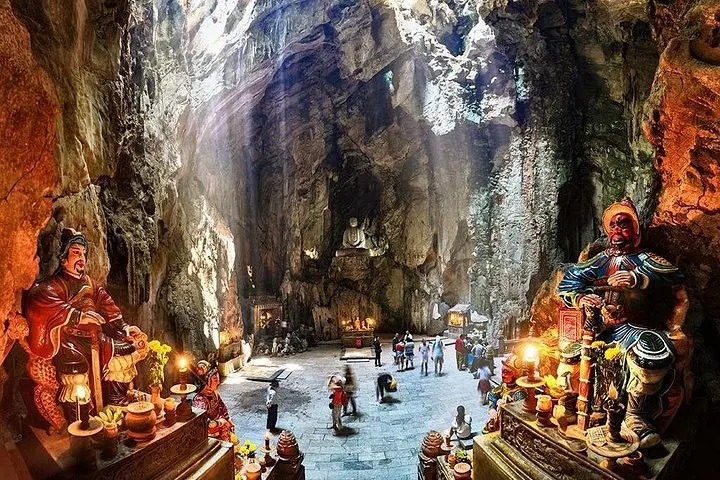
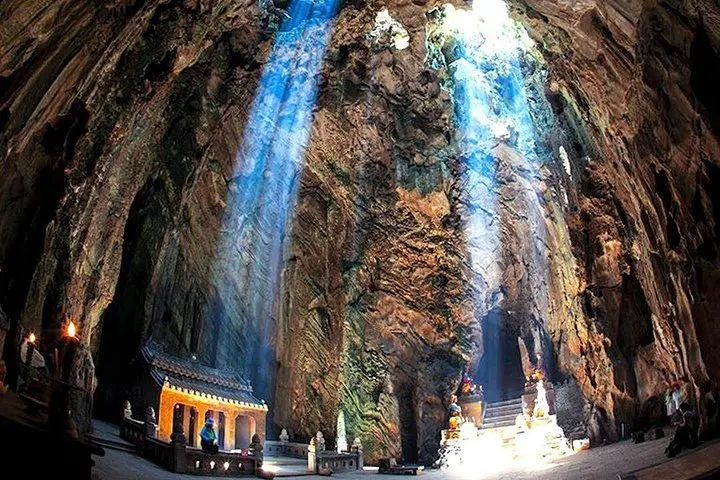
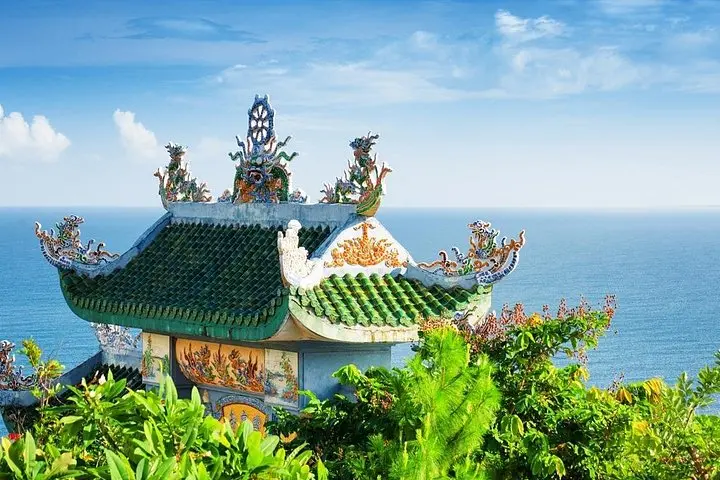
Morning light slices between the five limestone spines of Marble Mountain, dust motes spinning like tiny pilgrims as visitors step from an air-conditioned van onto sun-warmed stone. Stairs climb through carved grottoes and temple courtyards; wind brushes through palm fronds and the low chant of prayer threads the air. The mountains—named for the five classical elements—rise abruptly from coastal rice plain to reveal cave sanctuaries and cliffside viewpoints that watch over Da Nang and the South China Sea.
Verified experiences and guided adventures in the surrounding area.
Operated by Vietnam Sightseeing · Da Nang, Da Nang
Morning light slices between the five limestone spines of Marble Mountain, dust motes spinning like tiny pilgrims as visitors step from an air-conditioned van onto sun-warmed stone. Stairs climb through carved grottoes and temple courtyards; wind brushes through palm fronds and the low chant of prayer threads the air. The mountains—named for the five classical elements—rise abruptly from coastal rice plain to reveal cave sanctuaries and cliffside viewpoints that watch over Da Nang and the South China Sea.
Geologically the range is karst limestone and marble, pocked with caverns formed by millennia of rain and reef uplift. Human hands have worked this stone for centuries: Non Nuoc Village at the mountain’s base has exported carved statuary and household pieces since the 17th century, and many of the shrines tucked inside the hills date to the same wave of Buddhist activity that shaped central Vietnam’s coastal culture.
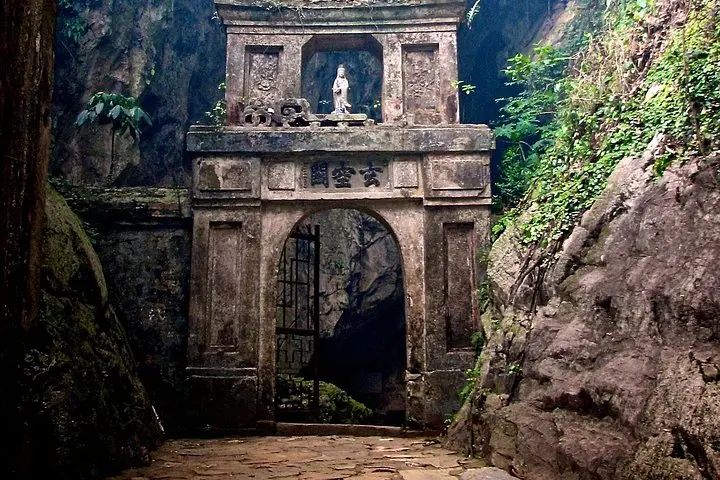
On a short private tour expect 2–3 hours of gentle climbing, temple visits, cave exploration (Huyen Khong and Tang Chon are common stops) and a walk among artisans in workshops where chisels chip away at raw marble.
Practical: bring sturdy shoes for uneven steps, modest clothing for sacred sites, and cash for entrance fees or purchases. Mornings offer cooler air and clearer views; afternoons can turn humid or rainy during the wet season. Respect temple etiquette, avoid touching fragile carvings, and allow time for the quiet observation that makes Marble Mountain more than a photo stop—it’s a living slice of geology and devotion.
Typical visits last about 2–3 hours, with time split between cave temples, viewpoints and the Non Nuoc stone village.
Yes—paths are mostly stairways and easy trails; however those with mobility issues may find steps challenging and should check accessibility details in advance.
This tour description indicates admission is included; always confirm at booking and carry ID or booking confirmation.
Yes—workshops sell finished pieces and souvenirs; bring cash and expect to negotiate prices for hand-carved items.
Vietnam Sightseeing operates guided outdoor trips and adventures with an emphasis on safety, stewardship, and memorable experiences.
Morning light slices between the five limestone spines of Marble Mountain, dust motes spinning like tiny pilgrims as visitors step from an air-conditioned van onto sun-warmed stone. Stairs climb through carved grottoes and temple courtyards; wind brushes through palm fronds and the low chant of prayer threads the air. The mountains—named for the five classical elements—rise abruptly from coastal rice plain to reveal cave sanctuaries and cliffside viewpoints that watch over Da Nang and the South China Sea.
Morning light slices between the five limestone spines of Marble Mountain, dust motes spinning like tiny pilgrims as visitors step from an air-conditioned van onto sun-warmed stone. Stairs climb through carved grottoes and temple courtyards; wind brushes through palm fronds and the low chant of prayer threads the air. The mountains—named for the five classical elements—rise abruptly from coastal rice plain to reveal cave sanctuaries and cliffside viewpoints that watch over Da Nang and the South China Sea.
Geologically the range is karst limestone and marble, pocked with caverns formed by millennia of rain and reef uplift. Human hands have worked this stone for centuries: Non Nuoc Village at the mountain’s base has exported carved statuary and household pieces since the 17th century, and many of the shrines tucked inside the hills date to the same wave of Buddhist activity that shaped central Vietnam’s coastal culture.
On a short private tour expect 2–3 hours of gentle climbing, temple visits, cave exploration (Huyen Khong and Tang Chon are common stops) and a walk among artisans in workshops where chisels chip away at raw marble.
Practical: bring sturdy shoes for uneven steps, modest clothing for sacred sites, and cash for entrance fees or purchases. Mornings offer cooler air and clearer views; afternoons can turn humid or rainy during the wet season. Respect temple etiquette, avoid touching fragile carvings, and allow time for the quiet observation that makes Marble Mountain more than a photo stop—it’s a living slice of geology and devotion.