THE ADVENTURE COLLECTIVE® · Independent discovery and booking for outdoor travel

Climb marble-carved stairways, visit Huyen Khong Cave and finish under the lantern-lit lanes of Hoi An. This full-day tour from Da Nang blends geology, craft villages and evening market life into a single accessible outing.
Climb marble-carved stairways, visit Huyen Khong Cave and finish under the lantern-lit lanes of Hoi An. This full-day tour from Da Nang blends geology, craft villages and evening market life into a single accessible outing.
You step out of the van into a pocket of limestone cliffs and chanting wind—Marble Mountain’s carved stairways rising like a small range above the coastal plain. Stale incense and sea air mix as you climb through caves where light slices through temple doorways, then open onto a bluff with a panoramic seam of ocean and city.
Verified experiences and guided adventures in the surrounding area.
Operated by La Bàn tour · Da Nang, Da Nang
You step out of the van into a pocket of limestone cliffs and chanting wind—Marble Mountain’s carved stairways rising like a small range above the coastal plain. Stale incense and sea air mix as you climb through caves where light slices through temple doorways, then open onto a bluff with a panoramic seam of ocean and city.
These five peaks—Thuy, Moc, Tho, Kim and Hoa—have been carved by centuries of artisans and pilgrims. Geologically, the outcrops are Jurassic limestone, eroded into caverns and talus slopes; culturally, they became Buddhist sanctuaries and a hub for stone carving that feeds craft villages nearby. Later, Hoi An’s old port reshaped the region’s trade routes—Japanese merchants left a wooden covered bridge in the 17th century, and the town’s narrow lanes preserve merchant houses and riverside storefronts.
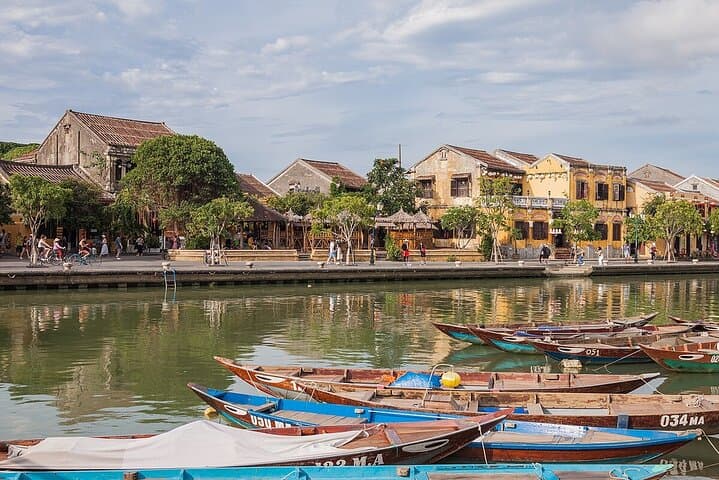
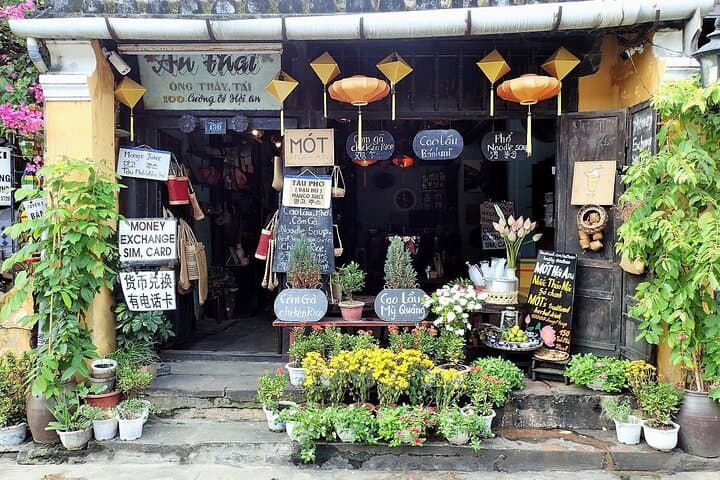
By evening the Hoai River asserts itself, carrying lanterns like slow, deliberate boats that compete with the reflections of shopfronts. The market fills with local snacks—Cao Lau noodles, sesame pancakes—and small workshops where artisans still chisel figures from Non Nuoc marble.
Practical edge: this is a low-impact day trip of walking, stairs and short climbs—bring steady shoes, a refillable water bottle, and a light rain layer in the wet months. Expect guided transfers from central Da Nang, admission to main Marble Mountain sites, and 5–6 hours on the road with time to wander Hoi An’s old quarter at dusk. Move respectfully through pagodas, keep valuables secure in the crowded market, and plan for warm, humid conditions most of the year.
Yes—this tour includes admission to the main Marble Mountain sites and the core Hoi An old-town stops listed in the itinerary.
Pickup is typically from hotels in central Da Nang; confirm your pickup point at booking—drop-off is usually back in Da Nang or nearby by arrangement.
There are many stairs and uneven paths at Marble Mountains and narrow lanes in Hoi An; it’s not recommended for travelers with serious mobility limitations or poor cardiovascular health.
Evening is best—arrive after sunset when riverside lanterns and market stalls are lit; weekdays are less crowded than weekends and full-moon festival nights draw larger crowds.
La Bàn tour operates guided outdoor trips and adventures with an emphasis on safety, stewardship, and memorable experiences.


You step out of the van into a pocket of limestone cliffs and chanting wind—Marble Mountain’s carved stairways rising like a small range above the coastal plain. Stale incense and sea air mix as you climb through caves where light slices through temple doorways, then open onto a bluff with a panoramic seam of ocean and city.
You step out of the van into a pocket of limestone cliffs and chanting wind—Marble Mountain’s carved stairways rising like a small range above the coastal plain. Stale incense and sea air mix as you climb through caves where light slices through temple doorways, then open onto a bluff with a panoramic seam of ocean and city.
These five peaks—Thuy, Moc, Tho, Kim and Hoa—have been carved by centuries of artisans and pilgrims. Geologically, the outcrops are Jurassic limestone, eroded into caverns and talus slopes; culturally, they became Buddhist sanctuaries and a hub for stone carving that feeds craft villages nearby. Later, Hoi An’s old port reshaped the region’s trade routes—Japanese merchants left a wooden covered bridge in the 17th century, and the town’s narrow lanes preserve merchant houses and riverside storefronts.
By evening the Hoai River asserts itself, carrying lanterns like slow, deliberate boats that compete with the reflections of shopfronts. The market fills with local snacks—Cao Lau noodles, sesame pancakes—and small workshops where artisans still chisel figures from Non Nuoc marble.
Practical edge: this is a low-impact day trip of walking, stairs and short climbs—bring steady shoes, a refillable water bottle, and a light rain layer in the wet months. Expect guided transfers from central Da Nang, admission to main Marble Mountain sites, and 5–6 hours on the road with time to wander Hoi An’s old quarter at dusk. Move respectfully through pagodas, keep valuables secure in the crowded market, and plan for warm, humid conditions most of the year.