THE ADVENTURE COLLECTIVE® · Independent discovery and booking for outdoor travel

A compact 5‑day trek from Pokhara that earns dramatic sunrise views over Mardi Himal and the Annapurna range. Remote teahouse nights and a pre‑dawn ascent make this an efficient Himalayan experience for fit, time‑limited trekkers.
A compact 5‑day trek from Pokhara that earns dramatic sunrise views over Mardi Himal and the Annapurna range. Remote teahouse nights and a pre‑dawn ascent make this an efficient Himalayan experience for fit, time‑limited trekkers.
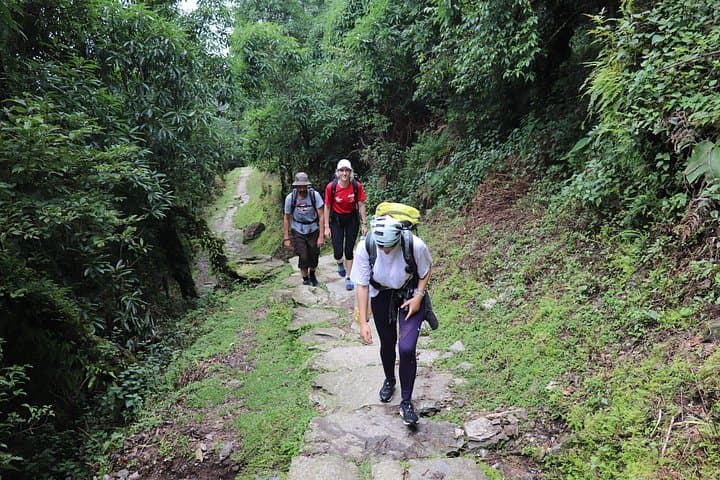
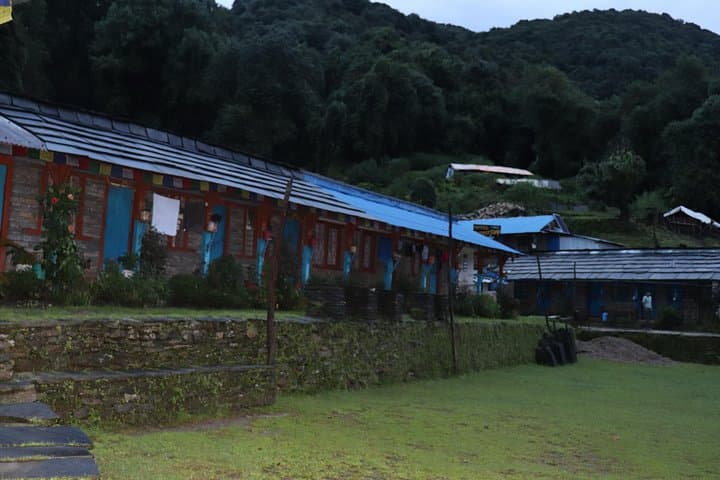
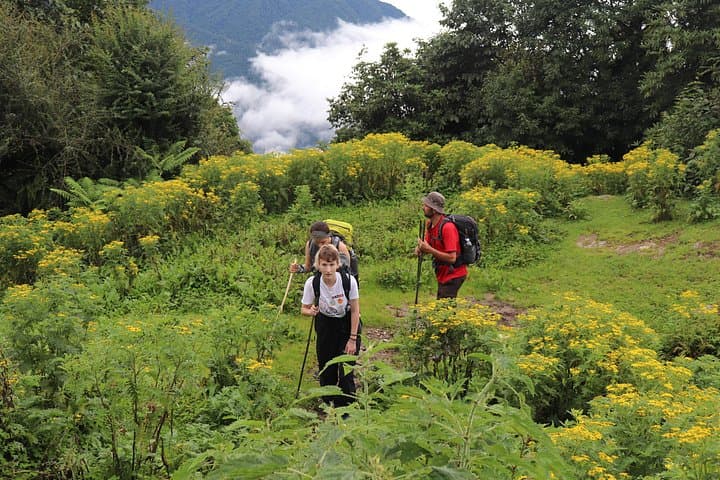
Dawn breaks over the Annapurna Range and you move through a rib of forest lit by pale light, water droplets on rhododendron leaves daring you onward. The trail climbs steadily from Khande, passing tea houses and terraces until the ridge opens and the Himalaya fill the horizon: Annapurna South, Himchuli and the fish‑tailed Machapuchare standing like watchful peaks.
Verified experiences and guided adventures in the surrounding area.
Operated by Nepal_first · Pokhara, Gandaki Province
Dawn breaks over the Annapurna Range and you move through a rib of forest lit by pale light, water droplets on rhododendron leaves daring you onward. The trail climbs steadily from Khande, passing tea houses and terraces until the ridge opens and the Himalaya fill the horizon: Annapurna South, Himchuli and the fish‑tailed Machapuchare standing like watchful peaks.
The route threads through the Annapurna Conservation Area, an ancient landscape carved by tectonic lift and glacial sculpting. Local Magar and Gurung villages dot the lower slopes; their stone houses and prayer flags are reminders of mountain agriculture and centuries of pilgrimage and trade across these passes. Geologically the area reveals stacked limestone and metamorphic rock—steep gullies that channel snowmelt and create the verdant forests below.
Expect a pragmatic trek: four to six hours of walking most days, simple teahouse lodging, and an early pre‑sunrise push to Mardi Himal basecamp or the nearby viewpoint for the light show. Permits (TIMS and ACAP) are required and are normally handled with your booking. Weather shifts fast—mornings are cold, afternoons can be warm; the ridge can blow hard.
Practically, prioritize layers, steady footwear, and a slow ascent to reduce altitude effects. Carry water purification and snacks; tea houses provide meals but options thin at higher camps. The final descent to Sidhing is long but rewards you with valley views and the ride back to Pokhara. This is a compact Himalayan trek—short on days, big on mountain perspective.
Spring (March–May) and autumn (September–November) offer the most stable weather and clear mountain views; monsoon brings heavy rain and winter brings cold and snow at higher camps.
Yes—TIMS and the Annapurna Conservation Area Project (ACAP) permits are required; operators typically handle these as part of the booking.
The final push is steep and can be rocky; it requires good footing and steady pacing but no technical climbing skills.
Accommodation is in basic teahouses/homestays—rooms are simple, bedding provided, and hot meals are available but menus narrow higher up.
Nepal_first operates guided outdoor trips and adventures with an emphasis on safety, stewardship, and memorable experiences.
Dawn breaks over the Annapurna Range and you move through a rib of forest lit by pale light, water droplets on rhododendron leaves daring you onward. The trail climbs steadily from Khande, passing tea houses and terraces until the ridge opens and the Himalaya fill the horizon: Annapurna South, Himchuli and the fish‑tailed Machapuchare standing like watchful peaks.
Dawn breaks over the Annapurna Range and you move through a rib of forest lit by pale light, water droplets on rhododendron leaves daring you onward. The trail climbs steadily from Khande, passing tea houses and terraces until the ridge opens and the Himalaya fill the horizon: Annapurna South, Himchuli and the fish‑tailed Machapuchare standing like watchful peaks.
The route threads through the Annapurna Conservation Area, an ancient landscape carved by tectonic lift and glacial sculpting. Local Magar and Gurung villages dot the lower slopes; their stone houses and prayer flags are reminders of mountain agriculture and centuries of pilgrimage and trade across these passes. Geologically the area reveals stacked limestone and metamorphic rock—steep gullies that channel snowmelt and create the verdant forests below.
Expect a pragmatic trek: four to six hours of walking most days, simple teahouse lodging, and an early pre‑sunrise push to Mardi Himal basecamp or the nearby viewpoint for the light show. Permits (TIMS and ACAP) are required and are normally handled with your booking. Weather shifts fast—mornings are cold, afternoons can be warm; the ridge can blow hard.
Practically, prioritize layers, steady footwear, and a slow ascent to reduce altitude effects. Carry water purification and snacks; tea houses provide meals but options thin at higher camps. The final descent to Sidhing is long but rewards you with valley views and the ride back to Pokhara. This is a compact Himalayan trek—short on days, big on mountain perspective.