THE ADVENTURE COLLECTIVE® · Independent discovery and booking for outdoor travel

A compact 6‑day trek from Pokhara up to 4,500 m, the Mardi Himal route offers close‑range views of Annapurna and Machapuchare with quiet teahouse nights and significant elevation gain. Ideal for trekkers seeking high‑mountain panoramas without the crowds of other Annapurna trails.
A compact 6‑day trek from Pokhara up to 4,500 m, the Mardi Himal route offers close‑range views of Annapurna and Machapuchare with quiet teahouse nights and significant elevation gain. Ideal for trekkers seeking high‑mountain panoramas without the crowds of other Annapurna trails.
Dawn at Deurali feels like the landscape is holding its breath: a narrow trail threads through fir and rhododendron, the wind pushing cold air down from the high ridges while Machapuchare and Annapurna I watch the hikers below.
Verified experiences and guided adventures in the surrounding area.
Operated by Swami Narayan Travels Pvt Ltd · Pokhara, Gandaki Province
Dawn at Deurali feels like the landscape is holding its breath: a narrow trail threads through fir and rhododendron, the wind pushing cold air down from the high ridges while Machapuchare and Annapurna I watch the hikers below.
The Mardi Himal route is a relatively new corridor in the Annapurna massif, opened more widely in the last decade as an alternative to busier circuits. Geologically, the trail climbs through terraced foothills into glacially carved valleys — expect steep, rocky switchbacks and moraine‑touched scree nearer the base camp. Local Gurung and Magar communities maintain guesthouses along the route, and teahouse hospitality keeps the human scale intact: small kitchens, drying socks on bamboo racks, and shared stories over dal bhat.
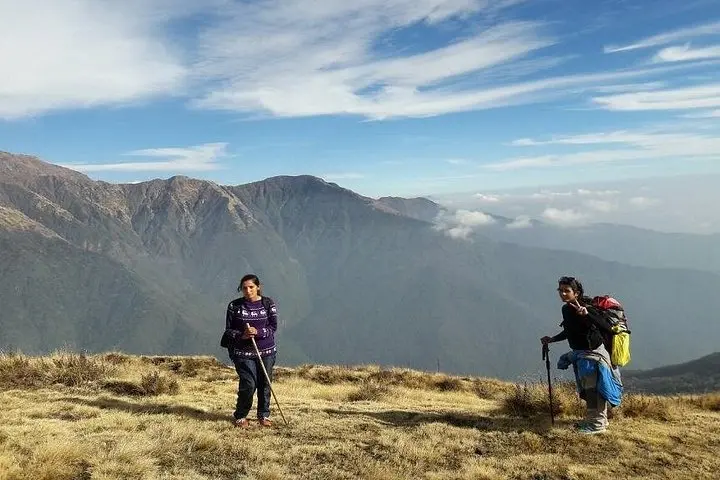
On Day 4 the path rises above the treeline toward the 4,500 m Base Camp, where the wind scours the slopes and snow fields outline the higher ridgelines. The mountain scenery here has a blunt, direct quality — peaks loom and rivers carve, not politely but insistently.
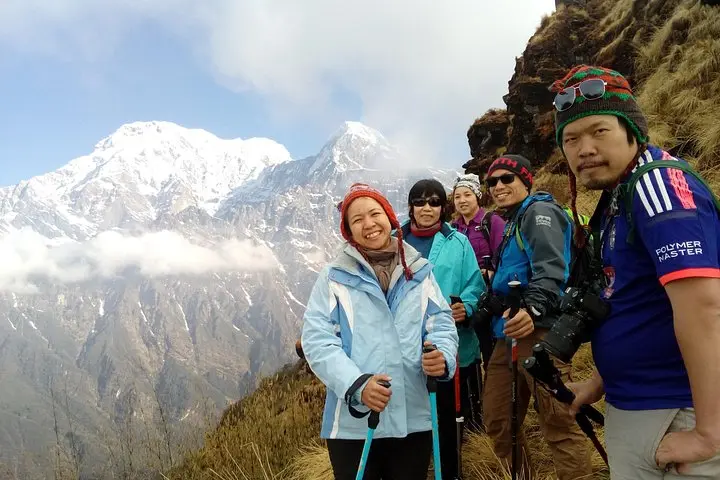
Practical guidance: allow gradual ascent for acclimatization, carry a layered system for sharp temperature swings, and plan early starts for summit glimpses before afternoon clouds. A licensed guide and TIMS/permit are standard; guesthouses supply basic hot meals and simple beds but bring a lightweight sleeping liner if you prefer extra warmth. Water purification, trekking poles, and sturdy boots reduce strain on knees during long descents. Expect 5–6 days on trail with steady elevation gain; weather windows are best in autumn and spring. Respect local trails and pack out any non‑biodegradable waste — the region’s fragile alpine ridges recover slowly.
Yes — a TIMS card and the Annapurna Conservation Area Permit (ACAP) are required; local operators typically arrange these before departure.
The route reaches 4,500 m quickly relative to trail length; physical fitness and gradual pacing help, but altitude effects are possible even for fit trekkers.
Teahouse guesthouses provide basic private or shared rooms, hot meals, and common areas; expect simple bedding and shared bathroom facilities at higher elevations.
Spring (March–May) and autumn (September–November) offer the most stable weather and clear views; monsoon summer brings heavy rain and winter brings cold with snow on higher stretches.
Swami Narayan Travels Pvt Ltd operates guided outdoor trips and adventures with an emphasis on safety, stewardship, and memorable experiences.
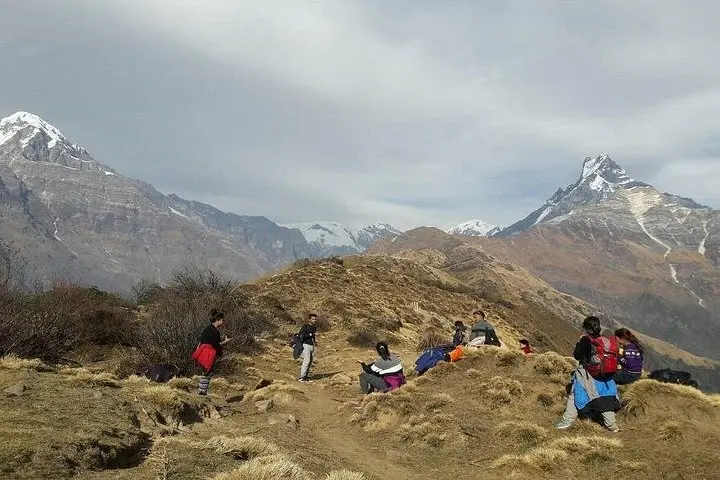
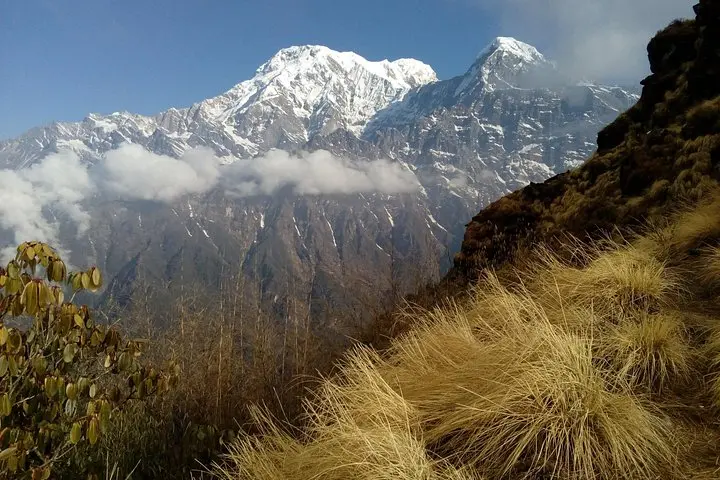
Dawn at Deurali feels like the landscape is holding its breath: a narrow trail threads through fir and rhododendron, the wind pushing cold air down from the high ridges while Machapuchare and Annapurna I watch the hikers below.
Dawn at Deurali feels like the landscape is holding its breath: a narrow trail threads through fir and rhododendron, the wind pushing cold air down from the high ridges while Machapuchare and Annapurna I watch the hikers below.
The Mardi Himal route is a relatively new corridor in the Annapurna massif, opened more widely in the last decade as an alternative to busier circuits. Geologically, the trail climbs through terraced foothills into glacially carved valleys — expect steep, rocky switchbacks and moraine‑touched scree nearer the base camp. Local Gurung and Magar communities maintain guesthouses along the route, and teahouse hospitality keeps the human scale intact: small kitchens, drying socks on bamboo racks, and shared stories over dal bhat.
On Day 4 the path rises above the treeline toward the 4,500 m Base Camp, where the wind scours the slopes and snow fields outline the higher ridgelines. The mountain scenery here has a blunt, direct quality — peaks loom and rivers carve, not politely but insistently.
Practical guidance: allow gradual ascent for acclimatization, carry a layered system for sharp temperature swings, and plan early starts for summit glimpses before afternoon clouds. A licensed guide and TIMS/permit are standard; guesthouses supply basic hot meals and simple beds but bring a lightweight sleeping liner if you prefer extra warmth. Water purification, trekking poles, and sturdy boots reduce strain on knees during long descents. Expect 5–6 days on trail with steady elevation gain; weather windows are best in autumn and spring. Respect local trails and pack out any non‑biodegradable waste — the region’s fragile alpine ridges recover slowly.