THE ADVENTURE COLLECTIVE® · Independent discovery and booking for outdoor travel

A quieter alternative to busier Annapurna trails, the Mardi Himal Base Camp trek is a seven-day route from Pokhara that reaches about 4,500 m. Expect teahouse nights, panoramic Annapurna views, and steady altitude gain through forests and high ridgelines.
A quieter alternative to busier Annapurna trails, the Mardi Himal Base Camp trek is a seven-day route from Pokhara that reaches about 4,500 m. Expect teahouse nights, panoramic Annapurna views, and steady altitude gain through forests and high ridgelines.
You step out of a Pokhara minivan into thin, cool air and begin climbing switchbacks that thread through rhododendron and pine. The trail pulls you upward from Kande to Australian Camp, where the Annapurna range first opens like a row of sentries, then on through villages that keep time with yak bells and wood-fired kitchens.
Verified experiences and guided adventures in the surrounding area.
Operated by Couch Adventure Nepal (CAN) · Pokhara, Gandaki Province
You step out of a Pokhara minivan into thin, cool air and begin climbing switchbacks that thread through rhododendron and pine. The trail pulls you upward from Kande to Australian Camp, where the Annapurna range first opens like a row of sentries, then on through villages that keep time with yak bells and wood-fired kitchens.
The route follows longstanding mountain trails used by local Gurung and Magar communities; stone teahouses and terraces recall centuries of subsistence farming carved from steep slopes. Geologically, this sector of the Himalaya is young and uplifted—sharp ridgelines and glaciated cirques define the skyline—and Mardi Himal itself sits in the rain-shadow flank of Annapurna, giving drier, exposed viewpoints at higher camps.
Culturally, expect simple hospitality: guesthouse stays, shared meals, and opportunities to meet guides who grew up on these slopes. Practically, the trek is seven days round-trip from Pokhara with daily walking of roughly 4–7 hours, maximum sleeping altitude around 3,580 m at High Camp and a day ascent to Base Camp at ~4,500 m. Permits (TIMS and ACAP) are required and typically handled by operators.
Plan for altitude adjustment, layered clothing for large day-to-night swings, and steady pacing on loose scree above Low Camp. Water treatment and trekking poles make long ascents easier; early starts deliver the clearest mountain views. This route is less crowded than the main Annapurna Circuit but still demands respect for weather, elevation, and basic backcountry skills.
The itinerary reaches roughly 4,500 m at Mardi Himal Base Camp with a typical schedule of seven days round-trip from Pokhara.
Yes—ACAP (Annapurna Conservation Area Permit) and a TIMS card are required; most operators handle permit processing before departure.
Teahouse-style guesthouses provide simple dorm or twin rooms and set meals (dal bhat, soups, noodles); options narrow above Low Camp so bring snacks you prefer.
Spring (March–May) and fall (Sept–Nov) offer the clearest views and stable weather; monsoon (summer) is wet and winter can bring cold, snowy conditions at higher camps.
Couch Adventure Nepal (CAN) operates guided outdoor trips and adventures with an emphasis on safety, stewardship, and memorable experiences.
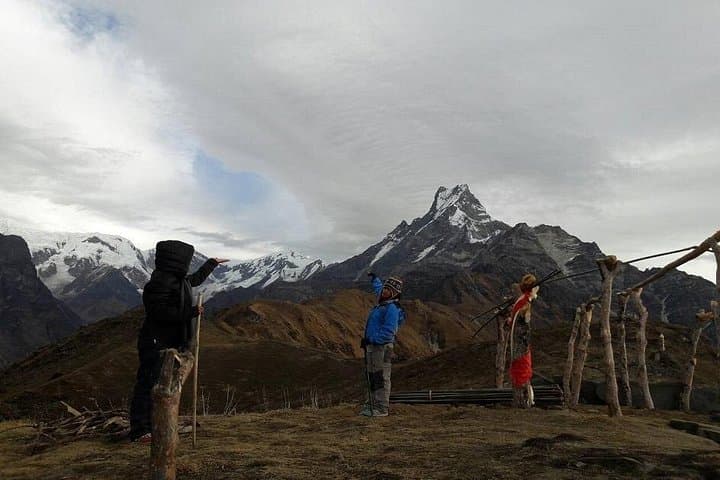
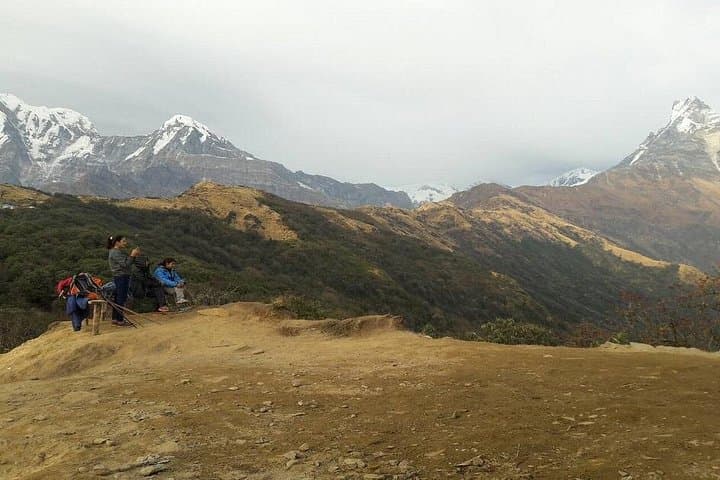
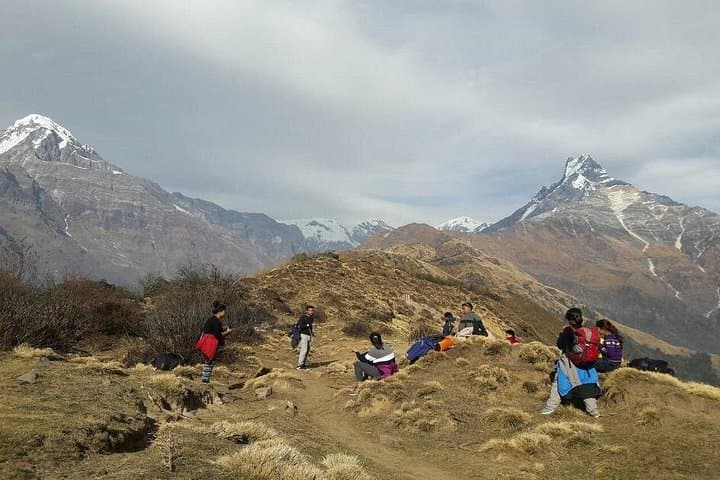
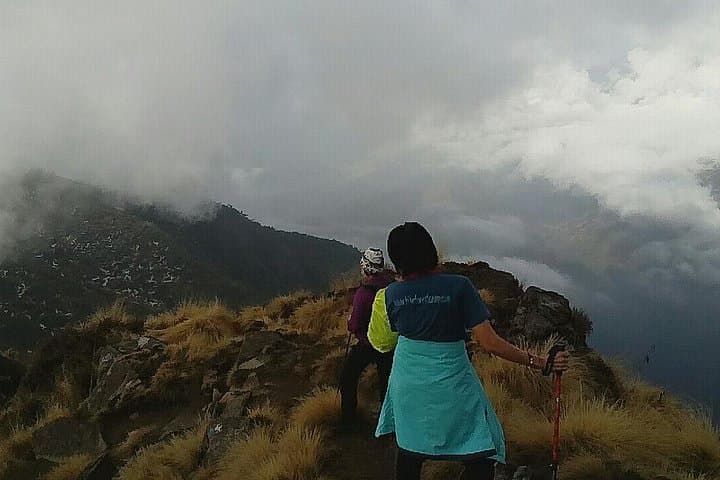
You step out of a Pokhara minivan into thin, cool air and begin climbing switchbacks that thread through rhododendron and pine. The trail pulls you upward from Kande to Australian Camp, where the Annapurna range first opens like a row of sentries, then on through villages that keep time with yak bells and wood-fired kitchens.
You step out of a Pokhara minivan into thin, cool air and begin climbing switchbacks that thread through rhododendron and pine. The trail pulls you upward from Kande to Australian Camp, where the Annapurna range first opens like a row of sentries, then on through villages that keep time with yak bells and wood-fired kitchens.
The route follows longstanding mountain trails used by local Gurung and Magar communities; stone teahouses and terraces recall centuries of subsistence farming carved from steep slopes. Geologically, this sector of the Himalaya is young and uplifted—sharp ridgelines and glaciated cirques define the skyline—and Mardi Himal itself sits in the rain-shadow flank of Annapurna, giving drier, exposed viewpoints at higher camps.
Culturally, expect simple hospitality: guesthouse stays, shared meals, and opportunities to meet guides who grew up on these slopes. Practically, the trek is seven days round-trip from Pokhara with daily walking of roughly 4–7 hours, maximum sleeping altitude around 3,580 m at High Camp and a day ascent to Base Camp at ~4,500 m. Permits (TIMS and ACAP) are required and typically handled by operators.
Plan for altitude adjustment, layered clothing for large day-to-night swings, and steady pacing on loose scree above Low Camp. Water treatment and trekking poles make long ascents easier; early starts deliver the clearest mountain views. This route is less crowded than the main Annapurna Circuit but still demands respect for weather, elevation, and basic backcountry skills.