THE ADVENTURE COLLECTIVE® · Independent discovery and booking for outdoor travel

A compact, 3-night tea-house trek that delivers close-range views of Annapurna and Machapuchare. Ideal for trekkers short on time who still want a high-elevation sunrise and village culture.
A compact, 3-night tea-house trek that delivers close-range views of Annapurna and Machapuchare. Ideal for trekkers short on time who still want a high-elevation sunrise and village culture.
A cool pre-dawn wind slips through rhododendron and oak as trekkers step out of a tea house toward a sky full of Himalayan clarity. The trail rises quickly after a short drive from Pokhara, threading through terraced fields and traditional Gurung villages before entering a quiet band of forest that guards the higher ridgelines. By sunrise at the viewpoint, Annapurna South and Machapuchare stand like weathered cliffs sharpened by distance.
Verified experiences and guided adventures in the surrounding area.
Operated by Swissa Adventure Travel & Treks · Pokhara, Gandaki Province
A cool pre-dawn wind slips through rhododendron and oak as trekkers step out of a tea house toward a sky full of Himalayan clarity. The trail rises quickly after a short drive from Pokhara, threading through terraced fields and traditional Gurung villages before entering a quiet band of forest that guards the higher ridgelines. By sunrise at the viewpoint, Annapurna South and Machapuchare stand like weathered cliffs sharpened by distance.
The route follows a newer trail developed for shorter itineraries east of the Annapurna Base Camp corridor. Geologically the ridges are folded metamorphic rock, carved by glacial action that opened broad south-facing valleys; culturally the area is shaped by Gurung and Magar farming communities who run the tea houses and maintain the footpaths. The trek emphasizes forest and wilderness: lower rhododendron, mid-elevation oak and fir, and open saddles revealing the Annapurna massif.
Practically, this is a compact, moderate trek: expect long first-day walking (6–7 hours from Kande), a steep climb to High Camp, a 1.5-hour pre-dawn push to the viewpoint, then descent to Lumre and return to Pokhara. Permits (ACAP/TIMS) are required and usually handled by guides; tea-house accommodation and meals are standard. Altitude reaches roughly 3,200–3,600 m at high camp and viewpoints, so acclimatize, carry layered insulation and a basic first-aid kit, and plan for rapidly changing weather. The trail rewards with intimate mountain views, quiet forests, friendly village stops, and a short, achievable taste of the Annapurna high country.
Yes—ACAP and TIMS permits are required for the Annapurna region; local operators usually arrange them before departure.
High Camp and the viewpoint are approximately 3,200–3,600 meters; symptoms of altitude sickness are possible, so hydrate and ascend steadily.
Typical packages include tea-house accommodation and three meals a day on trek days; confirm specifics with the operator.
Moderate—long walking days and steep sections require decent aerobic fitness, but no technical climbing skills are needed.
Swissa Adventure Travel & Treks operates guided outdoor trips and adventures with an emphasis on safety, stewardship, and memorable experiences.
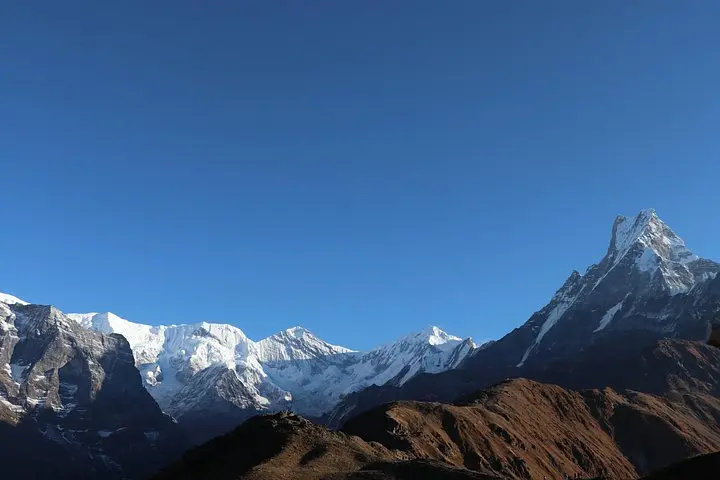
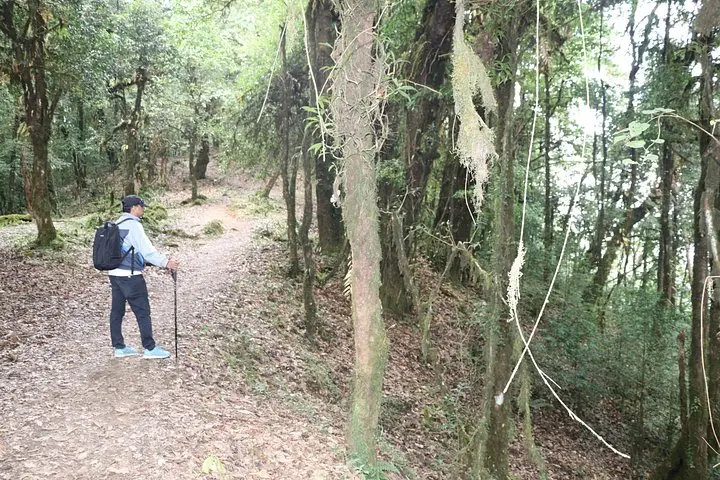
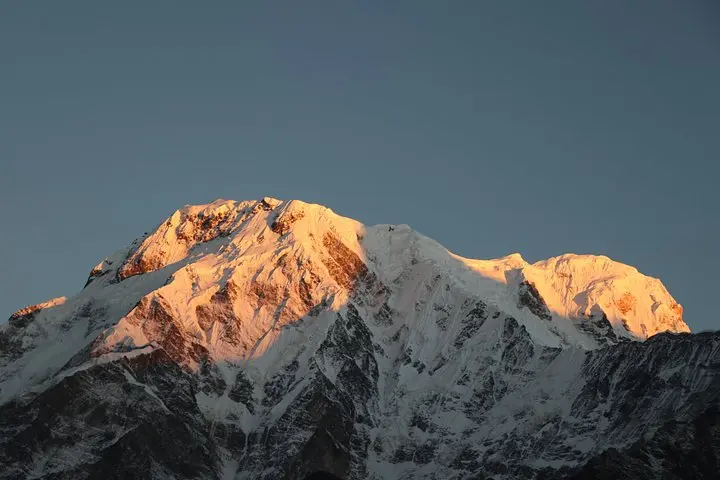
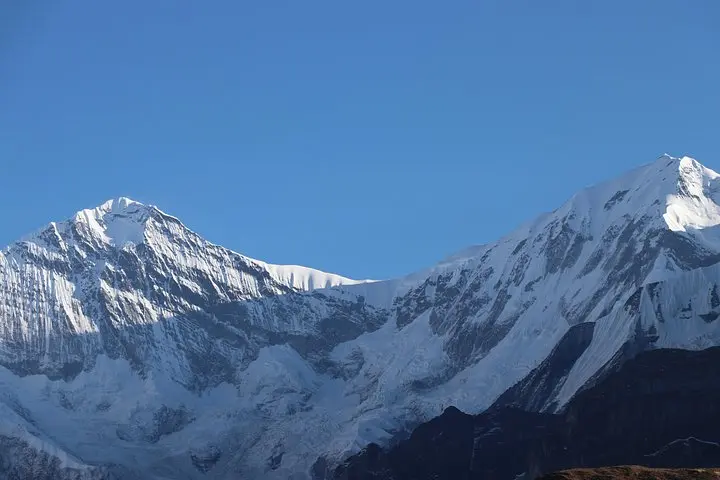
A cool pre-dawn wind slips through rhododendron and oak as trekkers step out of a tea house toward a sky full of Himalayan clarity. The trail rises quickly after a short drive from Pokhara, threading through terraced fields and traditional Gurung villages before entering a quiet band of forest that guards the higher ridgelines. By sunrise at the viewpoint, Annapurna South and Machapuchare stand like weathered cliffs sharpened by distance.
A cool pre-dawn wind slips through rhododendron and oak as trekkers step out of a tea house toward a sky full of Himalayan clarity. The trail rises quickly after a short drive from Pokhara, threading through terraced fields and traditional Gurung villages before entering a quiet band of forest that guards the higher ridgelines. By sunrise at the viewpoint, Annapurna South and Machapuchare stand like weathered cliffs sharpened by distance.
The route follows a newer trail developed for shorter itineraries east of the Annapurna Base Camp corridor. Geologically the ridges are folded metamorphic rock, carved by glacial action that opened broad south-facing valleys; culturally the area is shaped by Gurung and Magar farming communities who run the tea houses and maintain the footpaths. The trek emphasizes forest and wilderness: lower rhododendron, mid-elevation oak and fir, and open saddles revealing the Annapurna massif.
Practically, this is a compact, moderate trek: expect long first-day walking (6–7 hours from Kande), a steep climb to High Camp, a 1.5-hour pre-dawn push to the viewpoint, then descent to Lumre and return to Pokhara. Permits (ACAP/TIMS) are required and usually handled by guides; tea-house accommodation and meals are standard. Altitude reaches roughly 3,200–3,600 m at high camp and viewpoints, so acclimatize, carry layered insulation and a basic first-aid kit, and plan for rapidly changing weather. The trail rewards with intimate mountain views, quiet forests, friendly village stops, and a short, achievable taste of the Annapurna high country.