THE ADVENTURE COLLECTIVE® · Independent discovery and booking for outdoor travel

A 10-day trek from Pokhara to Mardi Himal Base Camp takes you through rhododendron forests, Gurung villages and high alpine ridgelines with sustained views of the Annapurna massif. Expect steady elevation gain, basic tea-house lodgings, and a demanding High Camp–Base Camp day around 4,500 m.
A 10-day trek from Pokhara to Mardi Himal Base Camp takes you through rhododendron forests, Gurung villages and high alpine ridgelines with sustained views of the Annapurna massif. Expect steady elevation gain, basic tea-house lodgings, and a demanding High Camp–Base Camp day around 4,500 m.
The trail opens on a cool dawn outside Pokhara, prayer flags snapping as you shoulder a pack and step onto a dirt track that climbs through rhododendron forests. Daylight slices the Annapurna massif into planes of stone — Machapuchare and Annapurna South loom like sentinels while the trail narrows and the air thins.
Verified experiences and guided adventures in the surrounding area.
Operated by Alpine Luxury Treks Pvt Ltd · Pokhara, Gandaki Province
The trail opens on a cool dawn outside Pokhara, prayer flags snapping as you shoulder a pack and step onto a dirt track that climbs through rhododendron forests. Daylight slices the Annapurna massif into planes of stone — Machapuchare and Annapurna South loom like sentinels while the trail narrows and the air thins.
This 10-day itinerary moves from Kathmandu (1,334 m) to Pokhara, then up Phedi and through Pitam Deurali (2,100 m), Forest Camp (2,520 m), High Camp (3,700 m) and Mardi Himal Base Camp (~4,500 m) before returning by trails and road. Geologically the route runs along the southern flanks of the Annapurna massif, where uplifted marine sediment and metamorphic bedrock have been folded and exposed by the India–Eurasia collision; the result is steep ridgelines, glacially carved valleys and sudden viewpoint breaks.
Locally the trek passes through Gurung villages where tea houses and simple lodges demonstrate warm hospitality and a living mountain culture shaped by farming, yak herding and seasonal trade. Wildlife sightings can include Himalayan thrushes and, with luck, barking deer in the lower forests.
Practical guidance: plan for altitude gain, move deliberately between camps to aid acclimatization, and allow the 7–8 hour High Camp–Base Camp day as your toughest section. Footwear with rigid support, layered insulation for cold nights, and a reliable water-treatment method are essential. Spring and autumn offer the clearest views; winter brings deep cold and summer monsoon makes trails slippery. Pack light, expect basic lodgings, and book transfers between Kathmandu and Pokhara in advance.
It is a challenging high-altitude trek with sustained elevation gains; expect long hiking days and at least one 7–8 hour summit day to reach the base camp at ~4,500 m.
Prior multi-day trekking experience is recommended but not strictly required; good fitness and altitude awareness are essential.
Spring (March–May) and autumn (September–November) offer the clearest skies and stable conditions; monsoon months are wet and winter can be cold with ice higher up.
Yes — simple tea-house lodges provide meals and basic dorm-style accommodation; services and charging options become more limited above Forest Camp.
Alpine Luxury Treks Pvt Ltd operates guided outdoor trips and adventures with an emphasis on safety, stewardship, and memorable experiences.
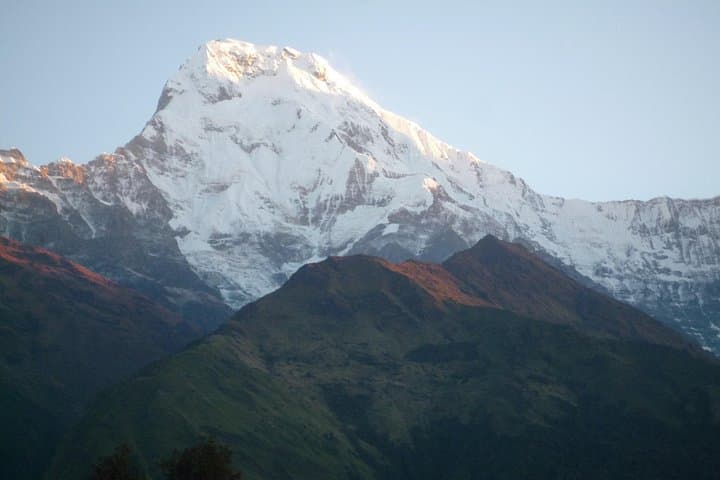
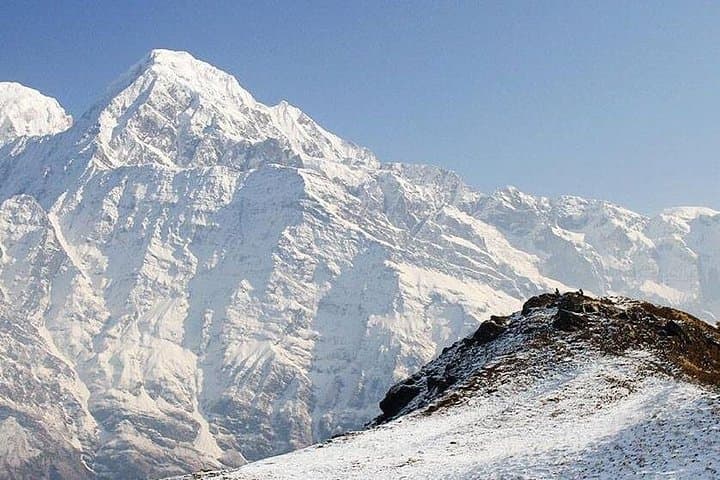
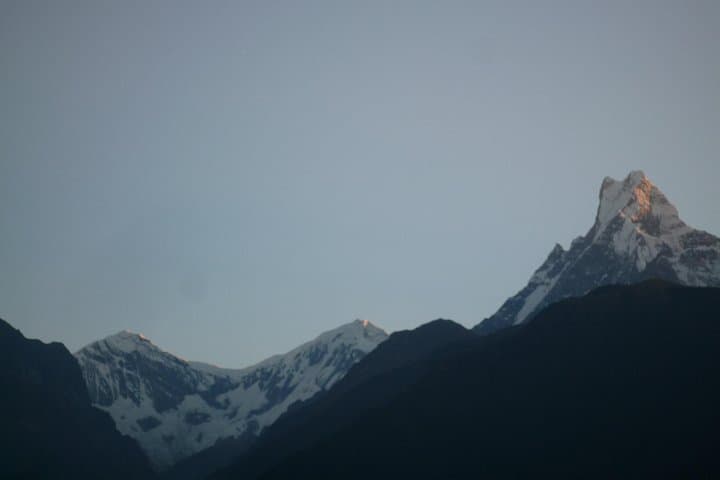
The trail opens on a cool dawn outside Pokhara, prayer flags snapping as you shoulder a pack and step onto a dirt track that climbs through rhododendron forests. Daylight slices the Annapurna massif into planes of stone — Machapuchare and Annapurna South loom like sentinels while the trail narrows and the air thins.
The trail opens on a cool dawn outside Pokhara, prayer flags snapping as you shoulder a pack and step onto a dirt track that climbs through rhododendron forests. Daylight slices the Annapurna massif into planes of stone — Machapuchare and Annapurna South loom like sentinels while the trail narrows and the air thins.
This 10-day itinerary moves from Kathmandu (1,334 m) to Pokhara, then up Phedi and through Pitam Deurali (2,100 m), Forest Camp (2,520 m), High Camp (3,700 m) and Mardi Himal Base Camp (~4,500 m) before returning by trails and road. Geologically the route runs along the southern flanks of the Annapurna massif, where uplifted marine sediment and metamorphic bedrock have been folded and exposed by the India–Eurasia collision; the result is steep ridgelines, glacially carved valleys and sudden viewpoint breaks.
Locally the trek passes through Gurung villages where tea houses and simple lodges demonstrate warm hospitality and a living mountain culture shaped by farming, yak herding and seasonal trade. Wildlife sightings can include Himalayan thrushes and, with luck, barking deer in the lower forests.
Practical guidance: plan for altitude gain, move deliberately between camps to aid acclimatization, and allow the 7–8 hour High Camp–Base Camp day as your toughest section. Footwear with rigid support, layered insulation for cold nights, and a reliable water-treatment method are essential. Spring and autumn offer the clearest views; winter brings deep cold and summer monsoon makes trails slippery. Pack light, expect basic lodgings, and book transfers between Kathmandu and Pokhara in advance.