THE ADVENTURE COLLECTIVE® · Independent discovery and booking for outdoor travel

A 12-day traverse from Pokhara to Mardi Base Camp that trades busy valley life for high rhododendron ridges, expansive Annapurna views and simple tea-house nights. Expect steady climbs, alpine plateaus and an itinerary that prioritizes acclimatization and local culture.
A 12-day traverse from Pokhara to Mardi Base Camp that trades busy valley life for high rhododendron ridges, expansive Annapurna views and simple tea-house nights. Expect steady climbs, alpine plateaus and an itinerary that prioritizes acclimatization and local culture.
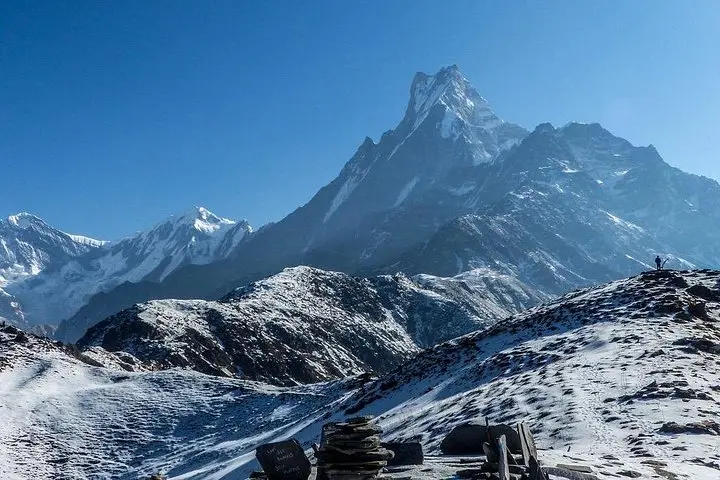
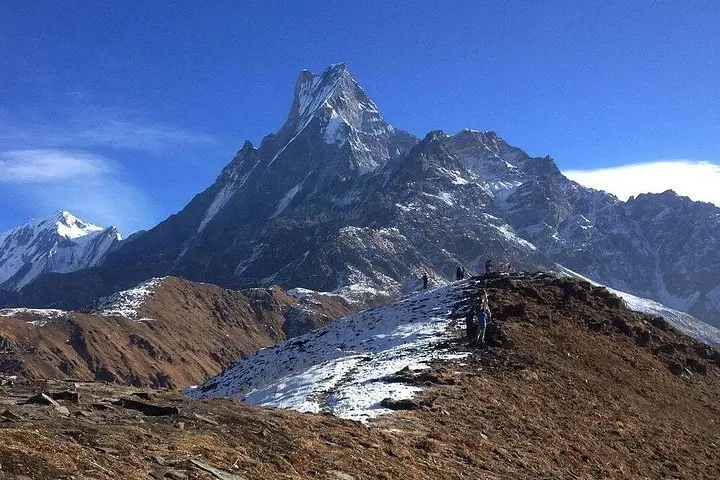
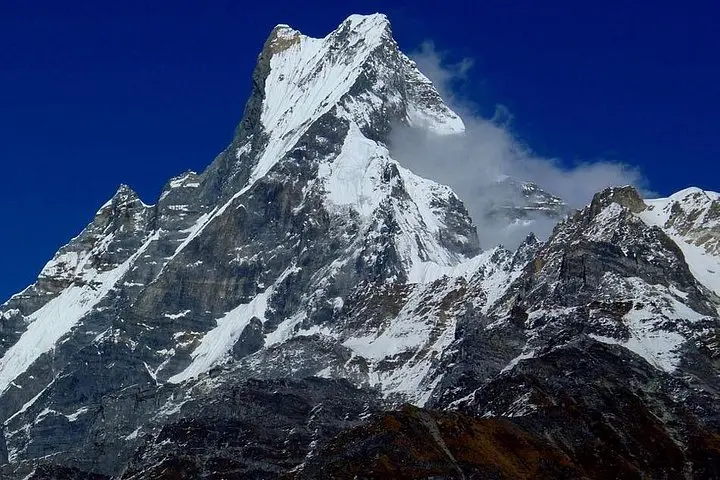
The first morning, a short flight drops you into Pokhara and the mountains reappear like an approaching promise: Machhapuchhre’s steep profile and the white shoulders of Annapurna rise as you follow the Seti and Mardi rivers north.
Verified experiences and guided adventures in the surrounding area.
Operated by Alpine Club of Himalaya · Pokhara, Gandaki Province
The first morning, a short flight drops you into Pokhara and the mountains reappear like an approaching promise: Machhapuchhre’s steep profile and the white shoulders of Annapurna rise as you follow the Seti and Mardi rivers north.
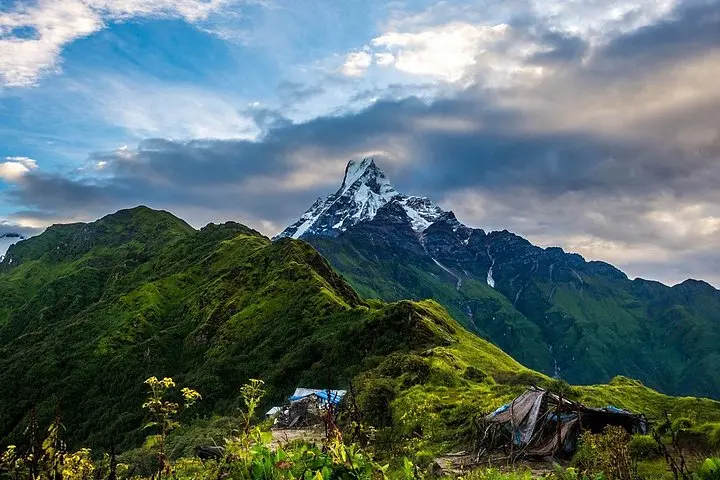
The route climbs from rice terraces through bamboo and rhododendron, past small Gurung settlements and grazing pastures to high ridgelines. Geologically, the trek moves from alluvial valley floors into uplifted metamorphic rock and moraine-scarred alpine bowls beneath the south face of Mardi Himal (5,587 m). Culturally the trail threads through traditional villages—tea houses hum with local meals and stories of the Annapurnas; the Gurung and Magar communities still maintain terraced farming and seasonal pastures.
Historically the mountain came to western attention in the 1950s; Mardi remained little-visited compared with Machhapuchhre and Annapurna I, and its first recorded ascent was in 1961. Today the route is protected by the Annapurna Conservation Area and requires TIMS and park permits.
Practically: expect steady daily gains—many days climb 600–1,000 m—narrow single-track, stone steps and exposed ridges near high camp. Nights are in basic tea houses or camps; services are simple and cash-based. Acclimatize deliberately, carry layers for wind and sudden cold, and plan 10–12 days of trekking with rest for altitude adjustment. Drink frequently, use a filter or purification tablets, and pack boots with good ankle support. Navigation is straightforward on marked trails but weather can turn fast—start early, aim for clear windows for summit views, and respect local guides and porter limits.
Yes—trekkers need Annapurna Conservation Area Project permit (ACAP) and a TIMS card; many operators include these in the package.
No—this itinerary is a non-technical trek to Base Camp (~4,100 m); summit attempts on the peak itself would require mountaineering skills.
Spring (March–May) and autumn (September–November) offer the most stable weather and clear mountain views; monsoon season is wetter and winter brings cold and possible snow at high elevations.
Nights are in simple tea houses or shared basic guest houses; expect shared bathrooms, hot meals, and communal dining—booked packages usually include meals and guided support.
Alpine Club of Himalaya operates guided outdoor trips and adventures with an emphasis on safety, stewardship, and memorable experiences.
The first morning, a short flight drops you into Pokhara and the mountains reappear like an approaching promise: Machhapuchhre’s steep profile and the white shoulders of Annapurna rise as you follow the Seti and Mardi rivers north.
The first morning, a short flight drops you into Pokhara and the mountains reappear like an approaching promise: Machhapuchhre’s steep profile and the white shoulders of Annapurna rise as you follow the Seti and Mardi rivers north.
The route climbs from rice terraces through bamboo and rhododendron, past small Gurung settlements and grazing pastures to high ridgelines. Geologically, the trek moves from alluvial valley floors into uplifted metamorphic rock and moraine-scarred alpine bowls beneath the south face of Mardi Himal (5,587 m). Culturally the trail threads through traditional villages—tea houses hum with local meals and stories of the Annapurnas; the Gurung and Magar communities still maintain terraced farming and seasonal pastures.
Historically the mountain came to western attention in the 1950s; Mardi remained little-visited compared with Machhapuchhre and Annapurna I, and its first recorded ascent was in 1961. Today the route is protected by the Annapurna Conservation Area and requires TIMS and park permits.
Practically: expect steady daily gains—many days climb 600–1,000 m—narrow single-track, stone steps and exposed ridges near high camp. Nights are in basic tea houses or camps; services are simple and cash-based. Acclimatize deliberately, carry layers for wind and sudden cold, and plan 10–12 days of trekking with rest for altitude adjustment. Drink frequently, use a filter or purification tablets, and pack boots with good ankle support. Navigation is straightforward on marked trails but weather can turn fast—start early, aim for clear windows for summit views, and respect local guides and porter limits.