THE ADVENTURE COLLECTIVE® · Independent discovery and booking for outdoor travel

A 4-night, 5-day teahouse trek from Pokhara to Mardi Base Camp that climbs through rhododendron forests and alpine ridges for close-up views of Machhapuchhre and the Annapurnas. Expect mixed terrain, teahouse stays, and strong mountain scenery.
A 4-night, 5-day teahouse trek from Pokhara to Mardi Base Camp that climbs through rhododendron forests and alpine ridges for close-up views of Machhapuchhre and the Annapurnas. Expect mixed terrain, teahouse stays, and strong mountain scenery.
You start before dawn, air thin and crisp, stepping out of a teahouse as the ridge lightens. The trail climbs through a stitched sequence of Gurung villages, rhododendron thickets and narrow stone staircases; Machhapuchhre (Fishtail) and the jagged Annapurna South loom like sentries as you rise. By High Camp the forest yields to wind-scoured moraine and a raw alpine bowl where the base camp sits, a quiet place where snowfields and sky compete for attention.
Verified experiences and guided adventures in the surrounding area.
Operated by Sisne Rover Trekking · Pokhara, Gandaki Province
You start before dawn, air thin and crisp, stepping out of a teahouse as the ridge lightens. The trail climbs through a stitched sequence of Gurung villages, rhododendron thickets and narrow stone staircases; Machhapuchhre (Fishtail) and the jagged Annapurna South loom like sentries as you rise. By High Camp the forest yields to wind-scoured moraine and a raw alpine bowl where the base camp sits, a quiet place where snowfields and sky compete for attention.
The route threads through the Annapurna Conservation Area, a landscape shaped by tectonic uplift and glacial sculpting. Local Gurung communities have grazed these slopes for generations; the modern teahouse trail opened more widely as a guided route in the 2010s and now balances village hospitality with high-mountain exposure. Flora shifts from subtropical ridge crops to rhododendron forests, then to scrub and alpine grass as altitude climbs; keep an eye out for Danphe (Himalayan monal) and Himalayan tahr.
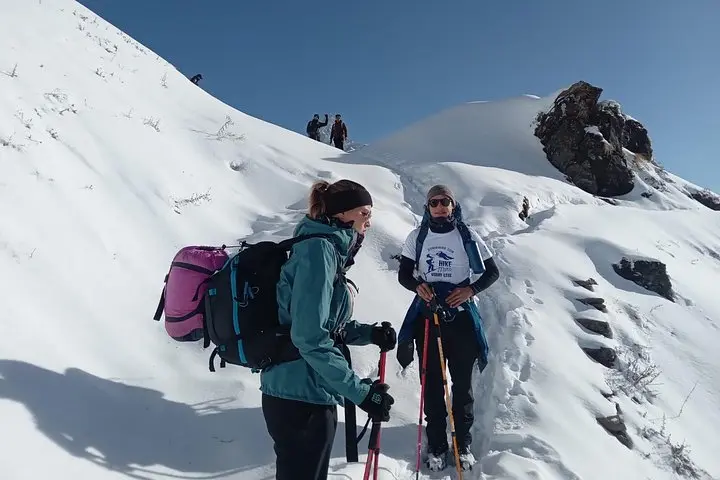
Practical guidance: plan for moderate to strong fitness — expect daily stages of 4–7 hours with steep sections and rocky footing above 3,000 m. Acclimatize by sleeping low when possible, carry layers for wind and sudden storms, and bring rain protection for monsoon-season trekking. Teahouses provide basic meals, hot drinks and overnight shelter, but water treatment and headlamps are useful. Start early to avoid afternoon clouds and give yourself extra time on the final ascent to Mardi Base Camp, where clear weather rewards patience with an expansive Himalayan panorama.
Yes — you must obtain ACAP (Annapurna Conservation Area) and TIMS permits; guides or operators typically handle paperwork.
Temperatures can drop below freezing overnight at elevations above 3,500–4,500 m; daytime in good weather is milder but windy.
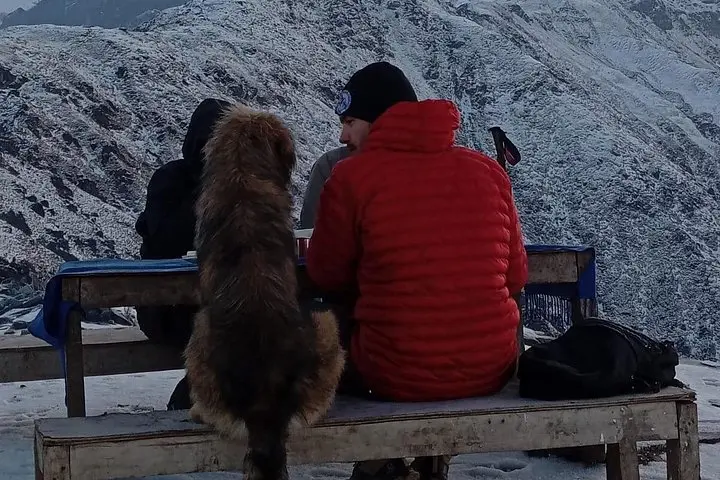
Teahouses are basic but adequate: shared rooms, hot meals, and common areas; bring a warm sleeping layer and expect simple plumbing.
Acute mountain sickness is possible above 3,000 m; monitor symptoms, ascend slowly, hydrate and descend if symptoms worsen.
Sisne Rover Trekking operates guided outdoor trips and adventures with an emphasis on safety, stewardship, and memorable experiences.

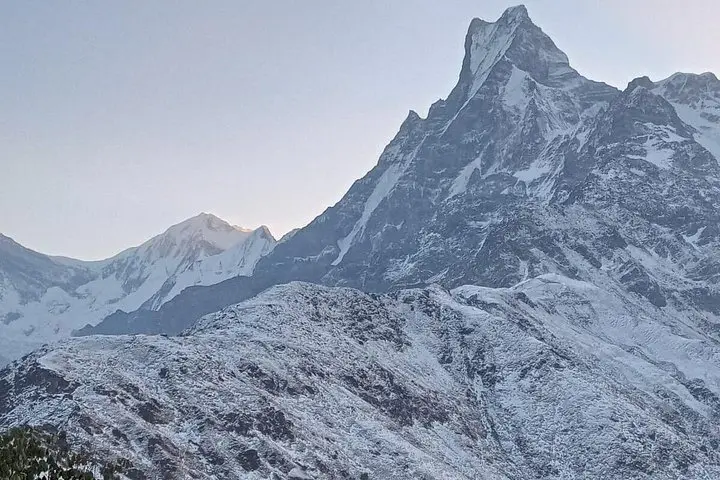
You start before dawn, air thin and crisp, stepping out of a teahouse as the ridge lightens. The trail climbs through a stitched sequence of Gurung villages, rhododendron thickets and narrow stone staircases; Machhapuchhre (Fishtail) and the jagged Annapurna South loom like sentries as you rise. By High Camp the forest yields to wind-scoured moraine and a raw alpine bowl where the base camp sits, a quiet place where snowfields and sky compete for attention.
You start before dawn, air thin and crisp, stepping out of a teahouse as the ridge lightens. The trail climbs through a stitched sequence of Gurung villages, rhododendron thickets and narrow stone staircases; Machhapuchhre (Fishtail) and the jagged Annapurna South loom like sentries as you rise. By High Camp the forest yields to wind-scoured moraine and a raw alpine bowl where the base camp sits, a quiet place where snowfields and sky compete for attention.
The route threads through the Annapurna Conservation Area, a landscape shaped by tectonic uplift and glacial sculpting. Local Gurung communities have grazed these slopes for generations; the modern teahouse trail opened more widely as a guided route in the 2010s and now balances village hospitality with high-mountain exposure. Flora shifts from subtropical ridge crops to rhododendron forests, then to scrub and alpine grass as altitude climbs; keep an eye out for Danphe (Himalayan monal) and Himalayan tahr.
Practical guidance: plan for moderate to strong fitness — expect daily stages of 4–7 hours with steep sections and rocky footing above 3,000 m. Acclimatize by sleeping low when possible, carry layers for wind and sudden storms, and bring rain protection for monsoon-season trekking. Teahouses provide basic meals, hot drinks and overnight shelter, but water treatment and headlamps are useful. Start early to avoid afternoon clouds and give yourself extra time on the final ascent to Mardi Base Camp, where clear weather rewards patience with an expansive Himalayan panorama.