THE ADVENTURE COLLECTIVE® · Independent discovery and booking for outdoor travel

A short, high-reward trek in the Annapurna Conservation Area, Mardi Himal offers sweeping views of Machhapuchhre and Annapurna with fewer crowds. Expect 3–7 hour walking days, teahouse stays and alpine ridgelines that deliver sunrise panoramas.
A short, high-reward trek in the Annapurna Conservation Area, Mardi Himal offers sweeping views of Machhapuchhre and Annapurna with fewer crowds. Expect 3–7 hour walking days, teahouse stays and alpine ridgelines that deliver sunrise panoramas.
Dawn peels back over the Annapurna range as you climb a narrow ridge; cold air pushes at your face and Fishtail (Machhapuchhre) appears and disappears through drifting cloud. The Mardi Himal trek threads forested slopes, rhododendron corridors and open ridgelines, with tea houses spaced like waypoints where kettles steam and views reward tired legs.
Verified experiences and guided adventures in the surrounding area.
Operated by Trek Around Himalayas Pvt. Ltd. · Pokhara, Gandaki Province
Dawn peels back over the Annapurna range as you climb a narrow ridge; cold air pushes at your face and Fishtail (Machhapuchhre) appears and disappears through drifting cloud. The Mardi Himal trek threads forested slopes, rhododendron corridors and open ridgelines, with tea houses spaced like waypoints where kettles steam and views reward tired legs.
Geologically this corner of the Himalaya is young rock and uplifted sediment, carved by glaciers and seasonal streams into steep valleys and grassy shoulders. The route sits inside the Annapurna Conservation Area, where villages follow centuries-old hill farming practices—terraced rice and maize fields, livestock pastures and houses built of stone and timber.
Culturally the trail passes Gurung and Magar settlements; expect friendly greetings, simple teahouse hospitality and local cuisine—dal bhat remains the staple fuel for trekkers. Wildlife is present but shy: domestic yaks, pheasants and occasional mountain tahr are the more likely sightings.
Practically, the itinerary demands steady legs: daily walks of 3–7 hours and a highest outing near 4,500 m at the Base Camp/Viewpoint. Acclimatize, keep hydrated and start summit pushes before sunrise to catch the clearest air. Teahouses provide twin-share rooms and hot meals, but amenities are basic—carry a light sleeping bag liner and cash. Trails can be muddy in monsoon and icy in late winter; trekking poles, waterproof layers and sturdy boots make the difference.
By the final descent the valley opens to rice terraces and village life, a gentle ending after alpine exposure—Mardi Himal delivers big, uncluttered mountain views on a short, accessible route.
Yes—trekkers must obtain the Annapurna Conservation Area permit (ACAP) and a TIMS card; this is typically handled before or on arrival in Pokhara and is included by many operators.
The highest viewpoint on many itineraries is around 4,500 m; mild altitude illness is possible—ascend gradually, hydrate, and watch for symptoms.
Teahouses provide basic twin-share rooms, hot meals and usually charging services for a small fee; expect simpler facilities at higher camps.
Spring (March–May) and autumn (Sept–Nov) offer the clearest views and stable weather, while monsoon brings heavy rain and winter can be cold with snow at higher camps.
Trek Around Himalayas Pvt. Ltd. operates guided outdoor trips and adventures with an emphasis on safety, stewardship, and memorable experiences.


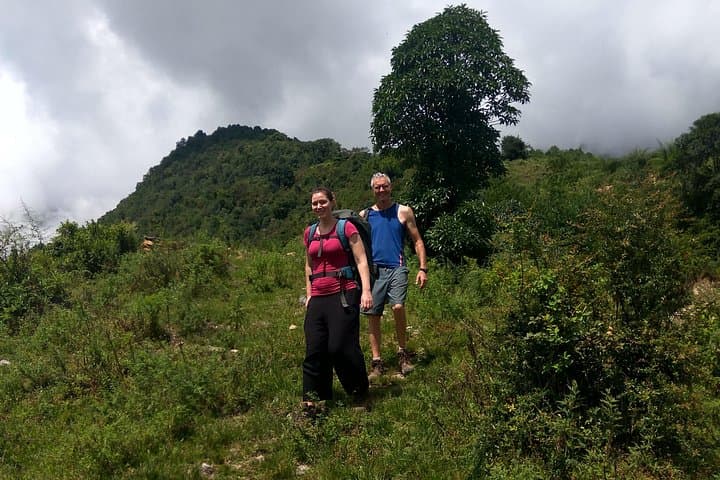

Dawn peels back over the Annapurna range as you climb a narrow ridge; cold air pushes at your face and Fishtail (Machhapuchhre) appears and disappears through drifting cloud. The Mardi Himal trek threads forested slopes, rhododendron corridors and open ridgelines, with tea houses spaced like waypoints where kettles steam and views reward tired legs.
Dawn peels back over the Annapurna range as you climb a narrow ridge; cold air pushes at your face and Fishtail (Machhapuchhre) appears and disappears through drifting cloud. The Mardi Himal trek threads forested slopes, rhododendron corridors and open ridgelines, with tea houses spaced like waypoints where kettles steam and views reward tired legs.
Geologically this corner of the Himalaya is young rock and uplifted sediment, carved by glaciers and seasonal streams into steep valleys and grassy shoulders. The route sits inside the Annapurna Conservation Area, where villages follow centuries-old hill farming practices—terraced rice and maize fields, livestock pastures and houses built of stone and timber.
Culturally the trail passes Gurung and Magar settlements; expect friendly greetings, simple teahouse hospitality and local cuisine—dal bhat remains the staple fuel for trekkers. Wildlife is present but shy: domestic yaks, pheasants and occasional mountain tahr are the more likely sightings.
Practically, the itinerary demands steady legs: daily walks of 3–7 hours and a highest outing near 4,500 m at the Base Camp/Viewpoint. Acclimatize, keep hydrated and start summit pushes before sunrise to catch the clearest air. Teahouses provide twin-share rooms and hot meals, but amenities are basic—carry a light sleeping bag liner and cash. Trails can be muddy in monsoon and icy in late winter; trekking poles, waterproof layers and sturdy boots make the difference.
By the final descent the valley opens to rice terraces and village life, a gentle ending after alpine exposure—Mardi Himal delivers big, uncluttered mountain views on a short, accessible route.