THE ADVENTURE COLLECTIVE® · Independent discovery and booking for outdoor travel

A 6-day alternative to the busier Annapurna treks, Mardi Himal climbs to 4,500 m through rhododendron forests and high alpine ridges. Expect steep, exposed sections, basic tea-house lodging, and dramatic sunrise views of the Annapurna massif.
A 6-day alternative to the busier Annapurna treks, Mardi Himal climbs to 4,500 m through rhododendron forests and high alpine ridges. Expect steep, exposed sections, basic tea-house lodging, and dramatic sunrise views of the Annapurna massif.
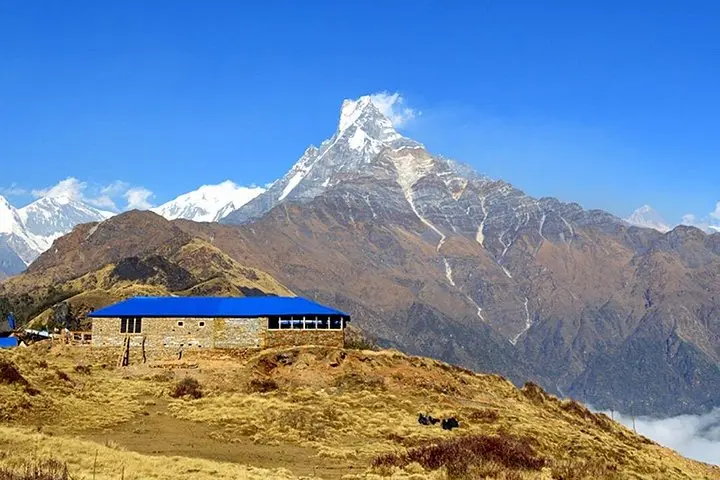
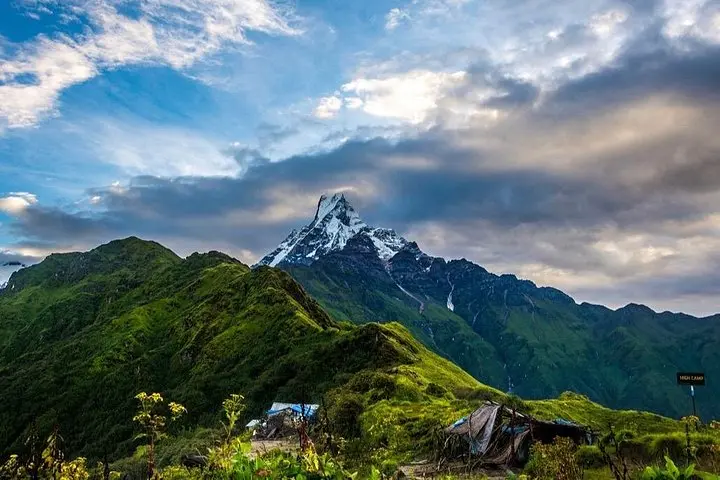
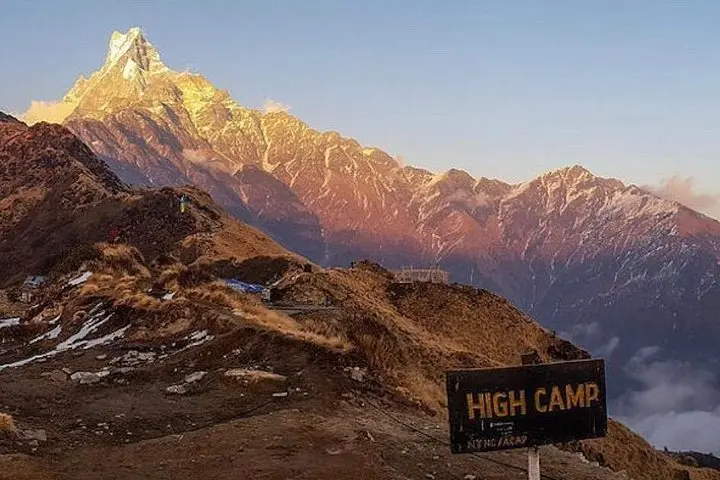
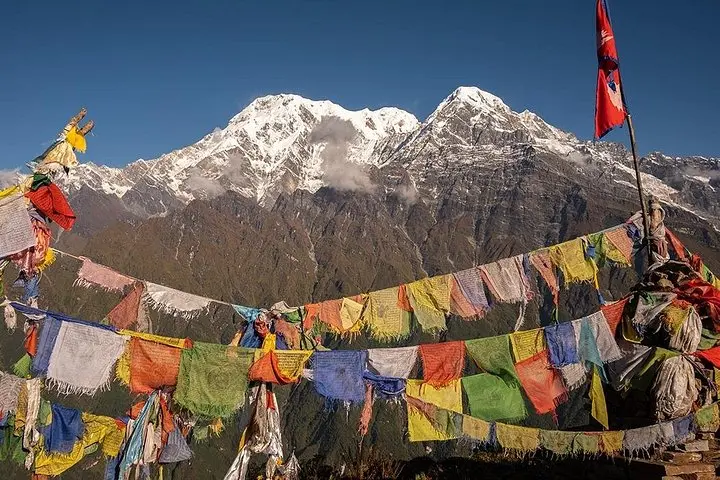
Before dawn at High Camp the world narrows to breath and silhouette: Machapuchare’s razor profile cuts the sky, while the ridge ahead glows faintly as you set off for Mardi Himal Base Camp. The trail climbs through pockets of rhododendron and fir, opening occasional windows onto the Annapurna south face and the layered ridges that give this region its dramatic relief.
Verified experiences and guided adventures in the surrounding area.
Operated by AM Travels and Tours · Pokhara, Gandaki Province
Before dawn at High Camp the world narrows to breath and silhouette: Machapuchare’s razor profile cuts the sky, while the ridge ahead glows faintly as you set off for Mardi Himal Base Camp. The trail climbs through pockets of rhododendron and fir, opening occasional windows onto the Annapurna south face and the layered ridges that give this region its dramatic relief.
The Mardi route is a newer thread in the long tapestry of Annapurna trekking—carved to offer close mountain views with fewer crowds than ABC. Geologically, the trail traces a moraine-carved flank beneath glaciated peaks; culturally it moves through Gurung and Magar villages where tea houses serve dal bhat and warm hospitality. Expect steep stone steps, narrow forested benches, and exposed alpine scree above High Camp.
Practically: the itinerary suits fit trekkers able to handle consecutive 4–7 hour hiking days and a summit-day climb to 4,500 m. Permits required include ACAP/Annapurna Conservation Area and TIMS; a guide shortens permit logistics and improves safety. Tea-house accommodation is basic—bring a warm sleeping bag and cash for charging and meals. Hydration, slow pacing, and one extra rest day for acclimatization reduce altitude risk; trekking poles ease long descents.
Best seasons are spring and autumn for stable skies; winter is cold and more technical above 3,500 m, monsoon brings forest mud and limited views. The route’s reward is immediate: sunrise from Mardi Base—clear, vast, and uncompromising—followed by the slow, satisfying descent back toward Pokhara.
Yes—an ACAP (Annapurna Conservation Area) permit and TIMS card are required; guides typically handle permits for private trips.
The summit day is long and steep with altitude gain; trekkers should be acclimatized, paced, and prepared for thin air and cold conditions.
Basic tea-house lodges with shared rooms, simple meals (dal bhat, noodles), and paid charging; bring cash and a warm sleeping bag.
Spring (March–May) and autumn (September–November) offer the most stable weather and best mountain visibility.
AM Travels and Tours operates guided outdoor trips and adventures with an emphasis on safety, stewardship, and memorable experiences.
Before dawn at High Camp the world narrows to breath and silhouette: Machapuchare’s razor profile cuts the sky, while the ridge ahead glows faintly as you set off for Mardi Himal Base Camp. The trail climbs through pockets of rhododendron and fir, opening occasional windows onto the Annapurna south face and the layered ridges that give this region its dramatic relief.
Before dawn at High Camp the world narrows to breath and silhouette: Machapuchare’s razor profile cuts the sky, while the ridge ahead glows faintly as you set off for Mardi Himal Base Camp. The trail climbs through pockets of rhododendron and fir, opening occasional windows onto the Annapurna south face and the layered ridges that give this region its dramatic relief.
The Mardi route is a newer thread in the long tapestry of Annapurna trekking—carved to offer close mountain views with fewer crowds than ABC. Geologically, the trail traces a moraine-carved flank beneath glaciated peaks; culturally it moves through Gurung and Magar villages where tea houses serve dal bhat and warm hospitality. Expect steep stone steps, narrow forested benches, and exposed alpine scree above High Camp.
Practically: the itinerary suits fit trekkers able to handle consecutive 4–7 hour hiking days and a summit-day climb to 4,500 m. Permits required include ACAP/Annapurna Conservation Area and TIMS; a guide shortens permit logistics and improves safety. Tea-house accommodation is basic—bring a warm sleeping bag and cash for charging and meals. Hydration, slow pacing, and one extra rest day for acclimatization reduce altitude risk; trekking poles ease long descents.
Best seasons are spring and autumn for stable skies; winter is cold and more technical above 3,500 m, monsoon brings forest mud and limited views. The route’s reward is immediate: sunrise from Mardi Base—clear, vast, and uncompromising—followed by the slow, satisfying descent back toward Pokhara.