THE ADVENTURE COLLECTIVE® · Independent discovery and booking for outdoor travel

A compact 6–7 day teahouse trek from Phedi to Mardi Himal offers dramatic, close views of Annapurna and Machapuchare. Expect forested ridges, steep days up to 4,500m if you push to base camp, and authentic Gurung village stops.
A compact 6–7 day teahouse trek from Phedi to Mardi Himal offers dramatic, close views of Annapurna and Machapuchare. Expect forested ridges, steep days up to 4,500m if you push to base camp, and authentic Gurung village stops.
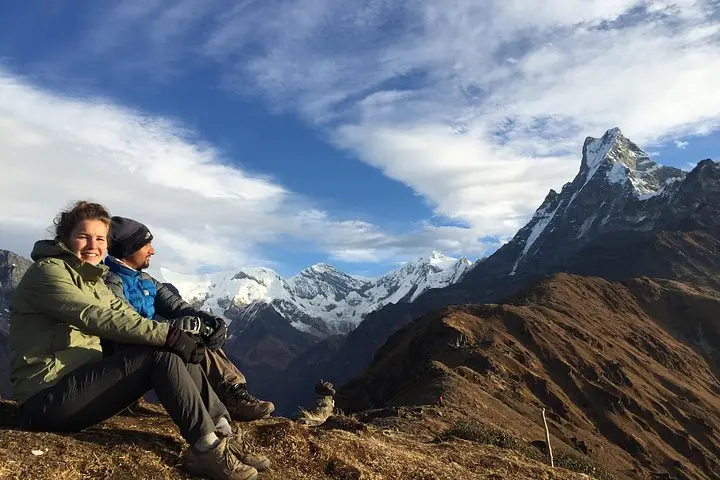
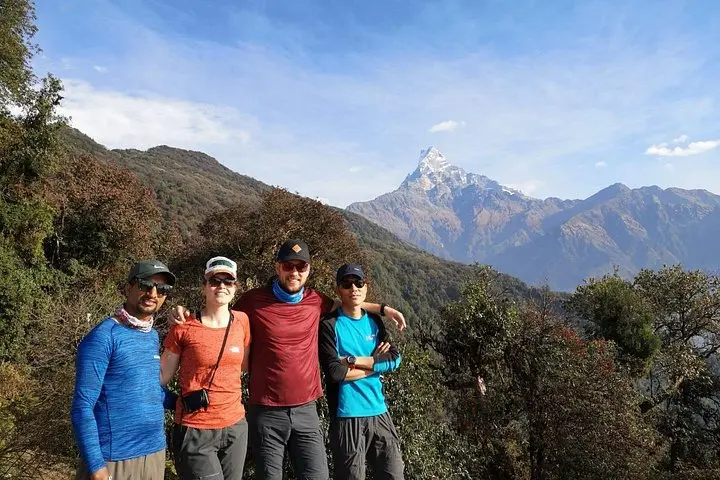
You step off the jeep at Phedi with the low clouds still clinging to terraced fields and a ridge that seems to call you uphill. The trail climbs through villages and rhododendron forest, each switchback opening a sharper view of Machapuchare and Annapurna South. Birds puncture the quiet; the mountains keep you honest.
Verified experiences and guided adventures in the surrounding area.
Operated by Himalayan Wander Walkers · Pokhara, Gandaki Province
You step off the jeep at Phedi with the low clouds still clinging to terraced fields and a ridge that seems to call you uphill. The trail climbs through villages and rhododendron forest, each switchback opening a sharper view of Machapuchare and Annapurna South. Birds puncture the quiet; the mountains keep you honest.
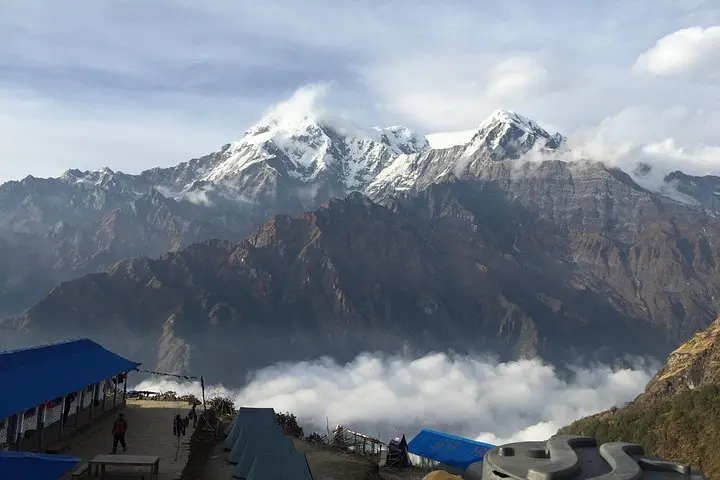
Geology here is raw — steep, glaciated faces of the Annapurna massif pressed against softer foothill slopes, producing abrupt elevation gain and sudden panoramas. The route threads Gurung villages where stone houses and mani walls echo local culture; the Annapurna Conservation Area Project oversees permits and conservation efforts in the valley.
Expect steady climbs: Phedi to Deurali, then Forest Camp (~2600m), Low Camp (~2970m), High Camp (~3550m) and an optional push toward Mardi Himal Base Camp (~4500m). Terrain alternates packed dirt, rock steps and forested ridgelines; daily gains of 600–1,000m are common. Teahouse accommodation and simple meals keep the weight light but altitude remains the main challenge.
Practical guidance: start early to avoid afternoon clouds, carry layers for big temperature swings, and drink proactively — the trail is dry and exposed in places. Trekking poles reduce knee strain on steep descents. Allow a full day for gradual ascent and one extra day in Pokhara for acclimatization if you’re not used to alpine altitudes.
This is a compact, high-reward trek: close mountain perspectives, cultural contact, and variable terrain that makes every ridge feel like a new summit. Plan for 6–7 days, respect altitude, and you’ll leave with clear memories of Annapurna’s sharp face and quiet mountain hospitality.
Yes — you need an Annapurna Conservation Area Permit (ACAP) and a TIMS card; your operator typically arranges these before departure.
Not strictly, but hiring a licensed guide is strongly recommended for navigation, acclimatization advice, and local insight; porters are available to carry heavy packs.
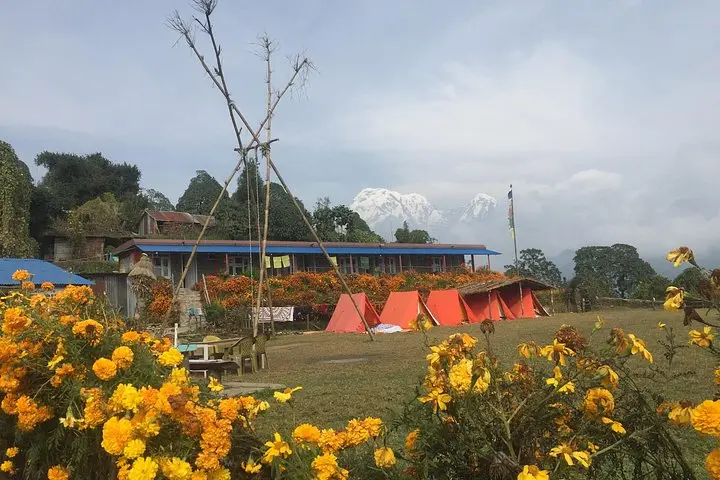
Teahouses provide basic twin rooms and meals along the route up to High Camp; facilities grow spartan above Forest Camp and water can be limited.
Spring (March–May) and autumn (September–November) offer the clearest mountain views and stable weather; monsoon months are wetter and winter brings snow at higher camps.
Himalayan Wander Walkers operates guided outdoor trips and adventures with an emphasis on safety, stewardship, and memorable experiences.
You step off the jeep at Phedi with the low clouds still clinging to terraced fields and a ridge that seems to call you uphill. The trail climbs through villages and rhododendron forest, each switchback opening a sharper view of Machapuchare and Annapurna South. Birds puncture the quiet; the mountains keep you honest.
You step off the jeep at Phedi with the low clouds still clinging to terraced fields and a ridge that seems to call you uphill. The trail climbs through villages and rhododendron forest, each switchback opening a sharper view of Machapuchare and Annapurna South. Birds puncture the quiet; the mountains keep you honest.
Geology here is raw — steep, glaciated faces of the Annapurna massif pressed against softer foothill slopes, producing abrupt elevation gain and sudden panoramas. The route threads Gurung villages where stone houses and mani walls echo local culture; the Annapurna Conservation Area Project oversees permits and conservation efforts in the valley.
Expect steady climbs: Phedi to Deurali, then Forest Camp (~2600m), Low Camp (~2970m), High Camp (~3550m) and an optional push toward Mardi Himal Base Camp (~4500m). Terrain alternates packed dirt, rock steps and forested ridgelines; daily gains of 600–1,000m are common. Teahouse accommodation and simple meals keep the weight light but altitude remains the main challenge.
Practical guidance: start early to avoid afternoon clouds, carry layers for big temperature swings, and drink proactively — the trail is dry and exposed in places. Trekking poles reduce knee strain on steep descents. Allow a full day for gradual ascent and one extra day in Pokhara for acclimatization if you’re not used to alpine altitudes.
This is a compact, high-reward trek: close mountain perspectives, cultural contact, and variable terrain that makes every ridge feel like a new summit. Plan for 6–7 days, respect altitude, and you’ll leave with clear memories of Annapurna’s sharp face and quiet mountain hospitality.