THE ADVENTURE COLLECTIVE® · Independent discovery and booking for outdoor travel
A quieter alternative to the Annapurna Circuit, the 8–9 day Mardi Himal Trek climbs through rhododendron forest, remote Gurung villages, and ridgelines that deliver sweeping views of Annapurna and Machapuchare. This guide explains what to expect and how to prepare.
A quieter alternative to the Annapurna Circuit, the 8–9 day Mardi Himal Trek climbs through rhododendron forest, remote Gurung villages, and ridgelines that deliver sweeping views of Annapurna and Machapuchare. This guide explains what to expect and how to prepare.
You step out of the jeep in Phedi and the valley exhales—terraced fields fall away, rhododendron flares, and a faint white edge of Himalayan ice promises altitude. The trail begins on stone steps that climb through small Gurung villages; as the hours pass, forest tightens and the air thins until a high ridge opens and the Annapurna range asserts itself across the sky.
Verified experiences and guided adventures in the surrounding area.
Operated by Trekking Organizer Company in Nepal · Pokhara, Gandaki Province
You step out of the jeep in Phedi and the valley exhales—terraced fields fall away, rhododendron flares, and a faint white edge of Himalayan ice promises altitude. The trail begins on stone steps that climb through small Gurung villages; as the hours pass, forest tightens and the air thins until a high ridge opens and the Annapurna range asserts itself across the sky.
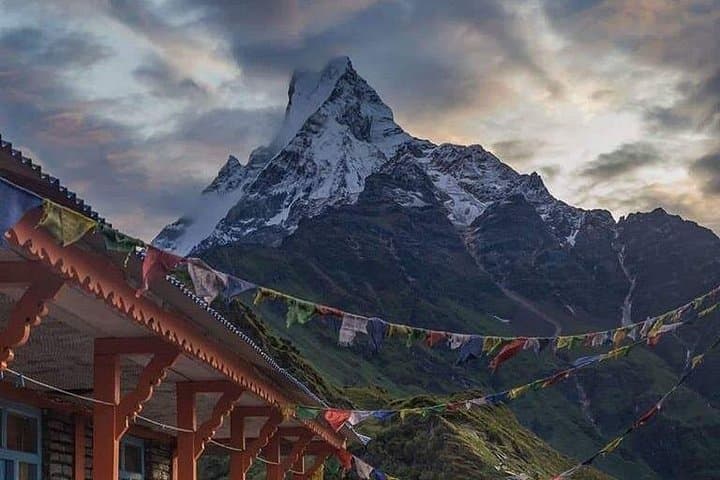
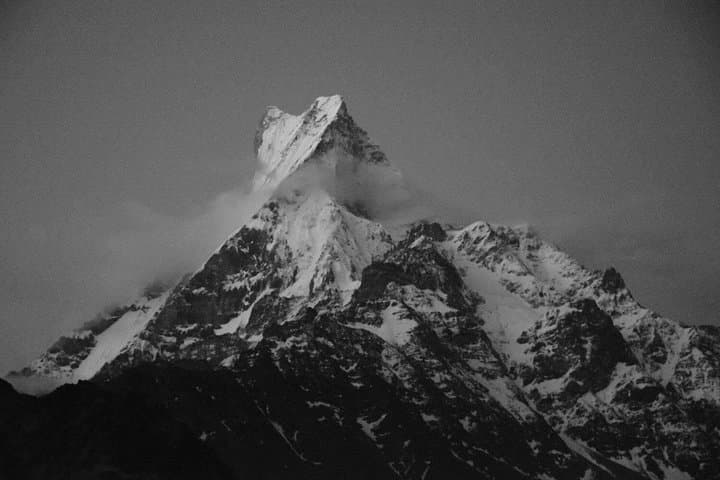
This alternative Annapurna route threads recent human history—small hill settlements, terraced farming techniques and tea-house hospitality—through geology carved by uplift and ancient glaciation. Mardi Himal itself is a lower, less crowded shoulder of the Annapurna massif, offering clear views of Machapuchare (Fishtail) and Annapurna South without the traffic of the main sanctuary. Local culture is visible in mani walls, prayer flags, and simple farmsteads where seasonal barley and millet are still tended.
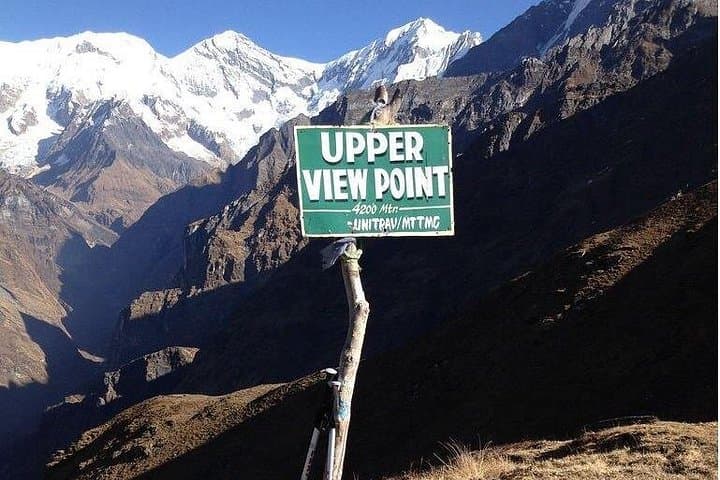
Expect a steady vertical profile: start ~800–1,000 m near Pokhara, climb to camps at 2,500–3,500 m, and reach viewpoints around 4,250 m. Trails vary from stone staircases and forest tracks to exposed alpine ridgelines—some sections are narrow and steep, others open to sweeping views. Accommodations are tea houses; permits (ACAP, TIMS) are required and often included.
Practical edge: pace your ascent, hydrate, and bring warm layers for cold nights at high camp. Aim for spring (March–May) or autumn (Sept–Nov) for stable skies and rhododendron bloom. Trekking poles reduce knee strain on long descents; pack-out waste where possible and respect local water sources. The Mardi Himal trek rewards with quiet alpine panoramas and close encounters with Nepal’s mountain ways.
Yes—ACAP and TIMS permits are required for the Annapurna region; many operators include them in the package.
Spring (March–May) and autumn (September–November) offer the most stable weather and best mountain visibility; monsoon months are wet and winter can be very cold with snow above 3,000 m.
Yes; accommodations are basic tea houses offering simple meals, hot drinks, and shared rooms—plan to carry a warm sleeping bag.
You reach about 4,250 m at the upper viewpoint—acute mountain sickness is possible; ascend slowly, hydrate, and descend if symptoms worsen.
Trekking Organizer Company in Nepal operates guided outdoor trips and adventures with an emphasis on safety, stewardship, and memorable experiences.
You step out of the jeep in Phedi and the valley exhales—terraced fields fall away, rhododendron flares, and a faint white edge of Himalayan ice promises altitude. The trail begins on stone steps that climb through small Gurung villages; as the hours pass, forest tightens and the air thins until a high ridge opens and the Annapurna range asserts itself across the sky.
You step out of the jeep in Phedi and the valley exhales—terraced fields fall away, rhododendron flares, and a faint white edge of Himalayan ice promises altitude. The trail begins on stone steps that climb through small Gurung villages; as the hours pass, forest tightens and the air thins until a high ridge opens and the Annapurna range asserts itself across the sky.
This alternative Annapurna route threads recent human history—small hill settlements, terraced farming techniques and tea-house hospitality—through geology carved by uplift and ancient glaciation. Mardi Himal itself is a lower, less crowded shoulder of the Annapurna massif, offering clear views of Machapuchare (Fishtail) and Annapurna South without the traffic of the main sanctuary. Local culture is visible in mani walls, prayer flags, and simple farmsteads where seasonal barley and millet are still tended.
Expect a steady vertical profile: start ~800–1,000 m near Pokhara, climb to camps at 2,500–3,500 m, and reach viewpoints around 4,250 m. Trails vary from stone staircases and forest tracks to exposed alpine ridgelines—some sections are narrow and steep, others open to sweeping views. Accommodations are tea houses; permits (ACAP, TIMS) are required and often included.
Practical edge: pace your ascent, hydrate, and bring warm layers for cold nights at high camp. Aim for spring (March–May) or autumn (Sept–Nov) for stable skies and rhododendron bloom. Trekking poles reduce knee strain on long descents; pack-out waste where possible and respect local water sources. The Mardi Himal trek rewards with quiet alpine panoramas and close encounters with Nepal’s mountain ways.
