
Mardi Himal Trek and Natural Hot Spring — 12-Day Annapurna Lodge Trek with Hot Bath
A quieter alternative in the Annapurna region, the Mardi Himal trek climbs through rhododendron forests to alpine viewpoints and finishes with a thermal bath at Jhinu Danda. This 12-day lodge trek pairs close-up views of Machhapuchhre with authentic village stays.
An Adventure In Pokhara.
A quieter alternative in the Annapurna region, the Mardi Himal trek climbs through rhododendron forests to alpine viewpoints and finishes with a thermal bath at Jhinu Danda. This 12-day lodge trek pairs close-up views of Machhapuchhre with authentic village stays.
Read the full experience
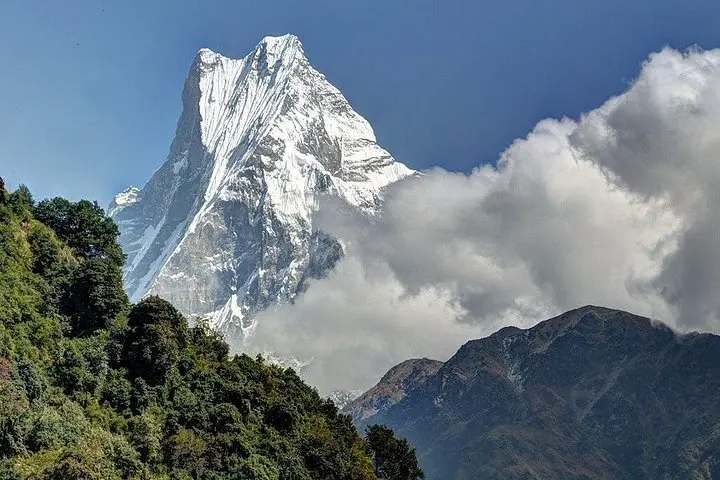
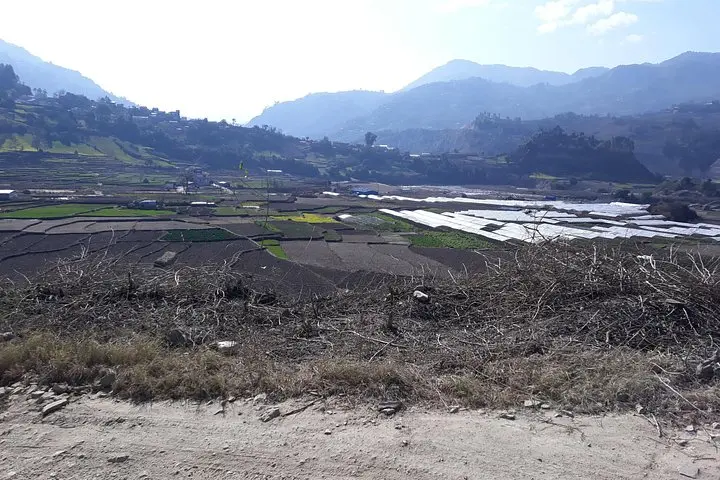
The trail opens on a cool morning above Pokhara, terraces slipping away beneath your boots and a wind that seems to push the ridgelines toward Machhapuchhre. Rhododendron trunks lean over stone steps, and distant snowfields blaze white against sky — the mountains don’t just sit; they press forward, reminding you why you came.
The trail opens on a cool morning above Pokhara, terraces slipping away beneath your boots and a wind that seems to push the ridgelines toward Machhapuchhre. Rhododendron trunks lean over stone steps, and distant snowfields blaze white against sky — the mountains don’t just sit; they press forward, reminding you why you came.
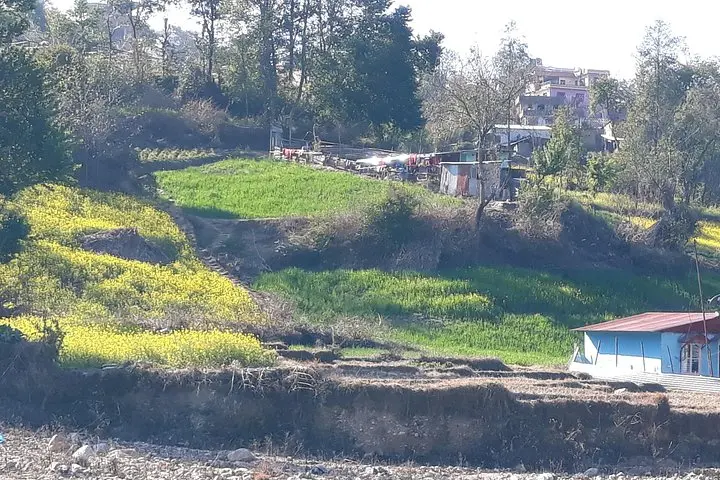
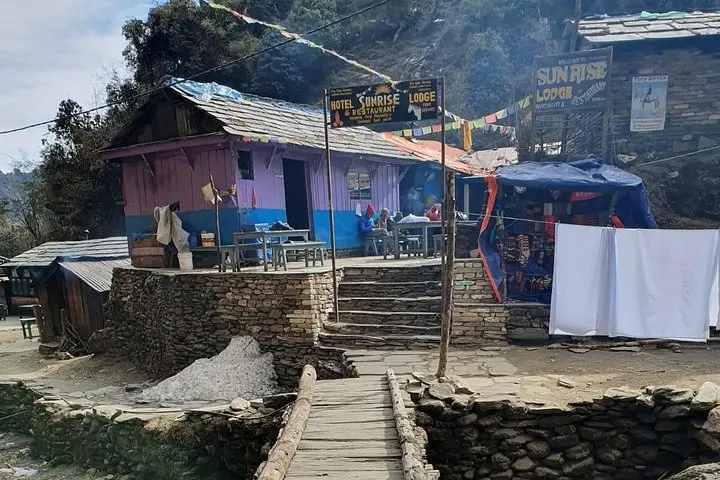
This relatively new route in the Annapurna Conservation Area threads Gurung villages, terraced farms and quiet forests. Geologically the trail traces uplifted sedimentary slopes carved by glacial and monsoon action; the result is a sudden shift from green valley to alpine moraine as you climb toward 4,250 m. Culturally the area is informed by Gurung hospitality — simple teahouses, prayer flags and local cuisine — and by the conservation rules that control access and keep the route lightly used.
Expect steady uphill days to High Camp, a sharper push to the Upper Viewpoint, and long views of Annapurna I, Hiunchuli and Machhapuchhre. Downhill leads you toward warmer air and, eventually, the natural hot spring at Jhinu Danda — a welcome, healing soak after days of altitude and dust.
Practical edge: carry layered insulation for cold nights, a reliable water treatment method, and cash for remote teahouses. Plan your acclimatization; the route gains altitude quickly. Footwear with good ankle support and trekking poles make steep, rocky sections and long descents more manageable. Start early each day for stable weather and the best light on the peaks.
Frequently asked questions
Yes—trekking requires TIMS (Trekkers’ Information Management System) and entry to the Annapurna Conservation Area; these are typically arranged before or at your start point.
The ascent is steep but non-technical; expect several hours of continuous climbing and cooler, thinner air—pace yourself and watch for altitude symptoms.
The hot spring is natural and popular for soaking; water temperature can vary and facilities are basic—avoid after heavy rainfall when water clarity may change.
Accommodation is lodge-based with basic facilities: twin dorm-style rooms, simple meals, and occasional shared bathrooms; higher comforts are available in Pokhara and Kathmandu.
About This Experience
Eve Holidays operates guided outdoor trips and adventures with an emphasis on safety, stewardship, and memorable experiences.
Adventure tips
Recommended gear
- Sturdy hiking boots: Supportive, broken-in boots help on rocky ascents and descents.
- Layered insulation and a warm sleeping jacket: Temperatures fall sharply above treeline; bring insulating mid and outer layers.
- Water filter or purification tablets: Treat stream or teahouse water to avoid gastrointestinal illness on remote sections.
- Trekking poles: Poles reduce knee strain on long descents and provide stability on scree and steps.
Photos of the experience
Related adventures & guides
Read the full experience
The trail opens on a cool morning above Pokhara, terraces slipping away beneath your boots and a wind that seems to push the ridgelines toward Machhapuchhre. Rhododendron trunks lean over stone steps, and distant snowfields blaze white against sky — the mountains don’t just sit; they press forward, reminding you why you came.
The trail opens on a cool morning above Pokhara, terraces slipping away beneath your boots and a wind that seems to push the ridgelines toward Machhapuchhre. Rhododendron trunks lean over stone steps, and distant snowfields blaze white against sky — the mountains don’t just sit; they press forward, reminding you why you came.
This relatively new route in the Annapurna Conservation Area threads Gurung villages, terraced farms and quiet forests. Geologically the trail traces uplifted sedimentary slopes carved by glacial and monsoon action; the result is a sudden shift from green valley to alpine moraine as you climb toward 4,250 m. Culturally the area is informed by Gurung hospitality — simple teahouses, prayer flags and local cuisine — and by the conservation rules that control access and keep the route lightly used.
Expect steady uphill days to High Camp, a sharper push to the Upper Viewpoint, and long views of Annapurna I, Hiunchuli and Machhapuchhre. Downhill leads you toward warmer air and, eventually, the natural hot spring at Jhinu Danda — a welcome, healing soak after days of altitude and dust.
Practical edge: carry layered insulation for cold nights, a reliable water treatment method, and cash for remote teahouses. Plan your acclimatization; the route gains altitude quickly. Footwear with good ankle support and trekking poles make steep, rocky sections and long descents more manageable. Start early each day for stable weather and the best light on the peaks.
Make a day of it nearby.
Verified experiences and guided adventures in the surrounding area.