THE ADVENTURE COLLECTIVE® · Independent discovery and booking for outdoor travel

Climb from Pokhara’s green valleys into open ridgelines where Machapuchare’s fishtail dominates the skyline. The Mardi Himal Trek combines high alpine views, traditional villages and rhododendron forests across an 8–10 day route.
Climb from Pokhara’s green valleys into open ridgelines where Machapuchare’s fishtail dominates the skyline. The Mardi Himal Trek combines high alpine views, traditional villages and rhododendron forests across an 8–10 day route.
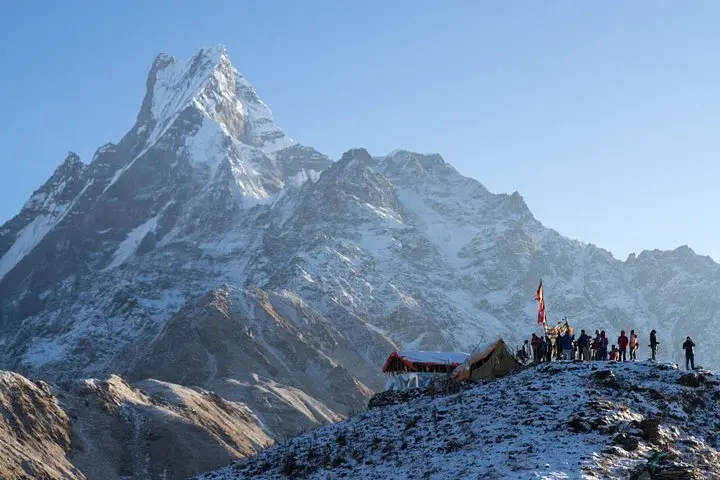
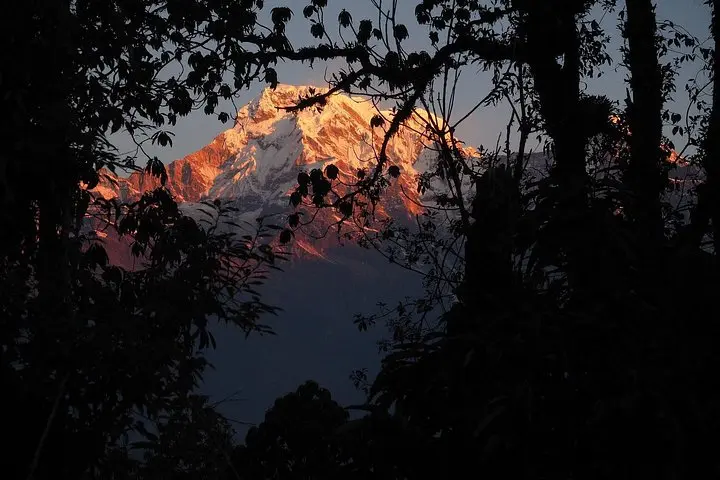
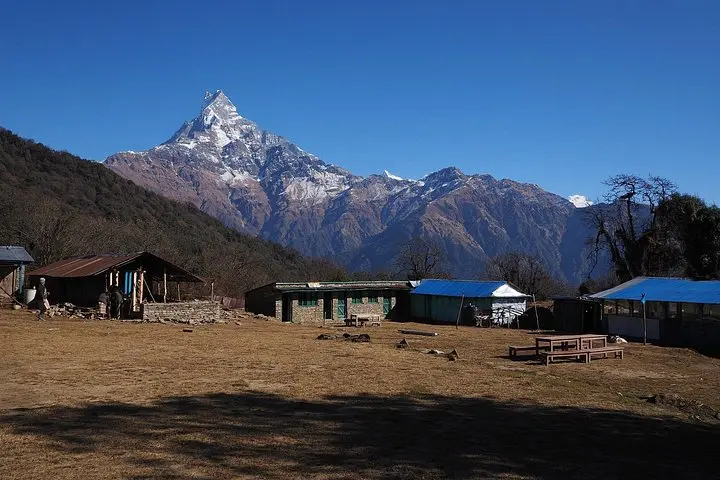
You round a low ridge and the fishtail silhouette of Machapuchare rises into a clear blue bowl; cold air bites at your cheeks and prayer flags snap like small cheers. The Mardi Himal Trek moves from humid subtropical valleys above Pokhara into rhododendron-scrub and finally to wind-bleached pastures—each step trading rice terraces for stacked stone walls and, eventually, for a panorama of Annapurna South, Hiunchuli and Dhaulagiri.
Verified experiences and guided adventures in the surrounding area.
Operated by Accessible Adventure Pvt. Ltd · Pokhara, Gandaki Province
You round a low ridge and the fishtail silhouette of Machapuchare rises into a clear blue bowl; cold air bites at your cheeks and prayer flags snap like small cheers. The Mardi Himal Trek moves from humid subtropical valleys above Pokhara into rhododendron-scrub and finally to wind-bleached pastures—each step trading rice terraces for stacked stone walls and, eventually, for a panorama of Annapurna South, Hiunchuli and Dhaulagiri.
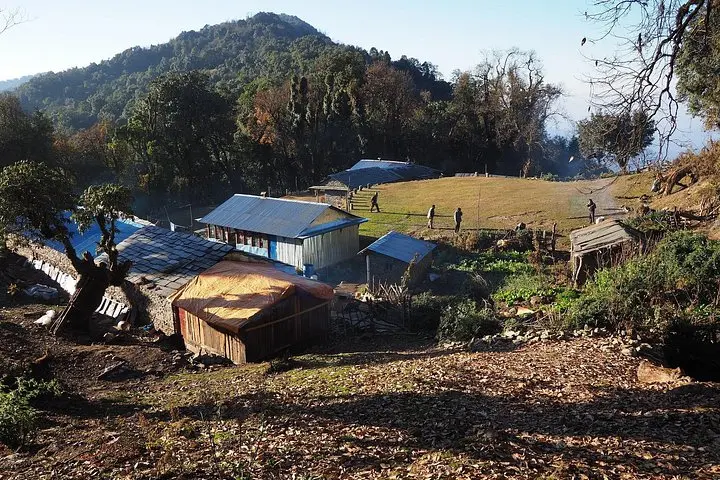
Geology here is dramatic: young Himalayan uplift exposes steep glaciated canyons and moraine-carved basins that frame the Annapurna Sanctuary. Human history is woven through the route—Gurung, Rai, Limbu and Chhetri villages maintain terraced farming and layered stone architecture while Buddhist stupas and mani walls mark pilgrimage routes. Wildlife still threads these slopes; Himalayan monal and, on rare occasions, red panda inhabit the forested bands.
Practical guidance: plan 8–10 days including drive time from Pokhara, and expect steep stone stairs and narrow ridgelines up to the Upper View Point (~4,200–4,500 m). Acclimatize and monitor for altitude sickness—headache, nausea or shortness of breath are warning signs. Guesthouses (teahouses) are the standard overnight option; carry cash and a basic kit for cold nights. Spring (March–May) and autumn (Sept–Nov) offer the most stable skies and rhododendron bloom; shoulder seasons bring thicker clouds and occasional rain.
Footwear with solid ankle support, layers for freezing mornings, and a reliable guide or porter will make the route manageable and rewarding. Time your summit-viewing for dawn; the light makes Machapuchare’s contours sharp and unforgettable.
Spring (March–May) and autumn (September–November) provide the most stable weather, clearer mountain views and rhododendron blooms in spring.
Yes—trekkers must have an Annapurna Conservation Area Permit (ACAP) and a TIMS card; guides or operators typically arrange these before departure.
Upper viewpoints reach roughly 4,200–4,500 m; steep, sometimes narrow sections make the trek challenging but manageable with prior multi-day hiking experience and acclimatization.
Traditional teahouses/guesthouses offer twin sharing rooms, hot meals and simple comforts—bring snacks and cash, and expect lighter menus at higher camps.
Accessible Adventure Pvt. Ltd operates guided outdoor trips and adventures with an emphasis on safety, stewardship, and memorable experiences.
You round a low ridge and the fishtail silhouette of Machapuchare rises into a clear blue bowl; cold air bites at your cheeks and prayer flags snap like small cheers. The Mardi Himal Trek moves from humid subtropical valleys above Pokhara into rhododendron-scrub and finally to wind-bleached pastures—each step trading rice terraces for stacked stone walls and, eventually, for a panorama of Annapurna South, Hiunchuli and Dhaulagiri.
You round a low ridge and the fishtail silhouette of Machapuchare rises into a clear blue bowl; cold air bites at your cheeks and prayer flags snap like small cheers. The Mardi Himal Trek moves from humid subtropical valleys above Pokhara into rhododendron-scrub and finally to wind-bleached pastures—each step trading rice terraces for stacked stone walls and, eventually, for a panorama of Annapurna South, Hiunchuli and Dhaulagiri.
Geology here is dramatic: young Himalayan uplift exposes steep glaciated canyons and moraine-carved basins that frame the Annapurna Sanctuary. Human history is woven through the route—Gurung, Rai, Limbu and Chhetri villages maintain terraced farming and layered stone architecture while Buddhist stupas and mani walls mark pilgrimage routes. Wildlife still threads these slopes; Himalayan monal and, on rare occasions, red panda inhabit the forested bands.
Practical guidance: plan 8–10 days including drive time from Pokhara, and expect steep stone stairs and narrow ridgelines up to the Upper View Point (~4,200–4,500 m). Acclimatize and monitor for altitude sickness—headache, nausea or shortness of breath are warning signs. Guesthouses (teahouses) are the standard overnight option; carry cash and a basic kit for cold nights. Spring (March–May) and autumn (Sept–Nov) offer the most stable skies and rhododendron bloom; shoulder seasons bring thicker clouds and occasional rain.
Footwear with solid ankle support, layers for freezing mornings, and a reliable guide or porter will make the route manageable and rewarding. Time your summit-viewing for dawn; the light makes Machapuchare’s contours sharp and unforgettable.