THE ADVENTURE COLLECTIVE® · Independent discovery and booking for outdoor travel

A steep, high-altitude trek from Pokhara into the Annapurna Conservation Area, the Mardi Himal route rewards steady hikers with dramatic fishtail views, rhododendron forests and a high camp overlooking the Annapurna massif. Read on for what to expect and how to prepare.
A steep, high-altitude trek from Pokhara into the Annapurna Conservation Area, the Mardi Himal route rewards steady hikers with dramatic fishtail views, rhododendron forests and a high camp overlooking the Annapurna massif. Read on for what to expect and how to prepare.
On a cold pre-dawn at High Camp the air tastes of rock dust and pine smoke; Machhapuchhre’s fishtail silhouette cuts the sky as if someone has split a mountain in two. The Mardi Himal Trek threads steep rhododendron forests, open pastures and shale gullies, climbing from Pokhara’s sub-tropical valley up to a rare 4,500 m high camp where the Annapurna range lays itself out in ordered teeth.
Verified experiences and guided adventures in the surrounding area.
Operated by Happyland Treks · Pokhara, Gandaki Province
On a cold pre-dawn at High Camp the air tastes of rock dust and pine smoke; Machhapuchhre’s fishtail silhouette cuts the sky as if someone has split a mountain in two. The Mardi Himal Trek threads steep rhododendron forests, open pastures and shale gullies, climbing from Pokhara’s sub-tropical valley up to a rare 4,500 m high camp where the Annapurna range lays itself out in ordered teeth.
Geologically the route crosses recent Himalayan uplift—young, fractured rock and glacially-scoured bowls—so trails alternate between packed dirt, loose scree and grassy terraces. Culturally you pass Gurung and Magar villages where stone teahouses offer dal bhat and stories; local trail etiquette and TIMS permits reflect long-standing community stewardship inside the Annapurna Conservation Area.
Expect forested switchbacks bursting with rhododendron in spring, a sharper alpine air above 3,000 m, and enormous panoramic windows on Annapurna South, Hiunchuli and Machhapuchhre from the Base Camp viewpoint. The landscape demands respect: sun can burn, altitude can drain, and simple paths can become exposed.
Practical guidance: trek in 8–10 days to allow acclimatization, carry layered insulation and water treatment, and use a porter if you want lighter days. Footwear with firm ankle support and a trekking pole will pay dividends on steep descents. Plan arrival in Pokhara and budget for tea-house nights; guides and TIMS permits are standard. Move deliberately at altitude, keep hydrated, and leave extra time for weather windows—on clear mornings you’ll get the jaw-drop views that make this route one of Annapurna’s most rewarding.
October–December and March–May offer the best visibility and stable weather; spring also brings rhododendron blooms.
Yes—Mardi Himal lies within the Annapurna Conservation Area and requires an ACAP permit and TIMS card, typically arranged by your guide.
Expect sustained uphill sections and altitude up to 4,500 m; it’s challenging for untrained hikers but manageable with acclimatization and pacing.
Yes—basic tea-house lodging with shared rooms and set meals; services reduce at higher camps and in off-season.
Happyland Treks operates guided outdoor trips and adventures with an emphasis on safety, stewardship, and memorable experiences.
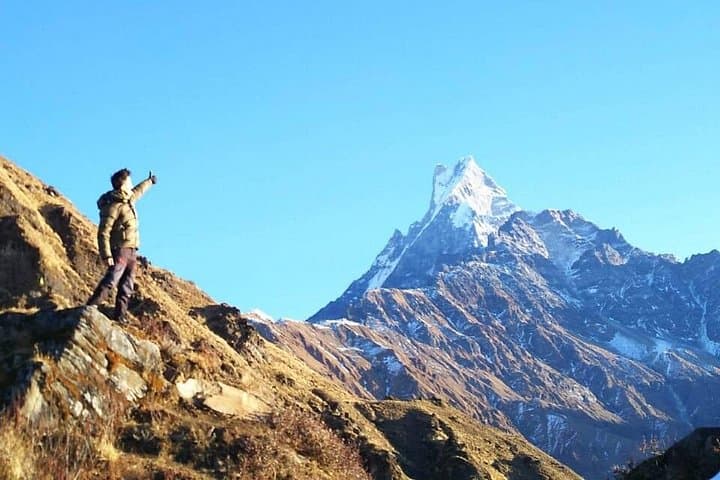
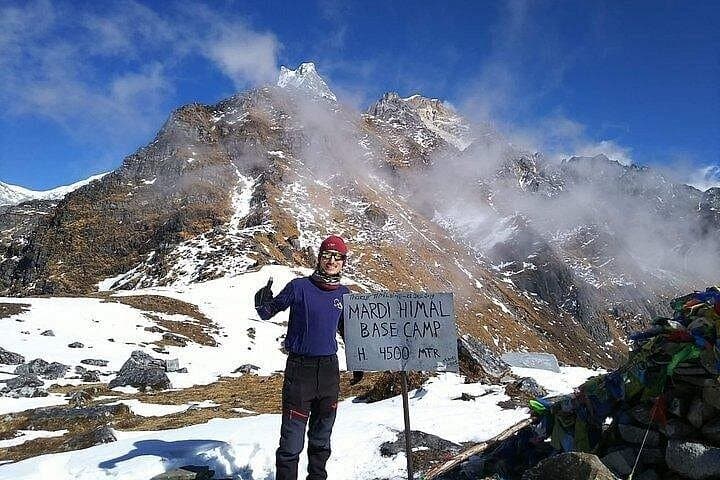


On a cold pre-dawn at High Camp the air tastes of rock dust and pine smoke; Machhapuchhre’s fishtail silhouette cuts the sky as if someone has split a mountain in two. The Mardi Himal Trek threads steep rhododendron forests, open pastures and shale gullies, climbing from Pokhara’s sub-tropical valley up to a rare 4,500 m high camp where the Annapurna range lays itself out in ordered teeth.
On a cold pre-dawn at High Camp the air tastes of rock dust and pine smoke; Machhapuchhre’s fishtail silhouette cuts the sky as if someone has split a mountain in two. The Mardi Himal Trek threads steep rhododendron forests, open pastures and shale gullies, climbing from Pokhara’s sub-tropical valley up to a rare 4,500 m high camp where the Annapurna range lays itself out in ordered teeth.
Geologically the route crosses recent Himalayan uplift—young, fractured rock and glacially-scoured bowls—so trails alternate between packed dirt, loose scree and grassy terraces. Culturally you pass Gurung and Magar villages where stone teahouses offer dal bhat and stories; local trail etiquette and TIMS permits reflect long-standing community stewardship inside the Annapurna Conservation Area.
Expect forested switchbacks bursting with rhododendron in spring, a sharper alpine air above 3,000 m, and enormous panoramic windows on Annapurna South, Hiunchuli and Machhapuchhre from the Base Camp viewpoint. The landscape demands respect: sun can burn, altitude can drain, and simple paths can become exposed.
Practical guidance: trek in 8–10 days to allow acclimatization, carry layered insulation and water treatment, and use a porter if you want lighter days. Footwear with firm ankle support and a trekking pole will pay dividends on steep descents. Plan arrival in Pokhara and budget for tea-house nights; guides and TIMS permits are standard. Move deliberately at altitude, keep hydrated, and leave extra time for weather windows—on clear mornings you’ll get the jaw-drop views that make this route one of Annapurna’s most rewarding.