THE ADVENTURE COLLECTIVE® · Independent discovery and booking for outdoor travel

A quieter alternative to Annapurna Base Camp, the Mardi Himal Trek climbs from Pokhara through rhododendron forests to High Camp and a 4,500 m base-camp sunrise. This 11-day itinerary balances cultural villages, forested climbs and alpine ridgelines with guided support and teahouse nights.
A quieter alternative to Annapurna Base Camp, the Mardi Himal Trek climbs from Pokhara through rhododendron forests to High Camp and a 4,500 m base-camp sunrise. This 11-day itinerary balances cultural villages, forested climbs and alpine ridgelines with guided support and teahouse nights.
Dawn on the ridge feels immediate: a cold wind pushes across your face and the first teeth of Annapurna South and Machhapuchhre cut the sky. On the Mardi Himal Trek you move from terraced rice valleys near Pokhara into rhododendron-clad forests, then above the treeline into scrubby ridges that expose the massif in increasing detail.
Verified experiences and guided adventures in the surrounding area.
Operated by KJ Adventure Nepal Private Limited · Pokhara, Gandaki Province
Dawn on the ridge feels immediate: a cold wind pushes across your face and the first teeth of Annapurna South and Machhapuchhre cut the sky. On the Mardi Himal Trek you move from terraced rice valleys near Pokhara into rhododendron-clad forests, then above the treeline into scrubby ridges that expose the massif in increasing detail.
This route opened more recently to trekkers as an alternative, off-the-beaten-route approach east of Annapurna Base Camp. Geologically the trail climbs over weathered metamorphic rock and glacial outwash; culturally it threads through Gurung and Magar villages where stone houses and mani walls mark long-established hill farming communities.
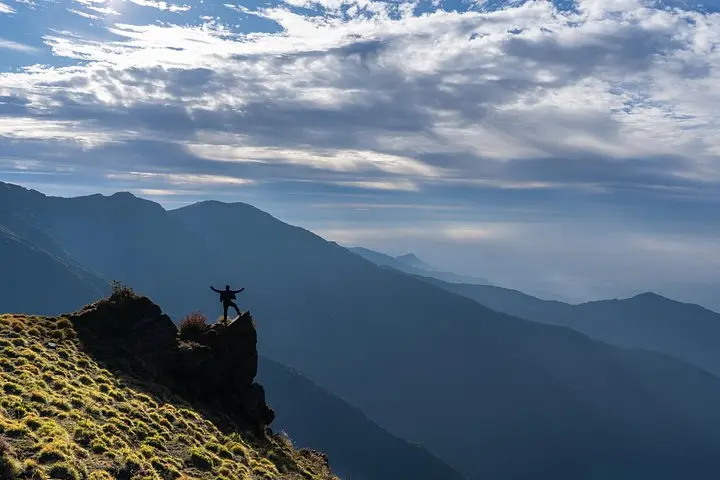
Expect narrow, often-steep trails with long stone steps, shaded forest corridors of oak and rhododendron, and sudden alpine meadows approaching High Camp. At 4,500 m the Mardi Himal Base Camp gives a close-up classroom view of glacially carved cirques and serrated peaks; sunrise here is why people accept the thin air and early starts.
Practical guidance: plan two full acclimatization days in the itinerary (the offered schedule includes gradual ascent and descent sections), use layered insulation and a reliable sleeping bag rated to -10°C or colder for nights at High Camp, and keep daily hiking to 4–6 hours on harder days with contingency for weather. Hydrate proactively—altitude often dulls thirst—carry water purification, and travel with a guide familiar with local permits (ACAP/TIMS are required). Footwear with sticky soles and ankle support will make steep, rocky sections easier. Leave no trace: pack out plastics and respect tea-house waste practices.
You need the Annapurna Conservation Area Permit (ACAP) and a TIMS card; guides or operators typically arrange these before the trek.
The final section is steep and rocky with exposure to wind and altitude—expect loose scree and short, steep pitches that require careful footing.
Yes — teahouse accommodation and full-board meals are standard through the trek until High Camp; expect basic facilities and shared rooms near higher altitude stops.
Spring (March–May) and autumn (Sept–Nov) offer the clearest mountain views and stable weather; monsoon brings thick clouds and winter intensifies cold and snow at higher camps.
KJ Adventure Nepal Private Limited operates guided outdoor trips and adventures with an emphasis on safety, stewardship, and memorable experiences.
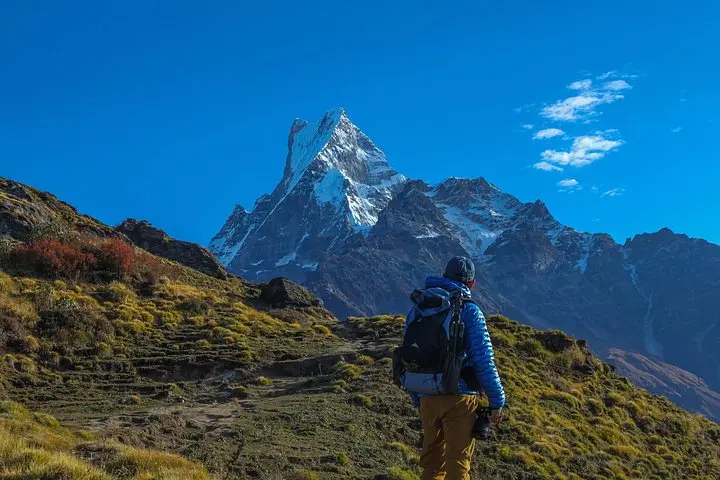
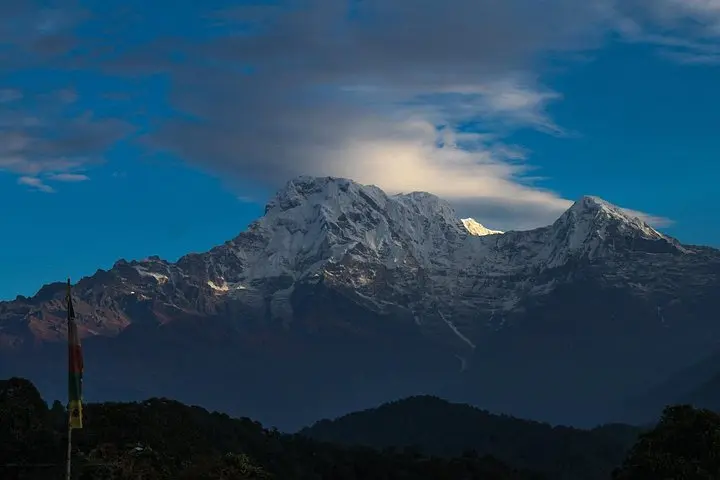
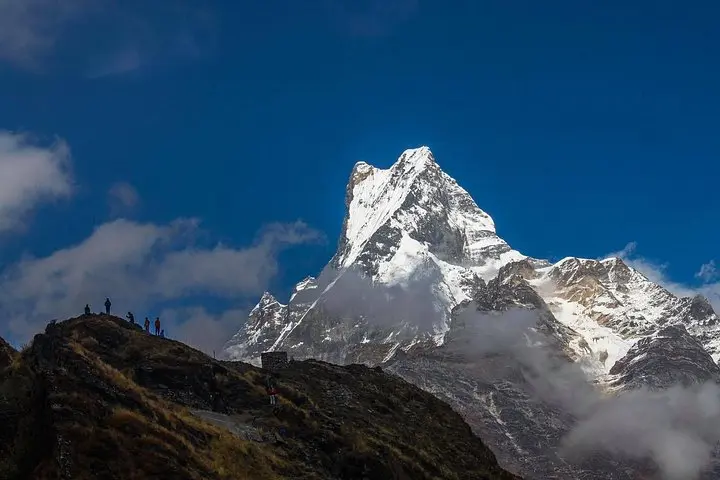
Dawn on the ridge feels immediate: a cold wind pushes across your face and the first teeth of Annapurna South and Machhapuchhre cut the sky. On the Mardi Himal Trek you move from terraced rice valleys near Pokhara into rhododendron-clad forests, then above the treeline into scrubby ridges that expose the massif in increasing detail.
Dawn on the ridge feels immediate: a cold wind pushes across your face and the first teeth of Annapurna South and Machhapuchhre cut the sky. On the Mardi Himal Trek you move from terraced rice valleys near Pokhara into rhododendron-clad forests, then above the treeline into scrubby ridges that expose the massif in increasing detail.
This route opened more recently to trekkers as an alternative, off-the-beaten-route approach east of Annapurna Base Camp. Geologically the trail climbs over weathered metamorphic rock and glacial outwash; culturally it threads through Gurung and Magar villages where stone houses and mani walls mark long-established hill farming communities.
Expect narrow, often-steep trails with long stone steps, shaded forest corridors of oak and rhododendron, and sudden alpine meadows approaching High Camp. At 4,500 m the Mardi Himal Base Camp gives a close-up classroom view of glacially carved cirques and serrated peaks; sunrise here is why people accept the thin air and early starts.
Practical guidance: plan two full acclimatization days in the itinerary (the offered schedule includes gradual ascent and descent sections), use layered insulation and a reliable sleeping bag rated to -10°C or colder for nights at High Camp, and keep daily hiking to 4–6 hours on harder days with contingency for weather. Hydrate proactively—altitude often dulls thirst—carry water purification, and travel with a guide familiar with local permits (ACAP/TIMS are required). Footwear with sticky soles and ankle support will make steep, rocky sections easier. Leave no trace: pack out plastics and respect tea-house waste practices.