THE ADVENTURE COLLECTIVE® · Independent discovery and booking for outdoor travel

A quieter alternative in the Annapurnas, the Mardi Himal trek threads rhododendron forests and exposed ridgelines for close, dramatic views of Machhapuchhre and the Annapurna range. This practical guide covers what to expect, when to go, and how to prepare.
A quieter alternative in the Annapurnas, the Mardi Himal trek threads rhododendron forests and exposed ridgelines for close, dramatic views of Machhapuchhre and the Annapurna range. This practical guide covers what to expect, when to go, and how to prepare.
A thin morning mist lifts off a rhododendron slope as the first trekkers break trail toward High Camp. The air sharpens with each switchback; Annapurna’s jagged skyline slides into view—Machhapuchhre (Fishtail) rising like a folded blade, Annapurna South and Gangapurna stacked behind it.
Verified experiences and guided adventures in the surrounding area.
Operated by Shiva Excursion pvt.ltd. · Pokhara, Gandaki Province
A thin morning mist lifts off a rhododendron slope as the first trekkers break trail toward High Camp. The air sharpens with each switchback; Annapurna’s jagged skyline slides into view—Machhapuchhre (Fishtail) rising like a folded blade, Annapurna South and Gangapurna stacked behind it.
Mardi Himal is a newer, less-traveled corridor of the Annapurna Conservation Area, opened to regulated trekking in the 2010s and managed under ACAP. Geologically, the route climbs the southern flanks of the Annapurna massif where glacially carved valleys meet younger terraced foothills; soils change from alluvial riverbeds to thin alpine scree above tree line. Culturally the trail threads small Gurung villages—tea houses are simple, household life is visible, and local customs remain largely unchanged by mass tourism.
Expect narrow dirt tracks that wind through dense rhododendron and oak, then widen into exposed ridgelines above 3,000–3,500 m. The stretch from High Camp to Mardi Base/Viewpoint is the most demanding: short, steep pitches and potential snow in shoulder seasons. Views reward effort—close, framed faces of Machhapuchhre and a broad sweep of the Annapurna range.
Practical guidance: plan 4–6 days from Pokhara, acclimatize slowly, and carry layers for swings between warm valleys and cold high camps. Footwear with aggressive tread and a light down or synthetic insulation are essential; days average 4–7 hours on trail. Respect local water and waste rules—tea houses provide basic full-board options but pack out or minimize single-use waste. Start early to avoid afternoon cloud buildup and give extra time for steep sections—Mardi is quiet, scenic, and best tackled with deliberate pacing.
Yes—trekkers must obtain Annapurna Conservation Area permits (ACAP) and a TIMS card; these are typically processed in Pokhara through agencies or at the trailhead checkpoints.
Treks commonly reach High Camp and the Mardi viewpoint, with typical high points around 3,500–4,500 meters depending on the exact route chosen—plan for altitude changes accordingly.
Yes, the standard Mardi Himal route is serviced by basic tea houses providing full-board meals and simple rooms; amenities are limited higher on the trail.
Spring (March–May) and autumn (September–November) offer the most stable weather and rhododendron blooms in spring; monsoon brings heavy rain and winter can bring significant snow above 3,000 m.
Shiva Excursion pvt.ltd. operates guided outdoor trips and adventures with an emphasis on safety, stewardship, and memorable experiences.
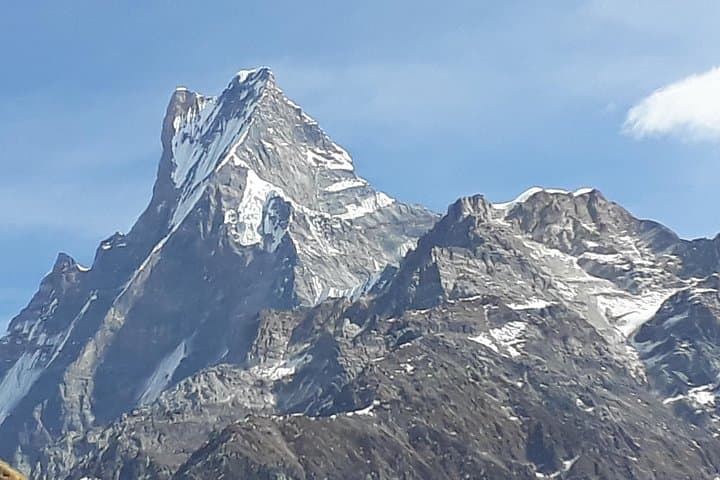
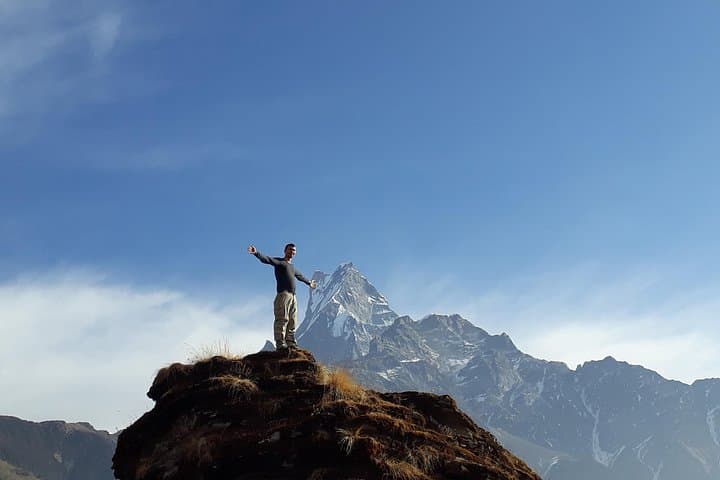
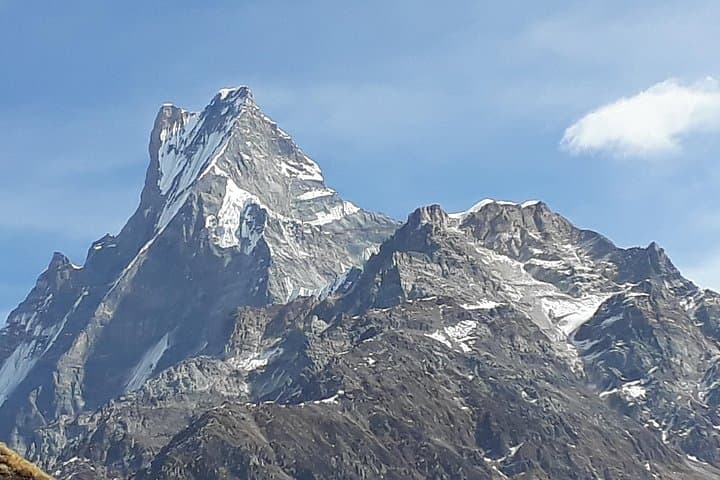
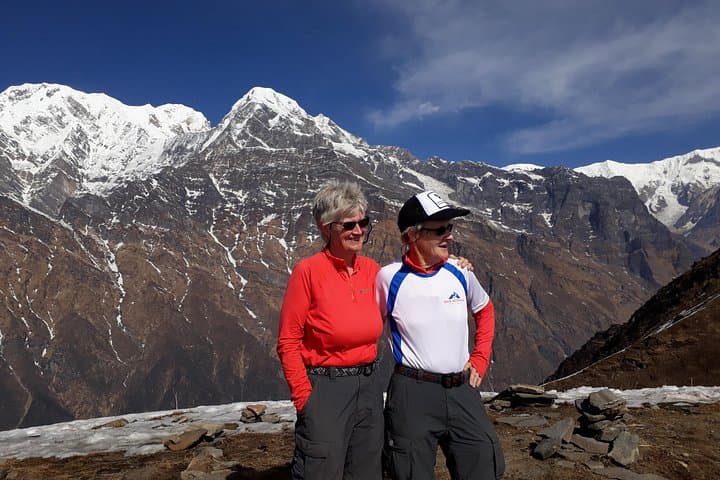
A thin morning mist lifts off a rhododendron slope as the first trekkers break trail toward High Camp. The air sharpens with each switchback; Annapurna’s jagged skyline slides into view—Machhapuchhre (Fishtail) rising like a folded blade, Annapurna South and Gangapurna stacked behind it.
A thin morning mist lifts off a rhododendron slope as the first trekkers break trail toward High Camp. The air sharpens with each switchback; Annapurna’s jagged skyline slides into view—Machhapuchhre (Fishtail) rising like a folded blade, Annapurna South and Gangapurna stacked behind it.
Mardi Himal is a newer, less-traveled corridor of the Annapurna Conservation Area, opened to regulated trekking in the 2010s and managed under ACAP. Geologically, the route climbs the southern flanks of the Annapurna massif where glacially carved valleys meet younger terraced foothills; soils change from alluvial riverbeds to thin alpine scree above tree line. Culturally the trail threads small Gurung villages—tea houses are simple, household life is visible, and local customs remain largely unchanged by mass tourism.
Expect narrow dirt tracks that wind through dense rhododendron and oak, then widen into exposed ridgelines above 3,000–3,500 m. The stretch from High Camp to Mardi Base/Viewpoint is the most demanding: short, steep pitches and potential snow in shoulder seasons. Views reward effort—close, framed faces of Machhapuchhre and a broad sweep of the Annapurna range.
Practical guidance: plan 4–6 days from Pokhara, acclimatize slowly, and carry layers for swings between warm valleys and cold high camps. Footwear with aggressive tread and a light down or synthetic insulation are essential; days average 4–7 hours on trail. Respect local water and waste rules—tea houses provide basic full-board options but pack out or minimize single-use waste. Start early to avoid afternoon cloud buildup and give extra time for steep sections—Mardi is quiet, scenic, and best tackled with deliberate pacing.