THE ADVENTURE COLLECTIVE® · Independent discovery and booking for outdoor travel

A guided Jeep tour along the Cabot Trail through the Margaree Valley delivers river views, mountain climbs, and local stories about salmon, settlement, and geology. In about two hours you'll sample hidden viewpoints, a historic hatchery visit, and classic Cape Breton country roads.
A guided Jeep tour along the Cabot Trail through the Margaree Valley delivers river views, mountain climbs, and local stories about salmon, settlement, and geology. In about two hours you'll sample hidden viewpoints, a historic hatchery visit, and classic Cape Breton country roads.
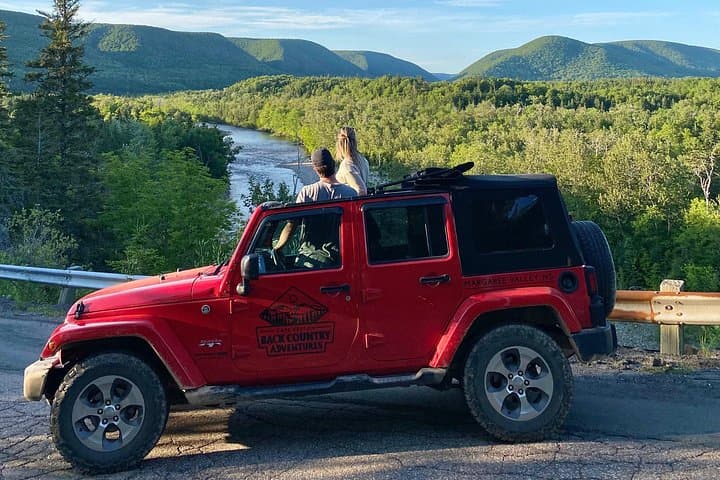
The Jeep noses up a gravel spine, tires kicking up salt-sweet Atlantic air as the Margaree River dares you to follow. In two hours the landscape unfolds from river flats to the steeper ribs of Fraser's Mountain, with puddle-splashed farm lanes, roadside stands, and sudden panoramic windows into the valley below.
Verified experiences and guided adventures in the surrounding area.
Operated by Cape Breton Backcountry Adventures · Margaree Valley, Nova Scotia
The Jeep noses up a gravel spine, tires kicking up salt-sweet Atlantic air as the Margaree River dares you to follow. In two hours the landscape unfolds from river flats to the steeper ribs of Fraser's Mountain, with puddle-splashed farm lanes, roadside stands, and sudden panoramic windows into the valley below.
This stretch of Cape Breton carries layers of human and natural history: Mi'kmaq use of the valley, Highland Scottish settlement, and small-scale fishing and farming that shaped local roads and place names. Geologically, the Margaree cuts through ancient granites and glacial tills; the valley is a low, fertile trough carved at the edge of the Cape Breton Highlands. Guides often bring these facts to life with local stories—family farms two centuries old, salmon runs that once sustained whole communities, and a hatchery that still plays a role in conservation.
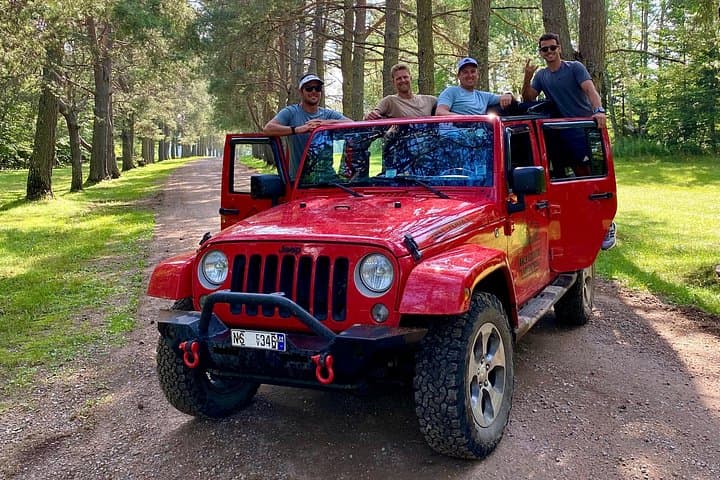
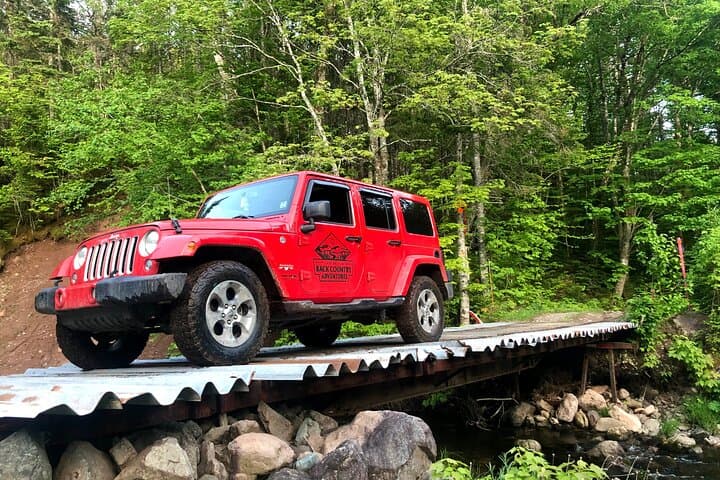
Expect an experiential mix: on-road cruising along the Cabot Trail, short stops for valley views and a private hatchery tour, and some on/off-road driving through narrower country lanes. The removable roof on the Jeep opens the sky and tightens the relationship with wind and weather, while an air-conditioned cabin keeps things comfortable when conditions turn.
Practical guidance: wear grippy shoes for short walks, bring a waterproof layer and sun protection, and pack a camera with a close-focusing lens for river and raptor shots. Tours run year-round but timing matters—late spring and early fall offer active salmon rivers and migratory birds, summer brings long light, and winter transforms the route into a stark, quiet landscape best left to skilled winter operators. Book in advance and allow time afterward to wander a gallery or roadside bakery—the valley rewards slow travel.
Yes—infants and small children can ride in a stroller but you must provide a proper car seat for infants; check with the operator before booking.
The tour combines paved sections of the Cabot Trail with gravel and dirt lanes; it’s not extreme off-roading but expect bumps and occasional mud.
Yes—guides make multiple short stops for viewpoints, a hatchery visit, and brief walks; plan for uneven ground and short distances.
Full refund if you cancel at least 24 hours before departure; no refund within 24 hours of the tour start time.
Cape Breton Backcountry Adventures operates guided outdoor trips and adventures with an emphasis on safety, stewardship, and memorable experiences.

The Jeep noses up a gravel spine, tires kicking up salt-sweet Atlantic air as the Margaree River dares you to follow. In two hours the landscape unfolds from river flats to the steeper ribs of Fraser's Mountain, with puddle-splashed farm lanes, roadside stands, and sudden panoramic windows into the valley below.
The Jeep noses up a gravel spine, tires kicking up salt-sweet Atlantic air as the Margaree River dares you to follow. In two hours the landscape unfolds from river flats to the steeper ribs of Fraser's Mountain, with puddle-splashed farm lanes, roadside stands, and sudden panoramic windows into the valley below.
This stretch of Cape Breton carries layers of human and natural history: Mi'kmaq use of the valley, Highland Scottish settlement, and small-scale fishing and farming that shaped local roads and place names. Geologically, the Margaree cuts through ancient granites and glacial tills; the valley is a low, fertile trough carved at the edge of the Cape Breton Highlands. Guides often bring these facts to life with local stories—family farms two centuries old, salmon runs that once sustained whole communities, and a hatchery that still plays a role in conservation.
Expect an experiential mix: on-road cruising along the Cabot Trail, short stops for valley views and a private hatchery tour, and some on/off-road driving through narrower country lanes. The removable roof on the Jeep opens the sky and tightens the relationship with wind and weather, while an air-conditioned cabin keeps things comfortable when conditions turn.
Practical guidance: wear grippy shoes for short walks, bring a waterproof layer and sun protection, and pack a camera with a close-focusing lens for river and raptor shots. Tours run year-round but timing matters—late spring and early fall offer active salmon rivers and migratory birds, summer brings long light, and winter transforms the route into a stark, quiet landscape best left to skilled winter operators. Book in advance and allow time afterward to wander a gallery or roadside bakery—the valley rewards slow travel.