THE ADVENTURE COLLECTIVE® · Independent discovery and booking for outdoor travel

Spend an accessible half day at Mari Mari Cultural Village, a hands-on introduction to five indigenous groups of Sabah. The guided tour includes demonstrations, performances and a traditional bamboo-cooked lunch.
Spend an accessible half day at Mari Mari Cultural Village, a hands-on introduction to five indigenous groups of Sabah. The guided tour includes demonstrations, performances and a traditional bamboo-cooked lunch.
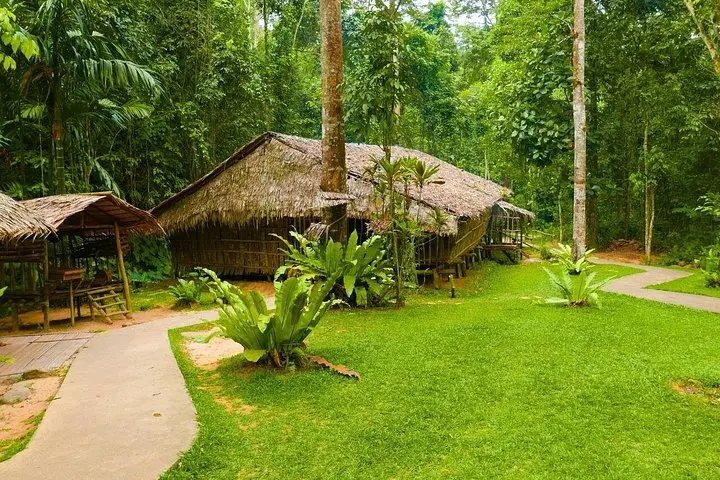
Humidity lifts off your skin as the van slips away from Kota Kinabalu and the landscape opens into low hills and rubber trees. After about 25 minutes you arrive at Mari Mari Cultural Village, where longhouses, bamboo kitchens and thatched roofs assemble like chapters of Sabah’s indigenous story. The village’s pathways are compacted earth; the air smells of smoke and coconut oil, and performers call you over to learn a step or take hold of a blowpipe.
Verified experiences and guided adventures in the surrounding area.
Operated by Discova Southeast Asia · Kota Kinabalu, Sabah
Humidity lifts off your skin as the van slips away from Kota Kinabalu and the landscape opens into low hills and rubber trees. After about 25 minutes you arrive at Mari Mari Cultural Village, where longhouses, bamboo kitchens and thatched roofs assemble like chapters of Sabah’s indigenous story. The village’s pathways are compacted earth; the air smells of smoke and coconut oil, and performers call you over to learn a step or take hold of a blowpipe.
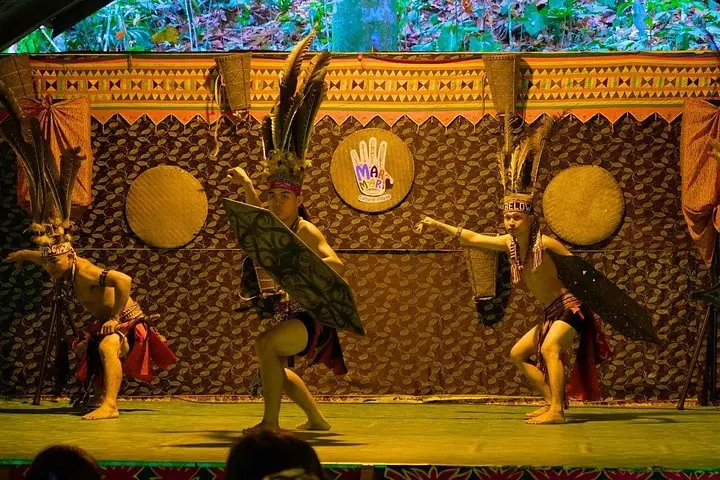
Mari Mari is a living museum that represents five Sabah ethnic groups — visitors commonly encounter demonstrations from the Dusun, Bajau, Rungus, Lundayeh and Murut communities. The architecture and craftwork reflect local geology: timber and rattan harvested from nearby lowland rainforest, bamboo split and cured for cooking and tools. Cultural performances and ritual dances recall longhouse ceremonies and subsistence techniques adapted to Borneo’s wet–dry cycle.
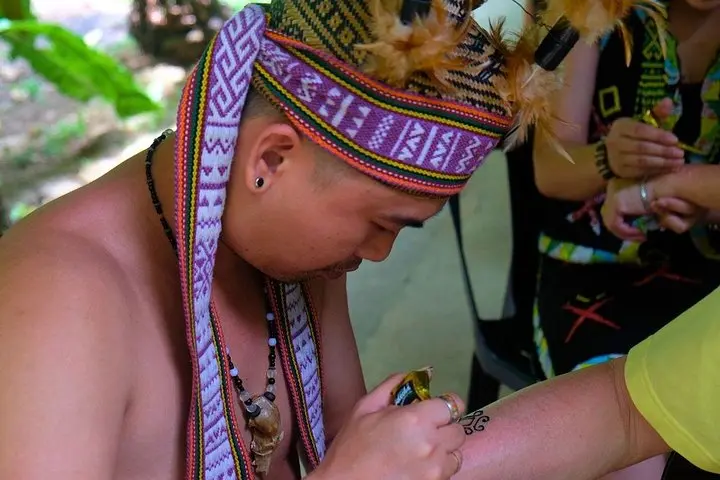
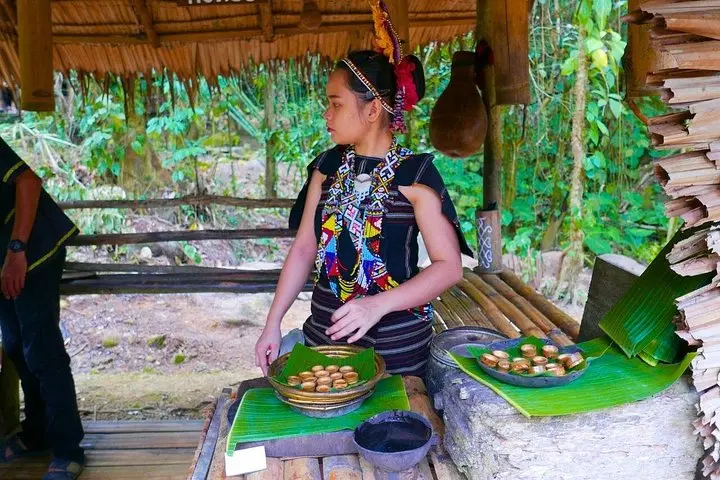
Practicalities are straightforward: the experience runs about five hours, includes hotel pickup and a traditional lunch cooked in bamboo over open fire. Expect light walking on uneven ground, hands-on demonstrations (blowpipe, tattoo-pattern painting, weaving), and opportunities to buy handmade crafts directly from villagers.
Plan for sun and sudden tropical showers, bring insect repellent and carry small change for purchases. Respect requests from hosts about photography during rituals and follow the guide’s briefing on where to step and what to touch. For travelers who want a short, accessible cultural immersion outside the city, Mari Mari offers concentrated insight into Sabah’s living heritage without straying far from Kota Kinabalu.
The itinerary runs about five hours, including hotel pickup, the village visit with demonstrations, lunch, and return transfer.
Yes—activities are low-impact and the tour is described as easy, but infants must sit on laps and pregnant travelers are advised against participating.
Yes—a traditional lunch prepared using local techniques (often bamboo-cooked) is included in the booking.
Yes—artisans sell handmade items on-site; bring small cash and expect to negotiate prices politely.
Discova Southeast Asia operates guided outdoor trips and adventures with an emphasis on safety, stewardship, and memorable experiences.
Humidity lifts off your skin as the van slips away from Kota Kinabalu and the landscape opens into low hills and rubber trees. After about 25 minutes you arrive at Mari Mari Cultural Village, where longhouses, bamboo kitchens and thatched roofs assemble like chapters of Sabah’s indigenous story. The village’s pathways are compacted earth; the air smells of smoke and coconut oil, and performers call you over to learn a step or take hold of a blowpipe.
Humidity lifts off your skin as the van slips away from Kota Kinabalu and the landscape opens into low hills and rubber trees. After about 25 minutes you arrive at Mari Mari Cultural Village, where longhouses, bamboo kitchens and thatched roofs assemble like chapters of Sabah’s indigenous story. The village’s pathways are compacted earth; the air smells of smoke and coconut oil, and performers call you over to learn a step or take hold of a blowpipe.
Mari Mari is a living museum that represents five Sabah ethnic groups — visitors commonly encounter demonstrations from the Dusun, Bajau, Rungus, Lundayeh and Murut communities. The architecture and craftwork reflect local geology: timber and rattan harvested from nearby lowland rainforest, bamboo split and cured for cooking and tools. Cultural performances and ritual dances recall longhouse ceremonies and subsistence techniques adapted to Borneo’s wet–dry cycle.
Practicalities are straightforward: the experience runs about five hours, includes hotel pickup and a traditional lunch cooked in bamboo over open fire. Expect light walking on uneven ground, hands-on demonstrations (blowpipe, tattoo-pattern painting, weaving), and opportunities to buy handmade crafts directly from villagers.
Plan for sun and sudden tropical showers, bring insect repellent and carry small change for purchases. Respect requests from hosts about photography during rituals and follow the guide’s briefing on where to step and what to touch. For travelers who want a short, accessible cultural immersion outside the city, Mari Mari offers concentrated insight into Sabah’s living heritage without straying far from Kota Kinabalu.