THE ADVENTURE COLLECTIVE® · Independent discovery and booking for outdoor travel

A day-long cruise from Triabunna to Ile Des Phoques and Maria Island delivers close seal encounters, coastal caverns and a guided walk through a convict-era settlement. Expect wildlife-rich waters, dramatic granite cliffs and a relaxed shore visit with lunch.
A day-long cruise from Triabunna to Ile Des Phoques and Maria Island delivers close seal encounters, coastal caverns and a guided walk through a convict-era settlement. Expect wildlife-rich waters, dramatic granite cliffs and a relaxed shore visit with lunch.
You step off the small jetty as the boat eases away and the coastline opens like a set of pages — jagged granite cliffs, iridescent Painted Cliffs, and the sudden keening of seabirds.
Verified experiences and guided adventures in the surrounding area.
Operated by Maria Island Cruises · Triabunna, Tasmania
You step off the small jetty as the boat eases away and the coastline opens like a set of pages — jagged granite cliffs, iridescent Painted Cliffs, and the sudden keening of seabirds.
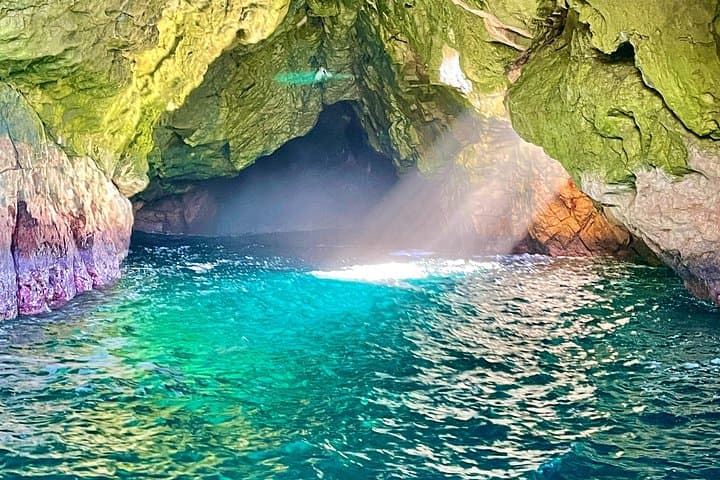
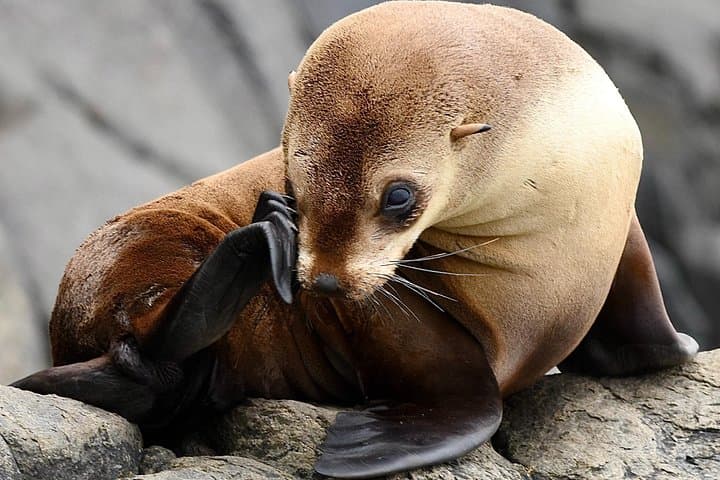
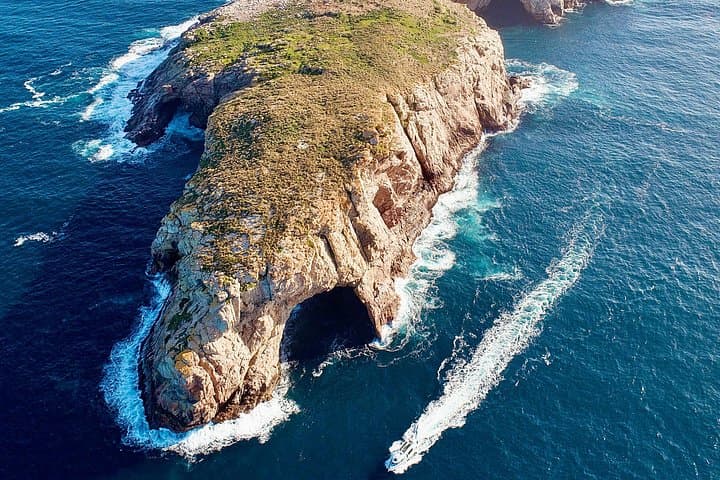
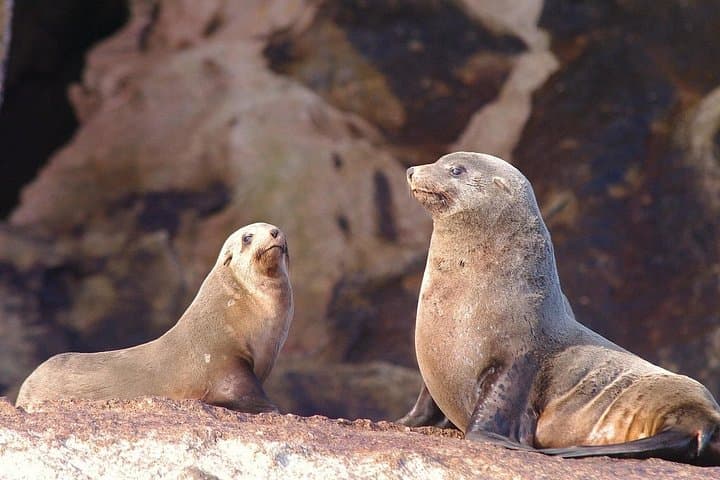
The morning heading out from Triabunna gives you the ocean: wind pushing, dolphins cutting arcs, albatrosses riding thermals. The first stop, Ile Des Phoques (Island of Seals), places you quietly among Australian fur seals that have reclaimed their breeding ground after centuries of commercial sealing. Later the vessel slides into Rainbow Caves — broad granite caverns carved by relentless seas — then eases alongside Maria Island’s white-sand beaches for a shaded lunch and a guided walk through Darlington’s convict-era buildings.
Geology here is blunt and old: Devonian and Ordovician sandstones and granite exposed by coastal erosion frame fossils and cliffs prized by geologists. Culturally the island reads like a layered field journal — Aboriginal use, a convict probation station, later farming and now a protected national park and marine reserve.
Practically, the day is structured: a 4-hour cruise with a 2-hour guided onshore visit, onboard lunch with local wine, and return to Triabunna by late afternoon. Wear sturdy walking shoes for uneven turf, bring waterproof layers for wind and spray, and a daypack for snacks and camera gear. Seas can be choppy; if you’re prone to motion sickness take preventative measures before departure. Expect close wildlife viewing but observe quietly — the experience depends on respectful distance and patient watching.
Yes — the cruise is family-friendly, small groups and short onshore walks make it suitable for kids, though supervision around wildlife and water is required.
Swimming is possible from sheltered beaches but conditions vary; bring a wetsuit for colder seasons and check with guides before entering the water.
Tours may be modified to circumnavigate Maria Island if Ile Des Phoques is inaccessible; the operator will cancel and refund if conditions are unsafe.
No — sightings are frequent (seals, dolphins, wombats, kangaroos) but depend on season and conditions; guides maximize opportunities while following conservation rules.
Maria Island Cruises operates guided outdoor trips and adventures with an emphasis on safety, stewardship, and memorable experiences.
You step off the small jetty as the boat eases away and the coastline opens like a set of pages — jagged granite cliffs, iridescent Painted Cliffs, and the sudden keening of seabirds.
You step off the small jetty as the boat eases away and the coastline opens like a set of pages — jagged granite cliffs, iridescent Painted Cliffs, and the sudden keening of seabirds.
The morning heading out from Triabunna gives you the ocean: wind pushing, dolphins cutting arcs, albatrosses riding thermals. The first stop, Ile Des Phoques (Island of Seals), places you quietly among Australian fur seals that have reclaimed their breeding ground after centuries of commercial sealing. Later the vessel slides into Rainbow Caves — broad granite caverns carved by relentless seas — then eases alongside Maria Island’s white-sand beaches for a shaded lunch and a guided walk through Darlington’s convict-era buildings.
Geology here is blunt and old: Devonian and Ordovician sandstones and granite exposed by coastal erosion frame fossils and cliffs prized by geologists. Culturally the island reads like a layered field journal — Aboriginal use, a convict probation station, later farming and now a protected national park and marine reserve.
Practically, the day is structured: a 4-hour cruise with a 2-hour guided onshore visit, onboard lunch with local wine, and return to Triabunna by late afternoon. Wear sturdy walking shoes for uneven turf, bring waterproof layers for wind and spray, and a daypack for snacks and camera gear. Seas can be choppy; if you’re prone to motion sickness take preventative measures before departure. Expect close wildlife viewing but observe quietly — the experience depends on respectful distance and patient watching.