THE ADVENTURE COLLECTIVE® · Independent discovery and booking for outdoor travel

Sail from Nuevo Vallarta to the volcanic Marietas Islands for snorkeling, wildlife spotting and access to the famed hidden beach. This full-day trip combines calm sailing, reef swims and guided landings with expert local conservation rules.
Sail from Nuevo Vallarta to the volcanic Marietas Islands for snorkeling, wildlife spotting and access to the famed hidden beach. This full-day trip combines calm sailing, reef swims and guided landings with expert local conservation rules.
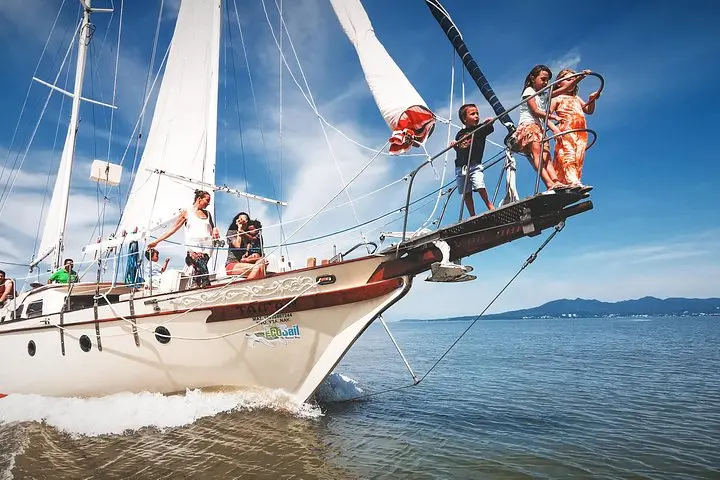
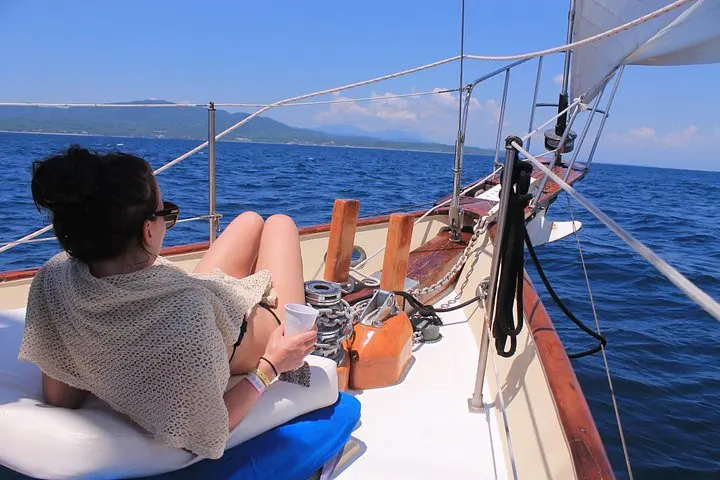
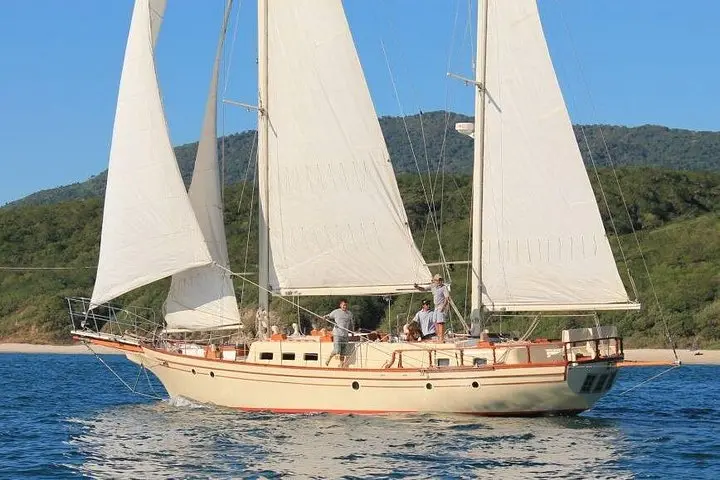
The bow cuts the Bahía de Banderas at first light, salt spray tasting of open ocean as Punta Mita shrinks behind you and the Marietas Islands rise from the blue like weathered basalt sculptures.
Verified experiences and guided adventures in the surrounding area.
Operated by GoPralia · Nuevo Vallarta, Nayarit
The bow cuts the Bahía de Banderas at first light, salt spray tasting of open ocean as Punta Mita shrinks behind you and the Marietas Islands rise from the blue like weathered basalt sculptures.
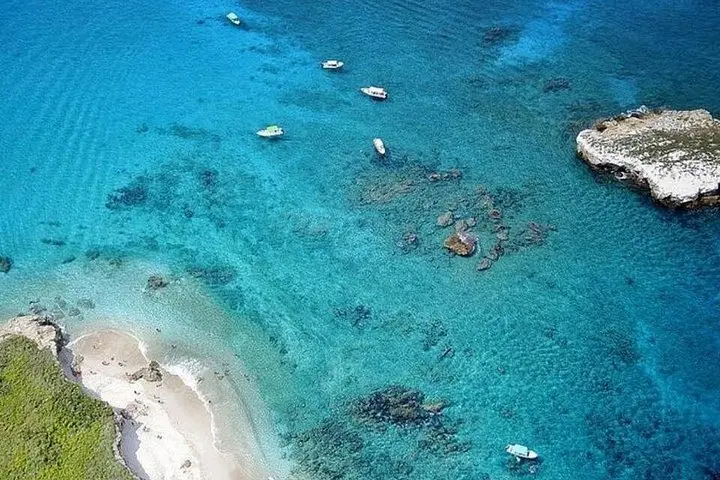
These small volcanic isles are a protected national park—scarred by past military target practice and reshaped by waves into sea caves, arches and the famous “hidden” Playa del Amor. Geology here is simple and raw: layered volcanic rock giving way to rocky reefs that host corals, octopus lairs and kelp-swept channels. Culturally, the islands fall under Nayarit’s stewardship and local guides emphasize species protection; more than a hundred bird species nest on the cliffs and migratory whales traverse the bay from December to mid-March.
On a typical full-day sail you’ll stop for two hours of snorkeling over shallow reefs—expect clear water, schools of tropical fish, spotted rays and the occasional green turtle. Guides provide masks, fins and life vests; paddleboards and a deli-style lunch keep the pace relaxed. If sea conditions allow, a short swim or tender brings visitors into sheltered coves and the hidden beach entrance.
Practical guidance: book morning departures for calmer seas, bring reef-safe sunscreen and a waterproof camera, and take seasickness meds if you’re sensitive. Dress in quick-dry layers and water shoes for rocky landings. Respect the park rules: no touching wildlife or coral, and follow guide instructions for beach access. For photographers and snorkelers alike, this is a half-day of concentrated marine diversity with straightforward logistics—ideal for travelers comfortable on small boats who want a vivid encounter with Pacific wildlife.
Yes—guides supply well-sanitized masks, fins and life vests; you can bring your own if preferred.
Access depends on sea conditions and park regulations; guides follow strict entry rules and may substitute other stops if conditions are unsafe.
Whale-watching opportunities are best between December 8 and March 15, when humpbacks frequent the bay during migration.
The tour is marketed as accessible for most fitness levels, but non-swimmers should remain in life vests and small children must sit on laps as required by the operator.
GoPralia operates guided outdoor trips and adventures with an emphasis on safety, stewardship, and memorable experiences.
The bow cuts the Bahía de Banderas at first light, salt spray tasting of open ocean as Punta Mita shrinks behind you and the Marietas Islands rise from the blue like weathered basalt sculptures.
The bow cuts the Bahía de Banderas at first light, salt spray tasting of open ocean as Punta Mita shrinks behind you and the Marietas Islands rise from the blue like weathered basalt sculptures.
These small volcanic isles are a protected national park—scarred by past military target practice and reshaped by waves into sea caves, arches and the famous “hidden” Playa del Amor. Geology here is simple and raw: layered volcanic rock giving way to rocky reefs that host corals, octopus lairs and kelp-swept channels. Culturally, the islands fall under Nayarit’s stewardship and local guides emphasize species protection; more than a hundred bird species nest on the cliffs and migratory whales traverse the bay from December to mid-March.
On a typical full-day sail you’ll stop for two hours of snorkeling over shallow reefs—expect clear water, schools of tropical fish, spotted rays and the occasional green turtle. Guides provide masks, fins and life vests; paddleboards and a deli-style lunch keep the pace relaxed. If sea conditions allow, a short swim or tender brings visitors into sheltered coves and the hidden beach entrance.
Practical guidance: book morning departures for calmer seas, bring reef-safe sunscreen and a waterproof camera, and take seasickness meds if you’re sensitive. Dress in quick-dry layers and water shoes for rocky landings. Respect the park rules: no touching wildlife or coral, and follow guide instructions for beach access. For photographers and snorkelers alike, this is a half-day of concentrated marine diversity with straightforward logistics—ideal for travelers comfortable on small boats who want a vivid encounter with Pacific wildlife.