
Marlborough Wine Tour from Picton: 4–6 Hour Wairau Valley Cellar Door Experience
Spend 4–6 hours trading harbor views for vine rows on a small‑group tasting tour from Picton. Visit up to four appointment‑only cellar doors in the Wairau Valley, sample Sauvignon Blanc alongside Pinot Noir and bubbles, and enjoy a vineyard platter or lunch at a scenic stop.
An Adventure In Picton.
Spend 4–6 hours trading harbor views for vine rows on a small‑group tasting tour from Picton. Visit up to four appointment‑only cellar doors in the Wairau Valley, sample Sauvignon Blanc alongside Pinot Noir and bubbles, and enjoy a vineyard platter or lunch at a scenic stop.
Read the full experience
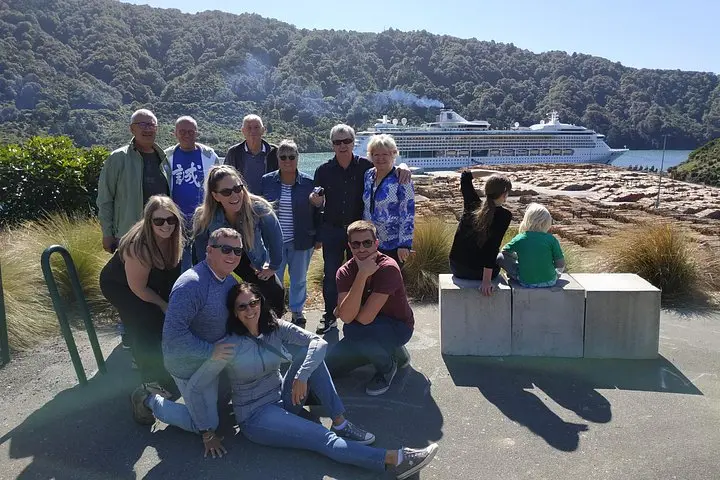
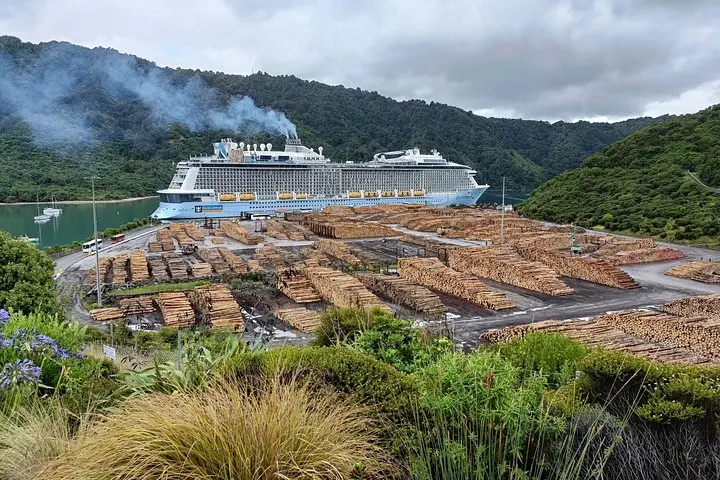
You step off the cruise shuttle at the Picton I-Site with the chill of the Marlborough Sounds still in your hair and grape-scented air waiting inland. A small coach hums to life and the harbor shrinks behind you as the road climbs toward the Wairau Valley. Vine rows run like narrow green highways toward distant hills; your guide points out the cruise ship shrinking in the inlet and tells a story about the first commercial vines planted in the region — and you realize today is part tasting, part landscape tour.
You step off the cruise shuttle at the Picton I-Site with the chill of the Marlborough Sounds still in your hair and grape-scented air waiting inland. A small coach hums to life and the harbor shrinks behind you as the road climbs toward the Wairau Valley. Vine rows run like narrow green highways toward distant hills; your guide points out the cruise ship shrinking in the inlet and tells a story about the first commercial vines planted in the region — and you realize today is part tasting, part landscape tour.
Marlborough’s rise to global fame is recent but rapid: commercial plantings exploded in the 1970s and the region’s cool, maritime climate, long daylight hours and free‑draining alluvial soils around the Wairau River proved ideal for crisp Sauvignon Blanc. Geology matters here — the Wairau gravel plains, shaped by braided river systems and wind, give vines the stress that concentrates flavor. Beyond Sauvignon the valley produces Pinot Noir, Chardonnay and Methode Traditionnelle sparkling wines from compact family producers and appointment‑only cellar doors.
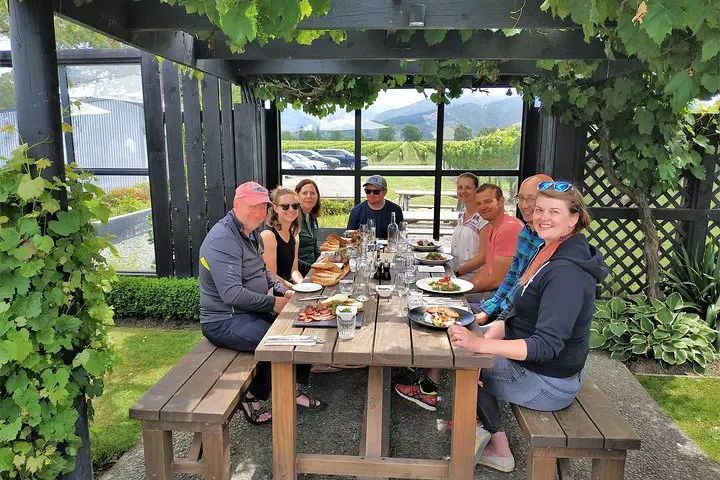
Culture in Marlborough is direct and convivial. Cellar doors are small theatres where winemakers explain soil parcels, canopy work and harvest decisions between pours; lunches are long affairs with local cheeses, oysters and platters reflective of seasonal produce. Many vineyards operate sustainably — cover crops, reduced irrigation and organic blocks are increasingly common — and the day’s itinerary balances three to four private cellar‑door visits with a platter or lunch stop.
Practicalities are straightforward. Tours run 4–6 hours and include air‑conditioned transportation from the Picton shuttle meeting point and all standard tasting fees at visited wineries; lunch cost is usually the guest’s responsibility. Groups are intentionally small (max ~13), which keeps visits appointment‑based and relaxed. Bring government ID for tastings, cash or card for any wine purchases and leave large luggage on the ship — the tour is designed around cruise schedules and returns you to the Picton meeting point.
Timing and comfort matter: Marlborough’s weather can shift quickly — sunny mornings give way to cool afternoons — so dress in layers and wear comfortable, clean shoes for gravel cellar doors. If you’re photographing the day, aim for late morning light in the valley and golden hour back toward the coast for dramatic backlighting on vine rows. Ask your guide about lesser‑known producers in Awatere Valley or single‑vineyard Pinot tastings — those stops are where you’ll meet families who make wine by soil map and memory.
This is a day that pairs learning with slow savoring: an accessible, sensory way to read Marlborough’s land in a glass and come away with names and bottles you’ll remember long after the ship departs.
Frequently asked questions
Tours run approximately 4–6 hours depending on your cruise ship schedule and number of cellar doors visited.
Yes—standard cellar‑door tasting fees at the wineries visited are included in the tour price.
The tour meets at the Picton I‑Site where the free cruise shuttle drops passengers; return to the meeting point is included.
Yes—most cellar doors sell bottles and many offer shipping or can arrange courier delivery if you can’t take bottles on board.
Children are allowed on private tours; tastings are obviously for adults, so plan accordingly for family groups.
Tours can be cancelled due to poor weather; check cancellation terms and contact the operator for rescheduling or refunds.
About This Experience
Discovery Wine Tours - Marlborough, Blenheim, Havelock, Picton, Renwick operates guided outdoor trips and adventures with an emphasis on safety, stewardship, and memorable experiences.
Adventure tips
Recommended gear
- Government ID (passport): Required for wine tastings and age verification at cellar doors.
- Comfortable shoes: Most cellar doors have gravel or compacted earth surfaces—flat, supportive shoes work best.
- Layered jacket: Wind and cooler afternoons make a light jacket or fleece useful in shoulder seasons.
- Sunscreen and sunglasses: Marlborough sun is strong across exposed vineyards—protect skin and eyes during outdoor tastings.
Photos of the experience
Related adventures & guides
Read the full experience
You step off the cruise shuttle at the Picton I-Site with the chill of the Marlborough Sounds still in your hair and grape-scented air waiting inland. A small coach hums to life and the harbor shrinks behind you as the road climbs toward the Wairau Valley. Vine rows run like narrow green highways toward distant hills; your guide points out the cruise ship shrinking in the inlet and tells a story about the first commercial vines planted in the region — and you realize today is part tasting, part landscape tour.
You step off the cruise shuttle at the Picton I-Site with the chill of the Marlborough Sounds still in your hair and grape-scented air waiting inland. A small coach hums to life and the harbor shrinks behind you as the road climbs toward the Wairau Valley. Vine rows run like narrow green highways toward distant hills; your guide points out the cruise ship shrinking in the inlet and tells a story about the first commercial vines planted in the region — and you realize today is part tasting, part landscape tour.
Marlborough’s rise to global fame is recent but rapid: commercial plantings exploded in the 1970s and the region’s cool, maritime climate, long daylight hours and free‑draining alluvial soils around the Wairau River proved ideal for crisp Sauvignon Blanc. Geology matters here — the Wairau gravel plains, shaped by braided river systems and wind, give vines the stress that concentrates flavor. Beyond Sauvignon the valley produces Pinot Noir, Chardonnay and Methode Traditionnelle sparkling wines from compact family producers and appointment‑only cellar doors.
Culture in Marlborough is direct and convivial. Cellar doors are small theatres where winemakers explain soil parcels, canopy work and harvest decisions between pours; lunches are long affairs with local cheeses, oysters and platters reflective of seasonal produce. Many vineyards operate sustainably — cover crops, reduced irrigation and organic blocks are increasingly common — and the day’s itinerary balances three to four private cellar‑door visits with a platter or lunch stop.
Practicalities are straightforward. Tours run 4–6 hours and include air‑conditioned transportation from the Picton shuttle meeting point and all standard tasting fees at visited wineries; lunch cost is usually the guest’s responsibility. Groups are intentionally small (max ~13), which keeps visits appointment‑based and relaxed. Bring government ID for tastings, cash or card for any wine purchases and leave large luggage on the ship — the tour is designed around cruise schedules and returns you to the Picton meeting point.
Timing and comfort matter: Marlborough’s weather can shift quickly — sunny mornings give way to cool afternoons — so dress in layers and wear comfortable, clean shoes for gravel cellar doors. If you’re photographing the day, aim for late morning light in the valley and golden hour back toward the coast for dramatic backlighting on vine rows. Ask your guide about lesser‑known producers in Awatere Valley or single‑vineyard Pinot tastings — those stops are where you’ll meet families who make wine by soil map and memory.
This is a day that pairs learning with slow savoring: an accessible, sensory way to read Marlborough’s land in a glass and come away with names and bottles you’ll remember long after the ship departs.
Make a day of it nearby.
Verified experiences and guided adventures in the surrounding area.