THE ADVENTURE COLLECTIVE® · Independent discovery and booking for outdoor travel

Spend a day tasting Marlborough’s famed Sauvignon Blancs, exploring boutique cellar doors and enjoying a vineyard lunch. This full-day tour pairs geology, winemaking insight and local cuisine for a practical—and delicious—introduction to the region.
Spend a day tasting Marlborough’s famed Sauvignon Blancs, exploring boutique cellar doors and enjoying a vineyard lunch. This full-day tour pairs geology, winemaking insight and local cuisine for a practical—and delicious—introduction to the region.
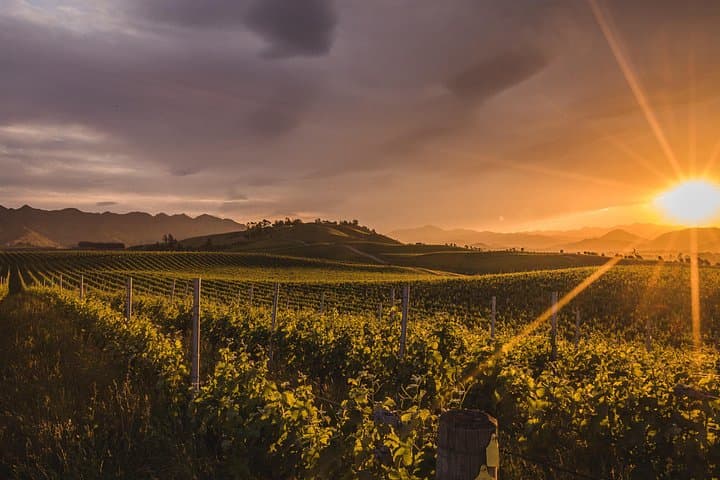
By mid-morning the Wairau Valley opens like a green map: vines run in neat, sun-bright lines toward distant hills, and the air smells of cut grass and citrus—the first note in a Marlborough Sauvignon Blanc. You step off a small coach onto a gravel drive framed by espaliered rows and the low hum of cellar-door conversation. A guide offers a tasting flight; glasses click. With every sip the region’s geology and human craft reveal themselves—minerality from free-draining alluvial soils, the bite of cool evenings, and decades of experimentation in barrels and bottle.
Verified experiences and guided adventures in the surrounding area.
Operated by Discovery Wine Tours - Marlborough, Blenheim, Havelock, Picton, Renwick · Blenheim, Marlborough
By mid-morning the Wairau Valley opens like a green map: vines run in neat, sun-bright lines toward distant hills, and the air smells of cut grass and citrus—the first note in a Marlborough Sauvignon Blanc. You step off a small coach onto a gravel drive framed by espaliered rows and the low hum of cellar-door conversation. A guide offers a tasting flight; glasses click. With every sip the region’s geology and human craft reveal themselves—minerality from free-draining alluvial soils, the bite of cool evenings, and decades of experimentation in barrels and bottle.
Marlborough’s story is recent and fast. The region exploded onto the world stage in the 1980s when Sauvignon Blanc—amplified by its maritime climate and stony Wairau soils—became a global benchmark. But the vineyards themselves sit on older histories: sheep and pastoral runs gave way to vines as irrigation and varietal trials reshaped the landscape. Today you’ll find family-run boutique cellars rubbing shoulders with larger estates, each with a different approach to oak, lees and bottle age.
Geology here is decisive. The Wairau and Awatere valleys are braided with river deposits and gravelly terraces that force vines to root deep and concentrate flavors. That tension—fruit-forward freshness held together by mineral structure—defines the wines you taste. Beyond the science, the culture of cellar doors is convivial and instructive: tasting rooms double as classrooms where pourers explain single-block bottlings, late-harvest techniques and why a Pinot Gris from a cooler site reads like pear and slate.
Practicalities matter on a six-hour excursion. Tours are paced for enjoyment not overindulgence—standard cellar-door fees are covered and a vineyard restaurant provides a sit-down lunch where cuisine leans on local produce and wine-pairing intuition. Pickup and drop-off from Blenheim accommodations is typically included; confirm your pickup point and any dietary needs in advance. Wear comfortable shoes for gravel and occasional steps into barrel rooms, and bring a reusable water bottle to stay balanced between tastings.
Expect light walking, focused conversation and a chance to buy directly from producers—often the best way to access single-vineyard releases. If you’re photographing, aim for the long rows in low afternoon light when shadows sketch the vines. If you’re curious about sustainability, ask about organic or dry-farmed blocks—many Marlborough producers are experimenting with lower-intervention methods.
A day in Marlborough leaves you with more than bottles: it gives you a clearer sense of place—the interaction of climate, soil and human choice that creates wine worth planning a return trip to taste again.
Standard cellar-door tasting fees are included in the tour tariff; food at the vineyard restaurant is payable by guests on the day.
The minimum drinking age is 18; guests must meet local legal requirements to participate in tastings.
Yes—pickup and drop-off from Blenheim accommodations is generally included; confirm your pickup point when booking.
Absolutely—most wineries sell on-site and will ship domestically; ask staff about shipping options and export paperwork for international purchases.
The tour is rated easy with light walking; contact the supplier ahead of time to discuss specific access needs and pickup arrangements.
Tours run year-round; vineyards are mostly accessible in light rain, but check cancellation policies—full refund available if you cancel at least 24 hours prior.
Discovery Wine Tours - Marlborough, Blenheim, Havelock, Picton, Renwick operates guided outdoor trips and adventures with an emphasis on safety, stewardship, and memorable experiences.

By mid-morning the Wairau Valley opens like a green map: vines run in neat, sun-bright lines toward distant hills, and the air smells of cut grass and citrus—the first note in a Marlborough Sauvignon Blanc. You step off a small coach onto a gravel drive framed by espaliered rows and the low hum of cellar-door conversation. A guide offers a tasting flight; glasses click. With every sip the region’s geology and human craft reveal themselves—minerality from free-draining alluvial soils, the bite of cool evenings, and decades of experimentation in barrels and bottle.
By mid-morning the Wairau Valley opens like a green map: vines run in neat, sun-bright lines toward distant hills, and the air smells of cut grass and citrus—the first note in a Marlborough Sauvignon Blanc. You step off a small coach onto a gravel drive framed by espaliered rows and the low hum of cellar-door conversation. A guide offers a tasting flight; glasses click. With every sip the region’s geology and human craft reveal themselves—minerality from free-draining alluvial soils, the bite of cool evenings, and decades of experimentation in barrels and bottle.
Marlborough’s story is recent and fast. The region exploded onto the world stage in the 1980s when Sauvignon Blanc—amplified by its maritime climate and stony Wairau soils—became a global benchmark. But the vineyards themselves sit on older histories: sheep and pastoral runs gave way to vines as irrigation and varietal trials reshaped the landscape. Today you’ll find family-run boutique cellars rubbing shoulders with larger estates, each with a different approach to oak, lees and bottle age.
Geology here is decisive. The Wairau and Awatere valleys are braided with river deposits and gravelly terraces that force vines to root deep and concentrate flavors. That tension—fruit-forward freshness held together by mineral structure—defines the wines you taste. Beyond the science, the culture of cellar doors is convivial and instructive: tasting rooms double as classrooms where pourers explain single-block bottlings, late-harvest techniques and why a Pinot Gris from a cooler site reads like pear and slate.
Practicalities matter on a six-hour excursion. Tours are paced for enjoyment not overindulgence—standard cellar-door fees are covered and a vineyard restaurant provides a sit-down lunch where cuisine leans on local produce and wine-pairing intuition. Pickup and drop-off from Blenheim accommodations is typically included; confirm your pickup point and any dietary needs in advance. Wear comfortable shoes for gravel and occasional steps into barrel rooms, and bring a reusable water bottle to stay balanced between tastings.
Expect light walking, focused conversation and a chance to buy directly from producers—often the best way to access single-vineyard releases. If you’re photographing, aim for the long rows in low afternoon light when shadows sketch the vines. If you’re curious about sustainability, ask about organic or dry-farmed blocks—many Marlborough producers are experimenting with lower-intervention methods.
A day in Marlborough leaves you with more than bottles: it gives you a clearer sense of place—the interaction of climate, soil and human choice that creates wine worth planning a return trip to taste again.