THE ADVENTURE COLLECTIVE® · Independent discovery and booking for outdoor travel

Swap the beach for the arena: a three-hour equestrian session near Marmaris that welcomes children and beginners while offering structured lessons for advanced riders. Expect English-style instruction, indoor and outdoor arenas, and a café where spectators can watch training.
Swap the beach for the arena: a three-hour equestrian session near Marmaris that welcomes children and beginners while offering structured lessons for advanced riders. Expect English-style instruction, indoor and outdoor arenas, and a café where spectators can watch training.
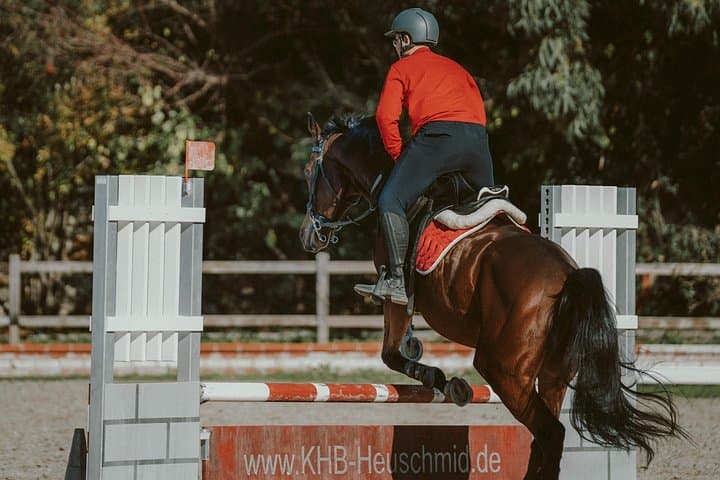
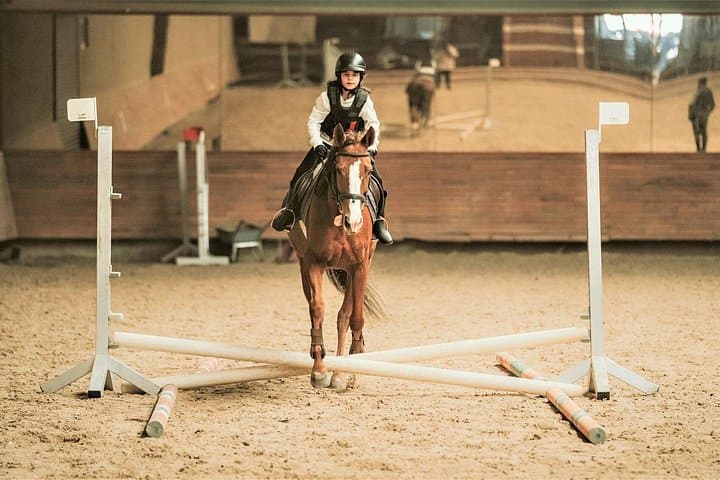
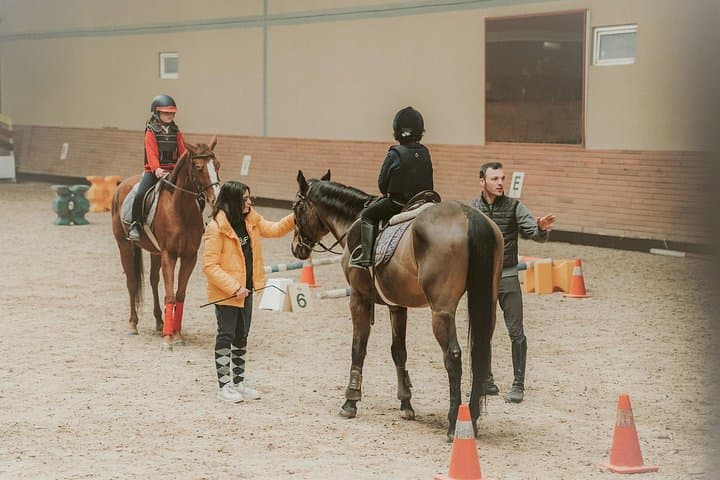
A low-slung sun pushes across the mane as riders file into the outdoor arena; the paddocks hum with the soft clink of tack and the distant surf of the Aegean. At Padok Riding Club, just outside Marmaris, riders trade tourist pace for the measured tempo of hoofbeat and breath. Coaches call adjustments in English-style terms while children learn to trust a pony’s slow momentum and seasoned riders work through basic dressage or jumping drills.
Verified experiences and guided adventures in the surrounding area.
Operated by Arbek Travel · Marmaris, Muğla
A low-slung sun pushes across the mane as riders file into the outdoor arena; the paddocks hum with the soft clink of tack and the distant surf of the Aegean. At Padok Riding Club, just outside Marmaris, riders trade tourist pace for the measured tempo of hoofbeat and breath. Coaches call adjustments in English-style terms while children learn to trust a pony’s slow momentum and seasoned riders work through basic dressage or jumping drills.
The coastline here is defined by limestone ridges and scrub-covered foothills—terrain that shaped local horse-breeding and riding traditions brought into modern instruction. The club operates under Turkish Equestrian Federation standards, offering indoor and outdoor arenas (25×60m indoor, 70×60m outdoor) and paddocks that support year-round lessons. Cultural ties to mounted work are practical rather than ceremonial; horses are trained for sport, instruction, and family recreation rather than long-distance travel.
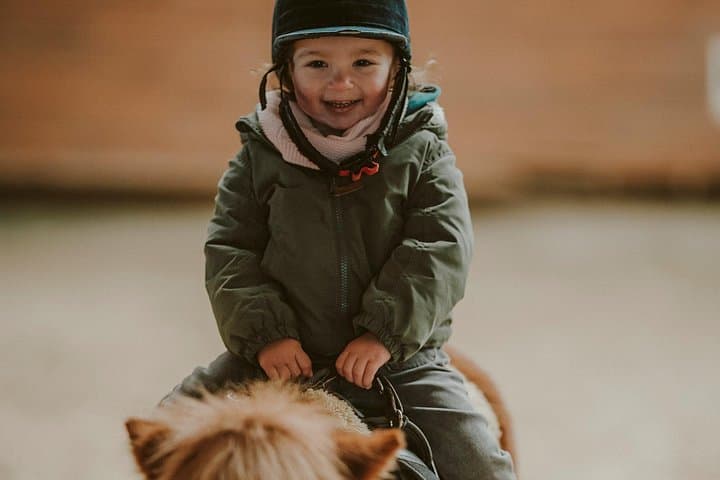
Practical guidance: lessons run three hours with transport options; helmets and body protectors are provided, but riders must wear long trousers and sport or anti-slip shoes. Weight and health limits apply and riders will be assessed before mounting—expect a brief skills check, tack fitting, and stepwise warm-up exercises. Children as young as two can participate in lead-rein sessions; solo riding starts at six.
This outing is accessible for most fitness levels but calls for clear communication with staff about experience and weight. Time your visit in the morning or late afternoon to avoid high summer heat, hydrate on breaks, and leave a little extra time to watch training from the terrace café—good coffee, dry shade, and an unobstructed view of horses at work.
Children can join lead-rein sessions from age 2 and start solo riding lessons from age 6, depending on assessment by instructors.
No—beginners are welcome. Riders will be assessed and matched to appropriate horses; lead-walkers are available for young or novice riders.
Yes. Riding hats and body protectors are provided and mandatory; riders should still wear long trousers and closed shoes.
Maximum rider weight is 85 kg; the activity is not recommended for those with serious spinal, heart conditions, or for pregnant travelers—disclose health info when booking.
Arbek Travel operates guided outdoor trips and adventures with an emphasis on safety, stewardship, and memorable experiences.
A low-slung sun pushes across the mane as riders file into the outdoor arena; the paddocks hum with the soft clink of tack and the distant surf of the Aegean. At Padok Riding Club, just outside Marmaris, riders trade tourist pace for the measured tempo of hoofbeat and breath. Coaches call adjustments in English-style terms while children learn to trust a pony’s slow momentum and seasoned riders work through basic dressage or jumping drills.
A low-slung sun pushes across the mane as riders file into the outdoor arena; the paddocks hum with the soft clink of tack and the distant surf of the Aegean. At Padok Riding Club, just outside Marmaris, riders trade tourist pace for the measured tempo of hoofbeat and breath. Coaches call adjustments in English-style terms while children learn to trust a pony’s slow momentum and seasoned riders work through basic dressage or jumping drills.
The coastline here is defined by limestone ridges and scrub-covered foothills—terrain that shaped local horse-breeding and riding traditions brought into modern instruction. The club operates under Turkish Equestrian Federation standards, offering indoor and outdoor arenas (25×60m indoor, 70×60m outdoor) and paddocks that support year-round lessons. Cultural ties to mounted work are practical rather than ceremonial; horses are trained for sport, instruction, and family recreation rather than long-distance travel.
Practical guidance: lessons run three hours with transport options; helmets and body protectors are provided, but riders must wear long trousers and sport or anti-slip shoes. Weight and health limits apply and riders will be assessed before mounting—expect a brief skills check, tack fitting, and stepwise warm-up exercises. Children as young as two can participate in lead-rein sessions; solo riding starts at six.
This outing is accessible for most fitness levels but calls for clear communication with staff about experience and weight. Time your visit in the morning or late afternoon to avoid high summer heat, hydrate on breaks, and leave a little extra time to watch training from the terrace café—good coffee, dry shade, and an unobstructed view of horses at work.