THE ADVENTURE COLLECTIVE® · Independent discovery and booking for outdoor travel

Walk limestone hills where more than 700 hominid fossils were found, ride a boat on an underground lake at Maropeng, and explore Sterkfontein Caves on a full-day guided tour from Johannesburg. Practical route notes and visitation tips help you make the most of the Cradle of Humankind.
Walk limestone hills where more than 700 hominid fossils were found, ride a boat on an underground lake at Maropeng, and explore Sterkfontein Caves on a full-day guided tour from Johannesburg. Practical route notes and visitation tips help you make the most of the Cradle of Humankind.
You step from an air-conditioned minibus into a windswept savanna where limestone outcrops rise like pages in a buried book. Dust lifts as guides usher the group toward low, hum-shaped hills; inside those hills lie caverns that have held bones for millions of years. A short walk takes you past interpretive panels, then down into cool, echoing chambers where an underground lake waits and a silent boat ride traces the slow current beneath the earth.
Verified experiences and guided adventures in the surrounding area.
Operated by lukunda shuttle services · Maropeng (Cradle of Humankind), Gauteng
You step from an air-conditioned minibus into a windswept savanna where limestone outcrops rise like pages in a buried book. Dust lifts as guides usher the group toward low, hum-shaped hills; inside those hills lie caverns that have held bones for millions of years. A short walk takes you past interpretive panels, then down into cool, echoing chambers where an underground lake waits and a silent boat ride traces the slow current beneath the earth.
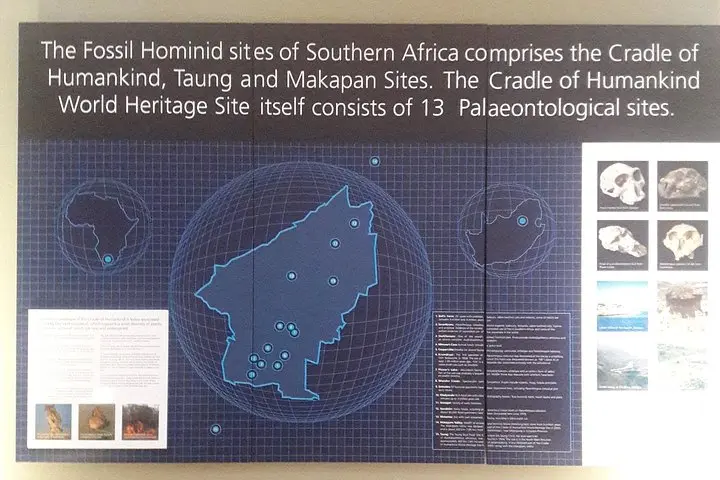
The Cradle of Humankind—centered on Maropeng Visitor Centre and the Sterkfontein Caves—has yielded more than 700 hominid specimens and helped rewrite our understanding of human origins. Geologically, the area is classic karst limestone, carved by water and time, preserving fossils in hard breccia. Culturally, the site sits within rural Gauteng landscapes historically used by Tswana-speaking communities; local guides often connect scientific finds to broader human stories.
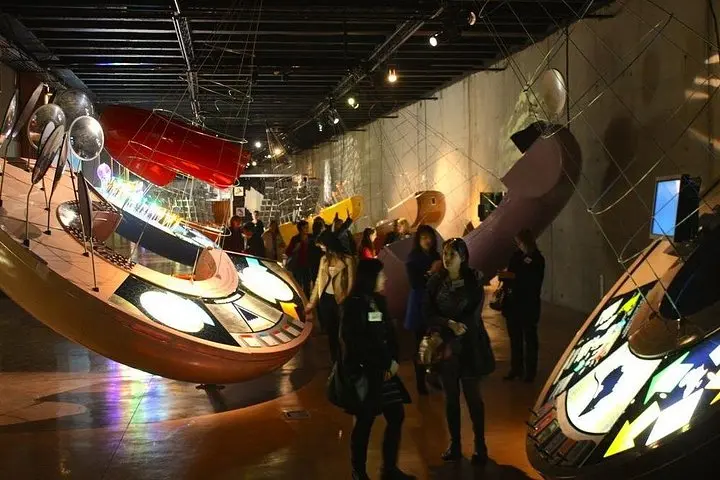
Practicalities are straightforward: expect a full-day outing (about seven hours) with guided cave access, museum exhibits and the Maropeng boat experience. Paths are well-maintained but can be uneven; bring sturdy shoes, sun protection for short outdoor stretches and a light layer for cooler cave temperatures. Photography is permitted in most exhibition areas but check guide instructions inside caves.
Timing early in the day reduces crowds and maximizes comfort in summer heat. The site balances accessibility and fragile archaeology—stay on marked trails and follow staff directions to help protect the fossils and the karst landscape for future visitors.
Yes—this full-day tour includes guided access and museum admission to Maropeng and entry to the Sterkfontein caves as listed in the itinerary.
Maropeng Visitor Centre and some transport are wheelchair accessible, but cave access may have steps or uneven surfaces—check specific accessibility needs when booking.
Children are welcome; track requirements vary, and the tour recommends a moderate fitness level—inform the operator about ages when booking.
Photography is generally allowed in exhibition spaces; inside delicate cave areas follow the guide’s directions—flash or tripods may be restricted to protect specimens.
lukunda shuttle services operates guided outdoor trips and adventures with an emphasis on safety, stewardship, and memorable experiences.
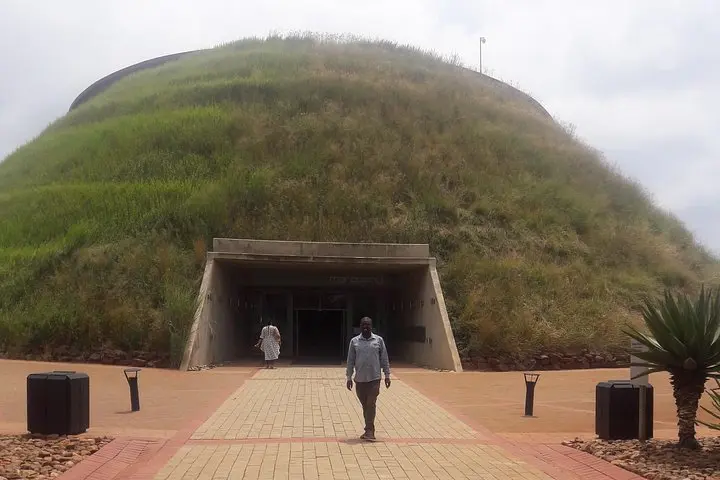
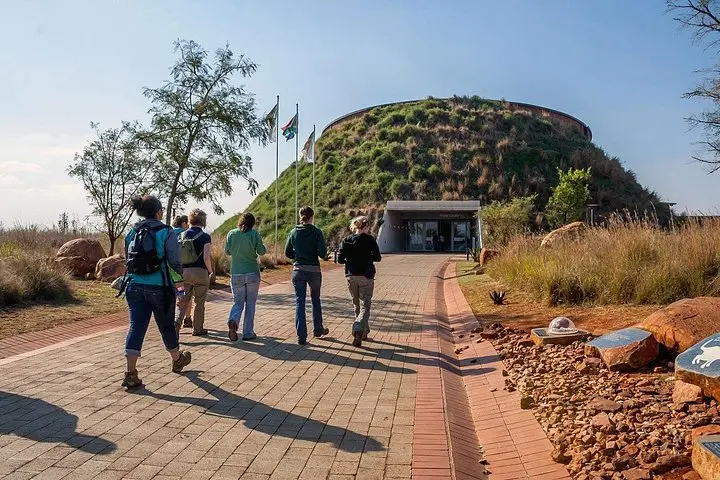
You step from an air-conditioned minibus into a windswept savanna where limestone outcrops rise like pages in a buried book. Dust lifts as guides usher the group toward low, hum-shaped hills; inside those hills lie caverns that have held bones for millions of years. A short walk takes you past interpretive panels, then down into cool, echoing chambers where an underground lake waits and a silent boat ride traces the slow current beneath the earth.
You step from an air-conditioned minibus into a windswept savanna where limestone outcrops rise like pages in a buried book. Dust lifts as guides usher the group toward low, hum-shaped hills; inside those hills lie caverns that have held bones for millions of years. A short walk takes you past interpretive panels, then down into cool, echoing chambers where an underground lake waits and a silent boat ride traces the slow current beneath the earth.
The Cradle of Humankind—centered on Maropeng Visitor Centre and the Sterkfontein Caves—has yielded more than 700 hominid specimens and helped rewrite our understanding of human origins. Geologically, the area is classic karst limestone, carved by water and time, preserving fossils in hard breccia. Culturally, the site sits within rural Gauteng landscapes historically used by Tswana-speaking communities; local guides often connect scientific finds to broader human stories.
Practicalities are straightforward: expect a full-day outing (about seven hours) with guided cave access, museum exhibits and the Maropeng boat experience. Paths are well-maintained but can be uneven; bring sturdy shoes, sun protection for short outdoor stretches and a light layer for cooler cave temperatures. Photography is permitted in most exhibition areas but check guide instructions inside caves.
Timing early in the day reduces crowds and maximizes comfort in summer heat. The site balances accessibility and fragile archaeology—stay on marked trails and follow staff directions to help protect the fossils and the karst landscape for future visitors.