THE ADVENTURE COLLECTIVE® · Independent discovery and booking for outdoor travel

Cross the High Atlas, walk Ait Ben Haddou’s ancient alleys, and watch Erg Chebbi shift colors from a camel’s back. This three-day loop pairs cultural stops with a night in a Berber desert camp.
Cross the High Atlas, walk Ait Ben Haddou’s ancient alleys, and watch Erg Chebbi shift colors from a camel’s back. This three-day loop pairs cultural stops with a night in a Berber desert camp.
The sun thins to gold as the high atlas gives way to ochre plains and you feel the dunes breathe beneath the camel’s steps—this is the first evening on the three-day Marrakech to Merzouga circuit. You leave Marrakech over the Tizi n'Tichka pass, cross rock-sheared valleys and arrive at kasbah-lined towns where clay walls hold centuries of desert stories.
Verified experiences and guided adventures in the surrounding area.
Operated by Jobiir'tours · Merzouga, Drâa-Tafilalet
The sun thins to gold as the high atlas gives way to ochre plains and you feel the dunes breathe beneath the camel’s steps—this is the first evening on the three-day Marrakech to Merzouga circuit. You leave Marrakech over the Tizi n'Tichka pass, cross rock-sheared valleys and arrive at kasbah-lined towns where clay walls hold centuries of desert stories.
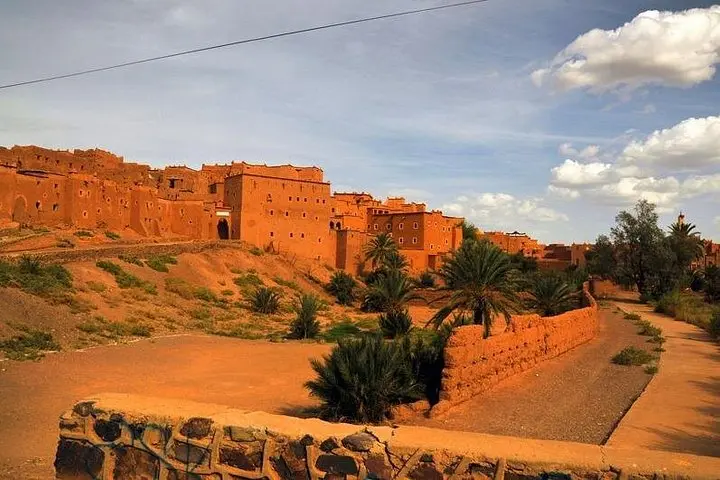
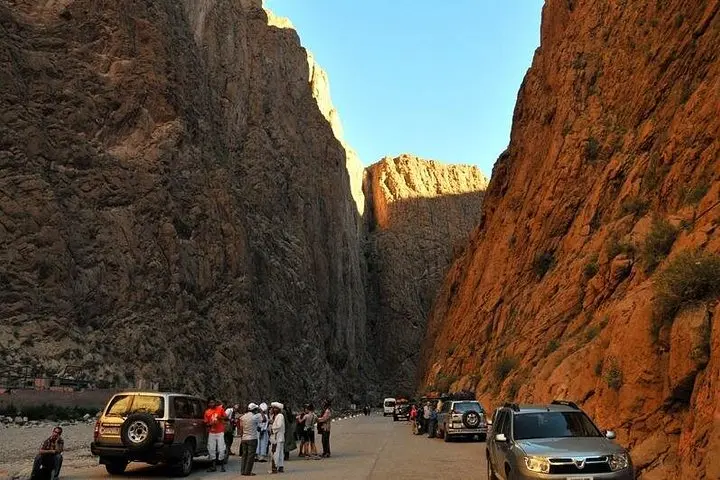
The route threads UNESCO’s Ait Ben Haddou, a fortified ksar of mudbrick that traces trade routes and film crews alike. Geology shifts sharply: folded limestone in the Dades and Todra gorges opens into the wind-sculpted sand of Erg Chebbi. Local Berber villages punctuate the journey—markets, palm oases and the low, welcoming hum of Gnawa music in places like Khamlia.
Expect a practical rhythm: long drives broken by short hikes in gorges, a late-afternoon camel ride to a desert camp, and a sunrise over the dunes that rewrites shadow and color every minute. Nights are cold and crystalline; days are intensely sunny. Camps offer traditional tents, simple dinners, and optional sandboarding on wind-formed faces.
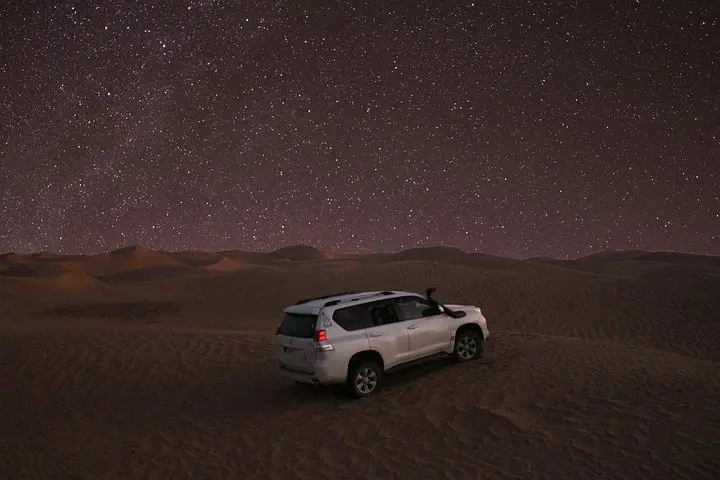
Plan for hydration and sun protection, and schedule your sleep to catch the sunrise—it's the best light for climbing a dune ridge. Wear sturdy shoes for stony approach trails and bring a small overnight pack for the camp night. For travelers eager to trade city bustle for star-swept quiet, this three-day loop balances culture, geology and the elemental pull of the Sahara.
Expect several hours of driving between sights—day 1 crosses Tizi n'Tichka and reaches Dades or Todra; day 2 continues to Merzouga; day 3 returns via Ouarzazate—plan for 4–7 hours on the road depending on stops.
Camel rides are low-impact but can be bumpy; riders of most fitness levels manage with short instruction and guidance from local handlers.
Camps range from basic nomadic-style tents with shared facilities to upgraded private tents; meals are typically simple, local, and included as noted.
Yes—main luggage is transported in the support vehicle; bring a small bag for the camel ride and an overnight stay in the camp.
Jobiir'tours operates guided outdoor trips and adventures with an emphasis on safety, stewardship, and memorable experiences.
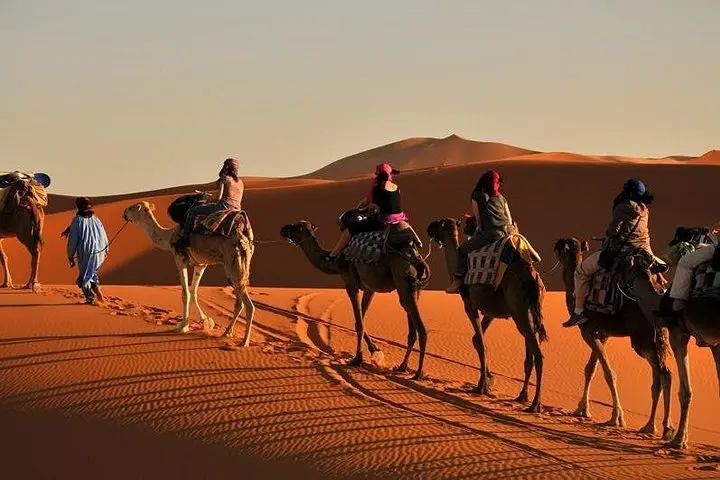
The sun thins to gold as the high atlas gives way to ochre plains and you feel the dunes breathe beneath the camel’s steps—this is the first evening on the three-day Marrakech to Merzouga circuit. You leave Marrakech over the Tizi n'Tichka pass, cross rock-sheared valleys and arrive at kasbah-lined towns where clay walls hold centuries of desert stories.
The sun thins to gold as the high atlas gives way to ochre plains and you feel the dunes breathe beneath the camel’s steps—this is the first evening on the three-day Marrakech to Merzouga circuit. You leave Marrakech over the Tizi n'Tichka pass, cross rock-sheared valleys and arrive at kasbah-lined towns where clay walls hold centuries of desert stories.
The route threads UNESCO’s Ait Ben Haddou, a fortified ksar of mudbrick that traces trade routes and film crews alike. Geology shifts sharply: folded limestone in the Dades and Todra gorges opens into the wind-sculpted sand of Erg Chebbi. Local Berber villages punctuate the journey—markets, palm oases and the low, welcoming hum of Gnawa music in places like Khamlia.
Expect a practical rhythm: long drives broken by short hikes in gorges, a late-afternoon camel ride to a desert camp, and a sunrise over the dunes that rewrites shadow and color every minute. Nights are cold and crystalline; days are intensely sunny. Camps offer traditional tents, simple dinners, and optional sandboarding on wind-formed faces.
Plan for hydration and sun protection, and schedule your sleep to catch the sunrise—it's the best light for climbing a dune ridge. Wear sturdy shoes for stony approach trails and bring a small overnight pack for the camp night. For travelers eager to trade city bustle for star-swept quiet, this three-day loop balances culture, geology and the elemental pull of the Sahara.