THE ADVENTURE COLLECTIVE® · Independent discovery and booking for outdoor travel

Cross the Atlas, climb a UNESCO kasbah, and sleep under the Sahara sky on this three-day private tour from Marrakech to Merzouga. Expect long scenic drives, a camel-led dune crossing, and nights in mountain riads and a desert camp.
Cross the Atlas, climb a UNESCO kasbah, and sleep under the Sahara sky on this three-day private tour from Marrakech to Merzouga. Expect long scenic drives, a camel-led dune crossing, and nights in mountain riads and a desert camp.
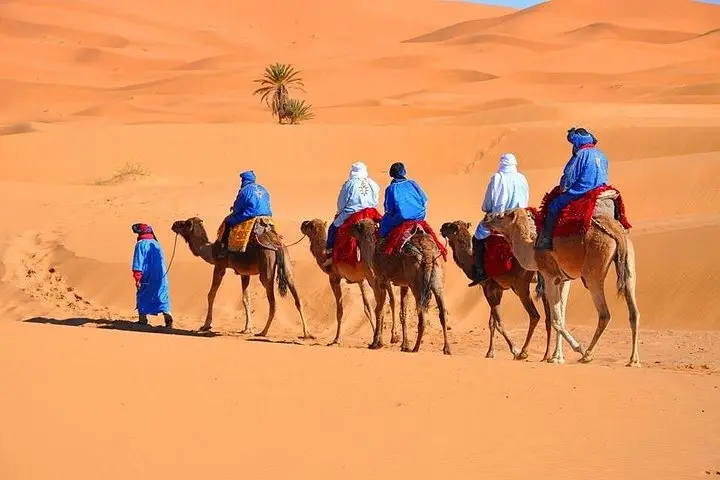
You step out before dawn and the dunes are already working on themselves: wind-sculpted ridges of golden sand that swallow your footprints and shine like metal under the rising sun.
Verified experiences and guided adventures in the surrounding area.
Operated by Morocco Tours 4x4 - Day Tours · Merzouga, Drâa-Tafilalet
You step out before dawn and the dunes are already working on themselves: wind-sculpted ridges of golden sand that swallow your footprints and shine like metal under the rising sun.
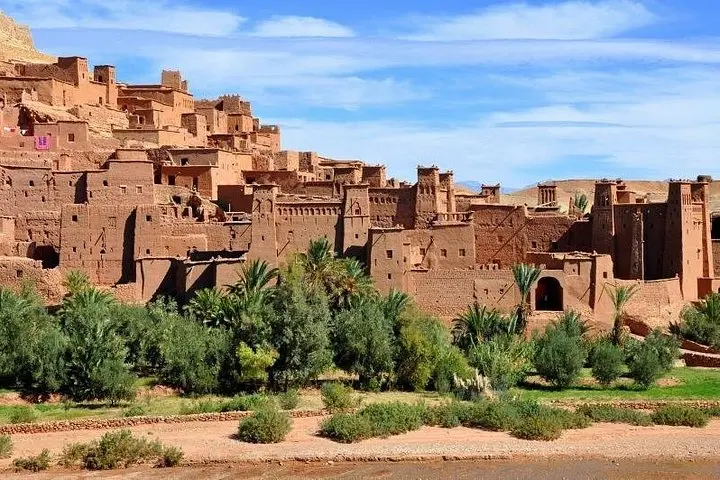
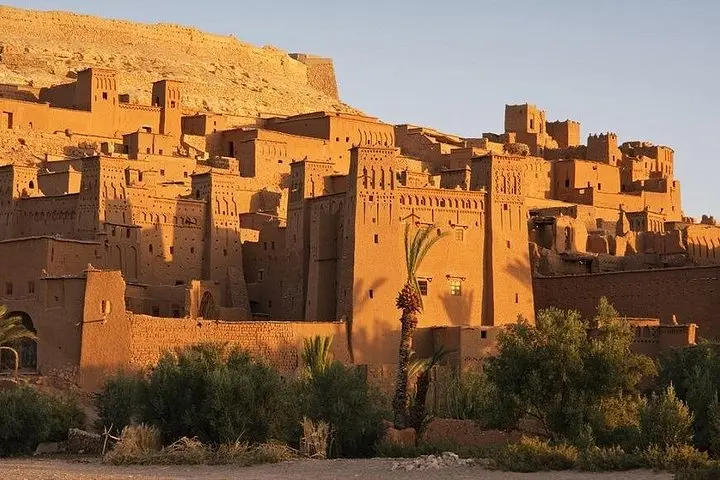
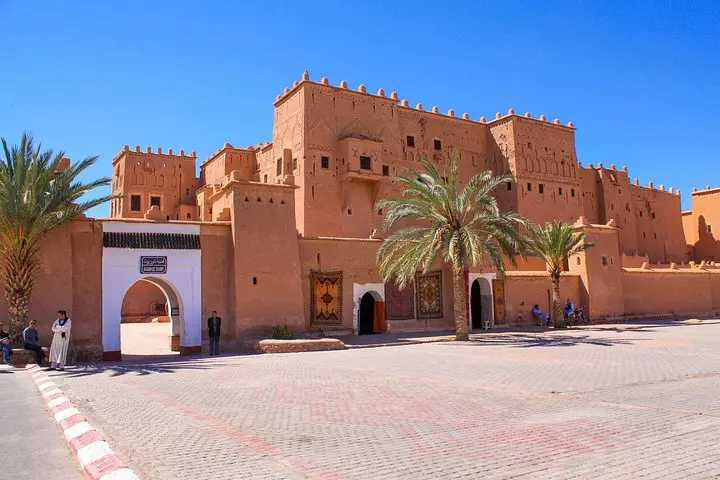
This three-day loop from Marrakech threads over the Tizi n'Tichka pass (about 2,260 m), down ancient caravan roads past the earthen kasbahs of Ait Benhaddou (a UNESCO ksar), and into the widening moonscape of the Erg Chebbi dunes near Merzouga. Along the way geology reads like a field guide—red sandstone gorges at Todgha with vertical cliffs up to 300 m, fossil-rich plateaus around Erfoud, and the soft, mobile dunes that can top 100–150 m.
Culture is present in small ways: Berber cooperatives making argan oil, roadside tea invitations, and riads in oases towns that still follow centuries-old hospitality rhythms. The desert camp night is simple and deliberate—nomad tents, campfire bread, and a ceiling of stars that feels close enough to touch.
Practical guide: expect roughly 550–600 km of driving spread across three days, with long stretches of paved road and a few gravel approaches near remote villages. Camel treks commonly run 60–90 minutes at a relaxed pace; sand walking is soft and tiring—pack gaiters if you plan to explore dunes on foot. Temperatures swing wildly: hot by day, cold after sunset. Carry 2–3 liters of water per person for daytime, sun protection, layered clothing for night, and small-denomination cash for local purchases and tips. Plan pickups early in Marrakech to avoid midday heat and maximize light for stops at Ait Benhaddou, Dades, and Todgha.
Camel treks in this itinerary are usually 60–90 minutes at a steady, gentle pace; mounting is assisted and no technical skill is required, though soft sand can be tiring on foot.
Camps are comfortable, typically in Berber-style tents with sleeping mats, blankets, and shared facilities; luxury upgrades may be available through some operators.
The tour is listed as suitable for all fitness levels, but camel riding and dune walking may be challenging for very young children or those with limited mobility—check about alternate transport or shorter rides.
Bring Moroccan dirhams in small denominations for market purchases, tips, and local services; some hotels accept cards but remote spots and guides prefer cash.
Morocco Tours 4x4 - Day Tours operates guided outdoor trips and adventures with an emphasis on safety, stewardship, and memorable experiences.
You step out before dawn and the dunes are already working on themselves: wind-sculpted ridges of golden sand that swallow your footprints and shine like metal under the rising sun.
You step out before dawn and the dunes are already working on themselves: wind-sculpted ridges of golden sand that swallow your footprints and shine like metal under the rising sun.
This three-day loop from Marrakech threads over the Tizi n'Tichka pass (about 2,260 m), down ancient caravan roads past the earthen kasbahs of Ait Benhaddou (a UNESCO ksar), and into the widening moonscape of the Erg Chebbi dunes near Merzouga. Along the way geology reads like a field guide—red sandstone gorges at Todgha with vertical cliffs up to 300 m, fossil-rich plateaus around Erfoud, and the soft, mobile dunes that can top 100–150 m.
Culture is present in small ways: Berber cooperatives making argan oil, roadside tea invitations, and riads in oases towns that still follow centuries-old hospitality rhythms. The desert camp night is simple and deliberate—nomad tents, campfire bread, and a ceiling of stars that feels close enough to touch.
Practical guide: expect roughly 550–600 km of driving spread across three days, with long stretches of paved road and a few gravel approaches near remote villages. Camel treks commonly run 60–90 minutes at a relaxed pace; sand walking is soft and tiring—pack gaiters if you plan to explore dunes on foot. Temperatures swing wildly: hot by day, cold after sunset. Carry 2–3 liters of water per person for daytime, sun protection, layered clothing for night, and small-denomination cash for local purchases and tips. Plan pickups early in Marrakech to avoid midday heat and maximize light for stops at Ait Benhaddou, Dades, and Todgha.