THE ADVENTURE COLLECTIVE® · Independent discovery and booking for outdoor travel
Swap Marrakech’s streets for the Agafay’s stone plains on an evening of quad biking, a single-rider camel trek, and a communal Berber dinner and show. Expect dusty tracks, sunset views of the High Atlas, and a lively campfire finale.
Swap Marrakech’s streets for the Agafay’s stone plains on an evening of quad biking, a single-rider camel trek, and a communal Berber dinner and show. Expect dusty tracks, sunset views of the High Atlas, and a lively campfire finale.
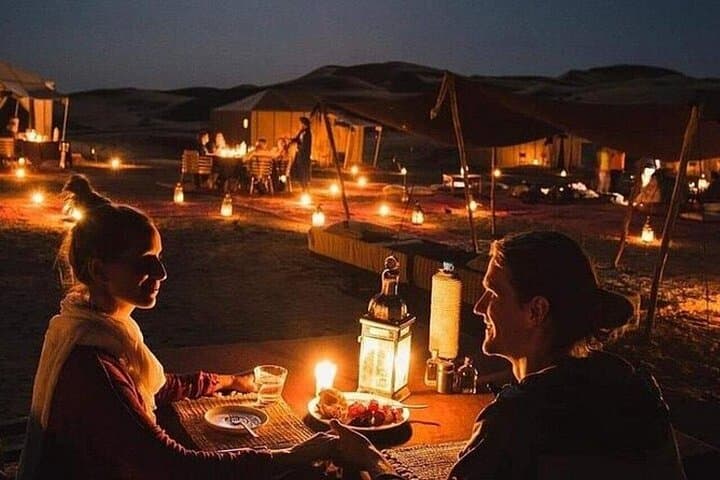
A late-afternoon drive from Marrakech drops you onto the Agafay’s stony plain where wind-sculpted rock and low scrub open like a stage for sunset. The air carries dust and spices; quad tires kick up pale dust while camels move with deliberate patience. As light thins, the camp’s lanterns and a distant pool give the scene a human scale against the silhouette of the High Atlas.
Verified experiences and guided adventures in the surrounding area.
Operated by Marrakesh trips · Marrakech, Marrakech-Safi
A late-afternoon drive from Marrakech drops you onto the Agafay’s stony plain where wind-sculpted rock and low scrub open like a stage for sunset. The air carries dust and spices; quad tires kick up pale dust while camels move with deliberate patience. As light thins, the camp’s lanterns and a distant pool give the scene a human scale against the silhouette of the High Atlas.
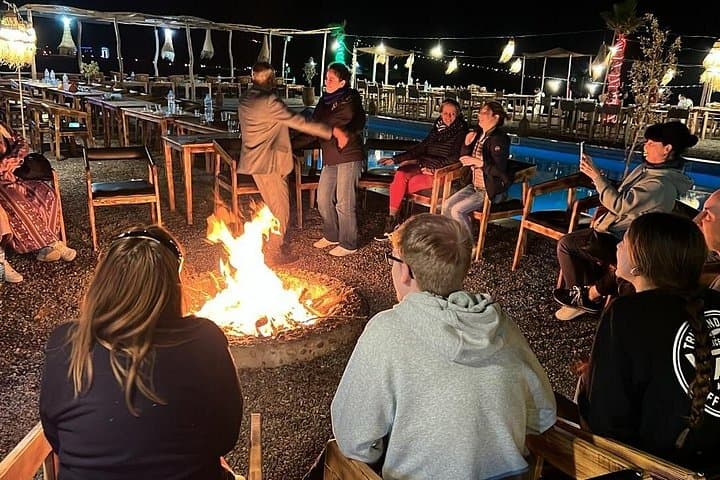
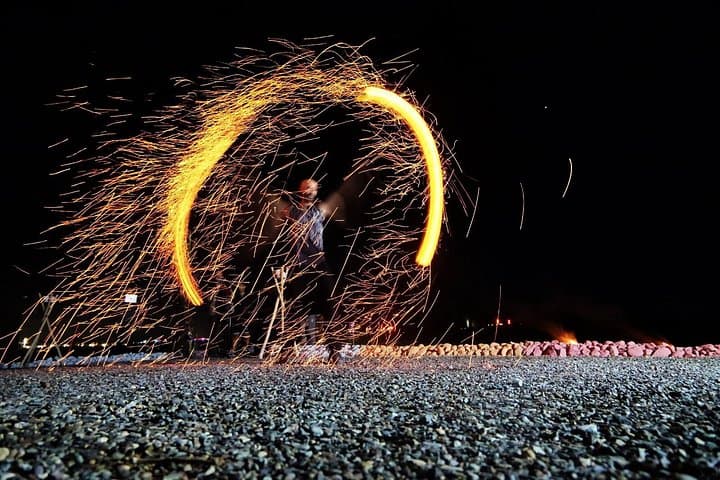
Geologically Agafay is a rocky, non-sand desert—an alluvial and stony landscape formed by ancient rivers and erosion rather than dunes. Culturally the area sits on routes long used by Berber communities; evening gatherings around fire and music reflect traditions adapted for visitors. The camp experience mixes short guided quad loops and single-rider camel treks with a communal tent dinner featuring harira, tagine and couscous, plus live Berber music and a fire performance.
Practical guidance: the program runs about five to six hours including transfers from Marrakech; most operators pair guests for two-up quads and provide basic instruction. Terrain is loose, rocky, and uneven—expect jolts and dust. Sunset is peak photo time; cameras and a steady hand pay dividends. Wear closed-toe shoes, long sleeves for sun and dust, and bring a small daypack with water and a headscarf for wind.
Accessibility: many providers offer transport and camp areas that are reachable, but quad and camel activities have physical constraints. Safety is standard: helmets for ATVs, briefings, and staff supervision. Plan for cooler desert nights after sunset and be ready to join the music rather than spectate.
Yes—most packages include round-trip transfers from central Marrakech pickup points; confirm your pickup location at booking.
Quads are usually driven two persons per vehicle with an instructor or guide; solo rides may be available only with operator approval and extra fee.
Children can usually participate in camel rides; quad driving may have age and height limits. While some camp areas are accessible, quad and camel activities require physical mobility—check operator details for wheelchair needs.
Dress casually but modestly; evenings are informal but the desert cools after sunset, so bring a light jacket or shawl.
Marrakesh trips operates guided outdoor trips and adventures with an emphasis on safety, stewardship, and memorable experiences.

A late-afternoon drive from Marrakech drops you onto the Agafay’s stony plain where wind-sculpted rock and low scrub open like a stage for sunset. The air carries dust and spices; quad tires kick up pale dust while camels move with deliberate patience. As light thins, the camp’s lanterns and a distant pool give the scene a human scale against the silhouette of the High Atlas.
A late-afternoon drive from Marrakech drops you onto the Agafay’s stony plain where wind-sculpted rock and low scrub open like a stage for sunset. The air carries dust and spices; quad tires kick up pale dust while camels move with deliberate patience. As light thins, the camp’s lanterns and a distant pool give the scene a human scale against the silhouette of the High Atlas.
Geologically Agafay is a rocky, non-sand desert—an alluvial and stony landscape formed by ancient rivers and erosion rather than dunes. Culturally the area sits on routes long used by Berber communities; evening gatherings around fire and music reflect traditions adapted for visitors. The camp experience mixes short guided quad loops and single-rider camel treks with a communal tent dinner featuring harira, tagine and couscous, plus live Berber music and a fire performance.
Practical guidance: the program runs about five to six hours including transfers from Marrakech; most operators pair guests for two-up quads and provide basic instruction. Terrain is loose, rocky, and uneven—expect jolts and dust. Sunset is peak photo time; cameras and a steady hand pay dividends. Wear closed-toe shoes, long sleeves for sun and dust, and bring a small daypack with water and a headscarf for wind.
Accessibility: many providers offer transport and camp areas that are reachable, but quad and camel activities have physical constraints. Safety is standard: helmets for ATVs, briefings, and staff supervision. Plan for cooler desert nights after sunset and be ready to join the music rather than spectate.
