THE ADVENTURE COLLECTIVE® · Independent discovery and booking for outdoor travel

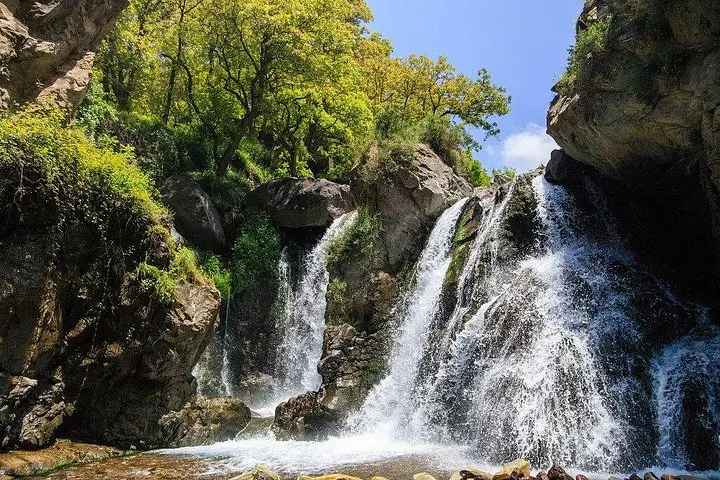
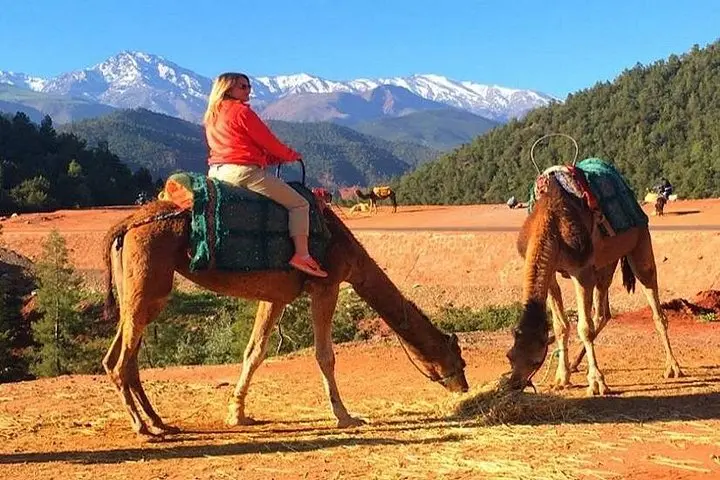
A single-day escape from Marrakech into the High Atlas—visit Berber villages, watch argan oil production, hike valley trails and ride a camel near waterfalls. Practical, paceable and rich in local culture, it’s a full day of landscape and living history.
A single-day escape from Marrakech into the High Atlas—visit Berber villages, watch argan oil production, hike valley trails and ride a camel near waterfalls. Practical, paceable and rich in local culture, it’s a full day of landscape and living history.
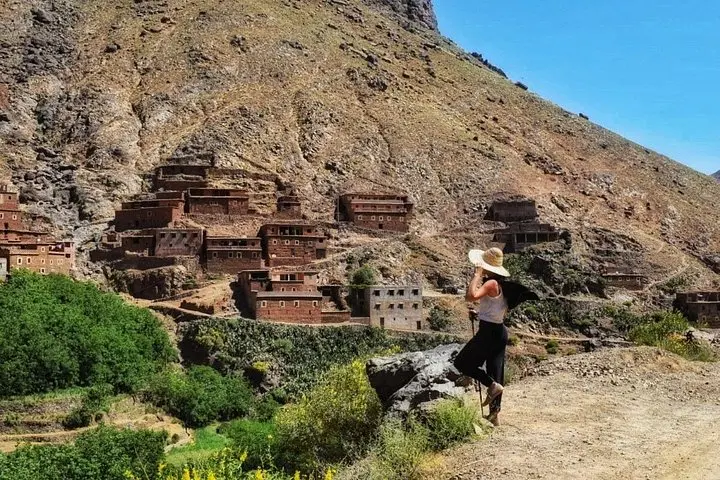
You leave Marrakech before the city swells—tarmac unspools into a patchwork of argan trees and scrub, the Atlas rising like a patient wall on the horizon. Wind scours the slopes; a river below dares you to follow it upstream. Villages with flat-roofed houses appear, and the guide eases the vehicle onto narrower tracks as the day opens.
Verified experiences and guided adventures in the surrounding area.
Operated by Trips From Marrakech · Marrakech, Marrakech-Safi
You leave Marrakech before the city swells—tarmac unspools into a patchwork of argan trees and scrub, the Atlas rising like a patient wall on the horizon. Wind scours the slopes; a river below dares you to follow it upstream. Villages with flat-roofed houses appear, and the guide eases the vehicle onto narrower tracks as the day opens.
The High Atlas holds human stories going back millennia: Amazigh (Berber) communities have shaped terraces and trade routes here for thousands of years. Geologically, the range is young and uplifted—folded rock, abrupt ridgelines and rivers that carve steep gullies toward Marrakech. Culture shows in small details: women turning argan kernels into oil, mint tea poured with a practiced wrist, and hospitality offered in a Berber house where lunch is a deliberate, shared pause.
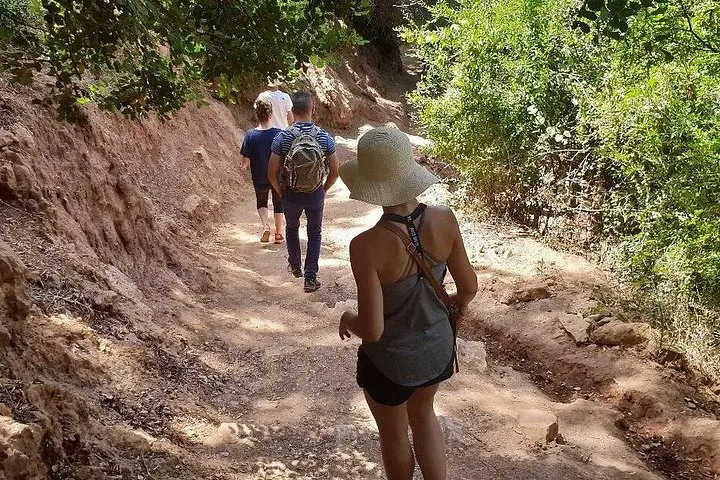
On this full-day tour expect 1–2 hours of walking across mixed terrain—dirt tracks, stone steps and occasional loose scree—plus a 30–45 minute camel ride in the foothills. Elevation changes are modest for a day trip (roughly 200–400 m cumulative gain) but a few short climbs are steady.
Practical edge: start early to avoid midday heat, wear supportive footwear, and carry 1–2 liters of water. Bring cash for the argan cooperative and small tips; cameras will fill fast with waterfalls and valley views. The guide handles logistics and pickup from Marrakech, but local terrain rewards attention: pick your step on village paths, respect private yards, and move slowly to soak in both landscape and living culture.
Expect about 1–2 hours of walking on marked and local trails with short climbs and rests; the day includes other activities and travel time totaling roughly 7 hours.
Yes—pickup and drop-off in Marrakech are included; the operator typically confirms your pickup point at booking.
Lunch in a Berber house is included, along with tea and coffee breaks; bring snacks if you need extra energy between stops.
The tour is rated suitable for most fitness levels, but it’s not recommended for people with serious cardiovascular issues; children can join but supervise them on uneven trail sections and near waterfalls.
Trips From Marrakech operates guided outdoor trips and adventures with an emphasis on safety, stewardship, and memorable experiences.
You leave Marrakech before the city swells—tarmac unspools into a patchwork of argan trees and scrub, the Atlas rising like a patient wall on the horizon. Wind scours the slopes; a river below dares you to follow it upstream. Villages with flat-roofed houses appear, and the guide eases the vehicle onto narrower tracks as the day opens.
You leave Marrakech before the city swells—tarmac unspools into a patchwork of argan trees and scrub, the Atlas rising like a patient wall on the horizon. Wind scours the slopes; a river below dares you to follow it upstream. Villages with flat-roofed houses appear, and the guide eases the vehicle onto narrower tracks as the day opens.
The High Atlas holds human stories going back millennia: Amazigh (Berber) communities have shaped terraces and trade routes here for thousands of years. Geologically, the range is young and uplifted—folded rock, abrupt ridgelines and rivers that carve steep gullies toward Marrakech. Culture shows in small details: women turning argan kernels into oil, mint tea poured with a practiced wrist, and hospitality offered in a Berber house where lunch is a deliberate, shared pause.
On this full-day tour expect 1–2 hours of walking across mixed terrain—dirt tracks, stone steps and occasional loose scree—plus a 30–45 minute camel ride in the foothills. Elevation changes are modest for a day trip (roughly 200–400 m cumulative gain) but a few short climbs are steady.
Practical edge: start early to avoid midday heat, wear supportive footwear, and carry 1–2 liters of water. Bring cash for the argan cooperative and small tips; cameras will fill fast with waterfalls and valley views. The guide handles logistics and pickup from Marrakech, but local terrain rewards attention: pick your step on village paths, respect private yards, and move slowly to soak in both landscape and living culture.