THE ADVENTURE COLLECTIVE® · Independent discovery and booking for outdoor travel

Pedal from the theater of Jemaa el-Fnaa into the honeycomb alleys of the Medina, then out to Gueliz’s broad boulevards. This 3–4 hour guided city bike tour balances fast city moves with thoughtful stops at gardens, historic quarters, and the train station.
Pedal from the theater of Jemaa el-Fnaa into the honeycomb alleys of the Medina, then out to Gueliz’s broad boulevards. This 3–4 hour guided city bike tour balances fast city moves with thoughtful stops at gardens, historic quarters, and the train station.
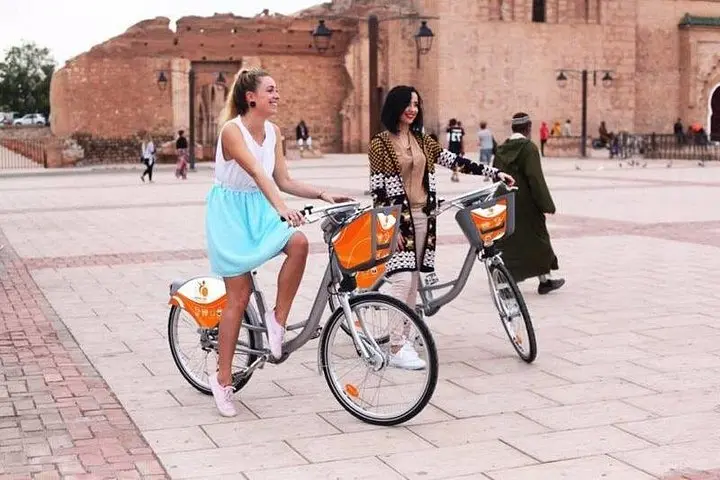
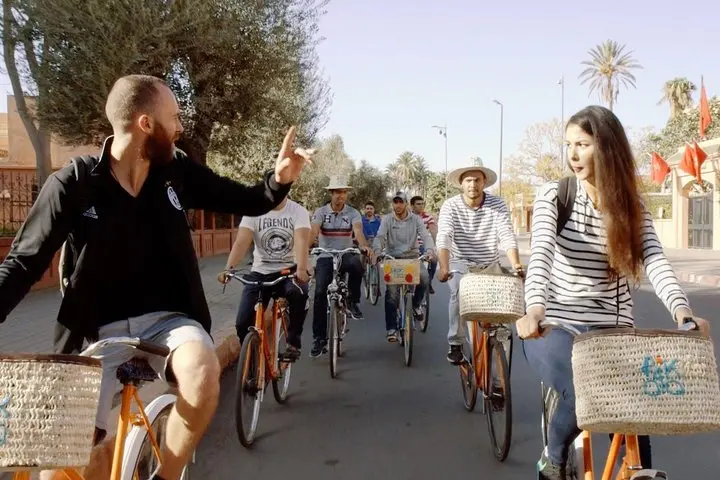
The bikes hum through warm air as the tour leaves the pulsing square of Jemaa el-Fnaa, weaving into alleys where the city’s voices rise and fall like tide. Riders feel the contrast quickly: the frenetic spice stalls and snake-charmers of the Medina give way to broad, tree-lined boulevards in Gueliz.
Verified experiences and guided adventures in the surrounding area.
Operated by Jemaa el-Fnaa · Marrakech, Marrakech-Safi
The bikes hum through warm air as the tour leaves the pulsing square of Jemaa el-Fnaa, weaving into alleys where the city’s voices rise and fall like tide. Riders feel the contrast quickly: the frenetic spice stalls and snake-charmers of the Medina give way to broad, tree-lined boulevards in Gueliz.
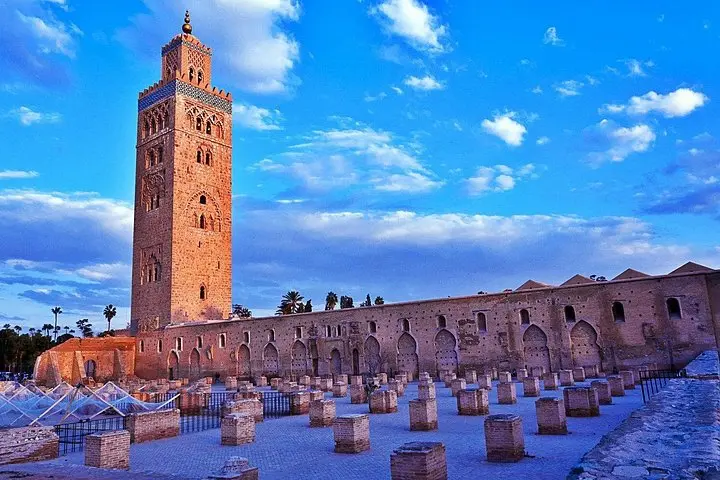
Marrakech was founded in the 11th century by the Almoravids; its red walls and layered neighborhoods reflect centuries of trade, crafts, and imperial ambition. Geologically the city sits on a plain near the High Atlas foothills—flat for cycling, with distant peaks framing the skyline. Cultural rhythms are immediate: call to prayer from minarets, vendors negotiating in Darija and French, and the steady pace of craftsmen in tucked‑away souks.
A typical 3–4 hour bike tour covers 8–15 km on paved and cobbled streets with minimal elevation gain, pausing at gardens, the train station, the Mellah, and Gueliz for context and photos. Surfaces vary—smooth avenues, tight market lanes, and occasional gritty side streets—so expect frequent stops and close traffic.
Practical guidance: bring a reusable water bottle, use a comfortable bike with good brakes, and wear closed-toe shoes. Midday summer heat can be harsh; schedule morning or late-afternoon departures. Follow your guide’s instructions in busy souk sections and yield to pedestrians. Helmets and bottled water are typically provided, but confirm ahead and carry small change for quick purchases.
This ride is urban exploration by pedal—fast enough to cover contrasts, slow enough to notice them.
Yes—bikes and basic helmets are included in the tour price, but confirm helmet sizes if you need a specific fit.
The tour asks for moderate fitness; it’s suitable for older children and adults who can manage short urban rides, but it’s not recommended for those with heart problems.
Expect roughly 8–15 km with minimal elevation gain—most riding is flat to gently rolling within the city.
Full refunds are available if you cancel at least 24 hours before departure; bad weather may also cancel the tour with refund options.
Jemaa el-Fnaa operates guided outdoor trips and adventures with an emphasis on safety, stewardship, and memorable experiences.
The bikes hum through warm air as the tour leaves the pulsing square of Jemaa el-Fnaa, weaving into alleys where the city’s voices rise and fall like tide. Riders feel the contrast quickly: the frenetic spice stalls and snake-charmers of the Medina give way to broad, tree-lined boulevards in Gueliz.
The bikes hum through warm air as the tour leaves the pulsing square of Jemaa el-Fnaa, weaving into alleys where the city’s voices rise and fall like tide. Riders feel the contrast quickly: the frenetic spice stalls and snake-charmers of the Medina give way to broad, tree-lined boulevards in Gueliz.
Marrakech was founded in the 11th century by the Almoravids; its red walls and layered neighborhoods reflect centuries of trade, crafts, and imperial ambition. Geologically the city sits on a plain near the High Atlas foothills—flat for cycling, with distant peaks framing the skyline. Cultural rhythms are immediate: call to prayer from minarets, vendors negotiating in Darija and French, and the steady pace of craftsmen in tucked‑away souks.
A typical 3–4 hour bike tour covers 8–15 km on paved and cobbled streets with minimal elevation gain, pausing at gardens, the train station, the Mellah, and Gueliz for context and photos. Surfaces vary—smooth avenues, tight market lanes, and occasional gritty side streets—so expect frequent stops and close traffic.
Practical guidance: bring a reusable water bottle, use a comfortable bike with good brakes, and wear closed-toe shoes. Midday summer heat can be harsh; schedule morning or late-afternoon departures. Follow your guide’s instructions in busy souk sections and yield to pedestrians. Helmets and bottled water are typically provided, but confirm ahead and carry small change for quick purchases.
This ride is urban exploration by pedal—fast enough to cover contrasts, slow enough to notice them.