THE ADVENTURE COLLECTIVE® · Independent discovery and booking for outdoor travel

A full-day guided trip from Casablanca into Marrakech’s medina combines the Koutoubia minaret, bustling Djemaa El Fna, palace courtyards and a short camel ride—ideal for travelers seeking culture with a light outdoor element.
A full-day guided trip from Casablanca into Marrakech’s medina combines the Koutoubia minaret, bustling Djemaa El Fna, palace courtyards and a short camel ride—ideal for travelers seeking culture with a light outdoor element.
You step off the private van just beyond the city gates and the air changes—spices, orange peel, frying oil and the faint breath of desert. The Koutoubia's minaret pins a vertical line into the sky and the medina unfolds as a labyrinth of narrow streets, tiled doorways and rooftop cafés where steam rises from mint tea.
Verified experiences and guided adventures in the surrounding area.
Operated by Marrakechandcasablancatours · Marrakech, Marrakesh-Safi
You step off the private van just beyond the city gates and the air changes—spices, orange peel, frying oil and the faint breath of desert. The Koutoubia's minaret pins a vertical line into the sky and the medina unfolds as a labyrinth of narrow streets, tiled doorways and rooftop cafés where steam rises from mint tea.
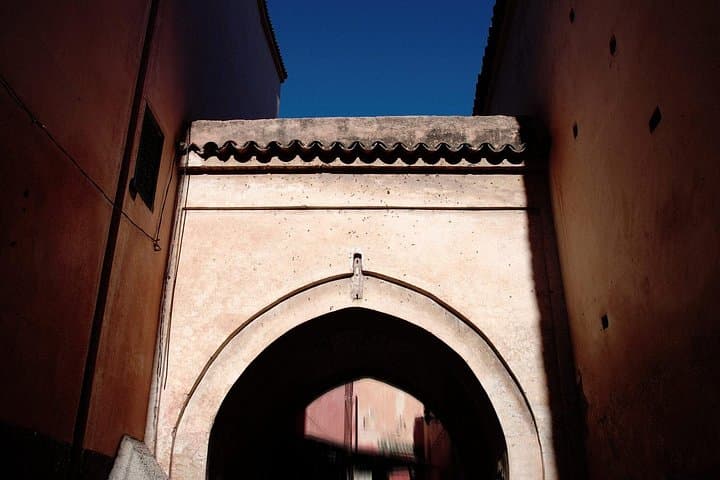
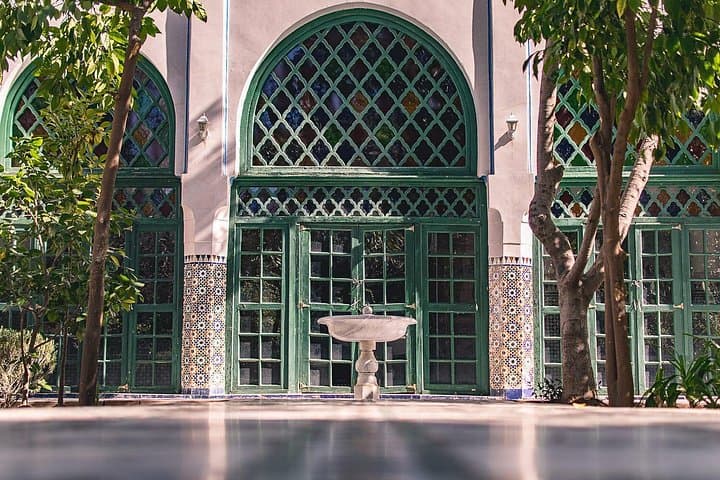
Founded in the 11th century and reshaped by the Almohads in the 12th, Marrakech’s architecture is a study in ochre walls, carved plaster and zellige tilework. The Djemaa El Fna square hums with storytellers, musicians and food stalls; nearby, the Saadian tombs and Bahia Palace speak to dynasties that made the city a political and mercantile hub. Geologically, Marrakech sits at the northern edge of the High Atlas foothills—sand and stone colours bleed into townscapes and give the city its warm palette.
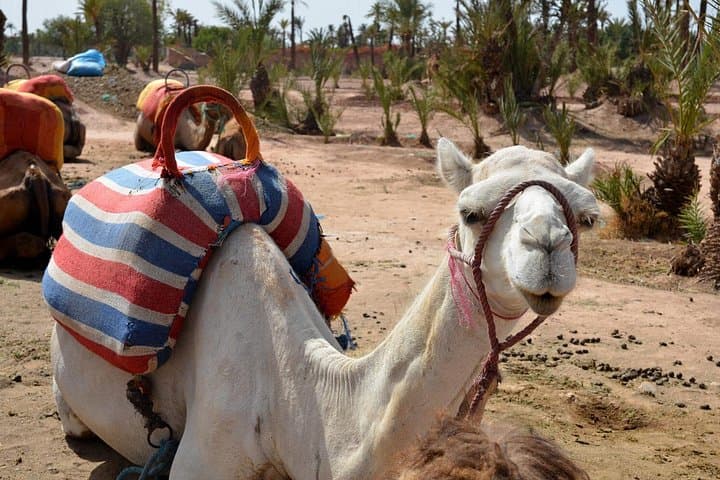
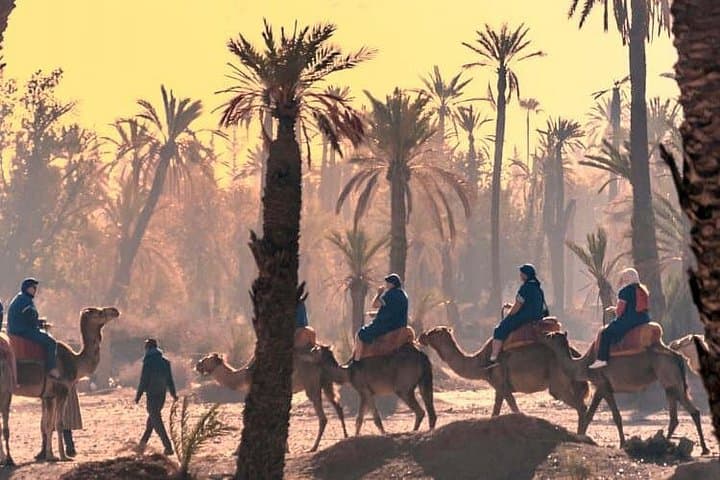
You'll spend the day weaving through specialized souks—leather, woodwork, spices—where bargaining is part of the rhythm. The camel ride typically takes place on the outskirts or in a palm grove, a brief but evocative link to Morocco’s caravan history.
Practical guidance: wear sturdy closed-toe shoes for uneven alleys; bring cash (dirham) for small purchases and tips; carry sun protection and a reusable water bottle; and plan to meet the city’s pace—move slowly, check rooftop views for orientation, and keep valuable items secure. Expect a full, sensory day that mixes sharp cultural sights with a calm, uncomplicated camel ride to round out the experience.
Yes—this tour typically includes private transportation from a listed pickup point in Casablanca; confirm pickup details at booking.
Camel rides provided on these tours are short and guided; they are suitable for most people, though those with serious back or heart conditions should avoid them.
No—non-Muslims cannot enter the Koutoubia mosque interior, but the exterior and surrounding gardens are accessible and dramatic for photos.
Dress modestly—shoulders and knees covered are respectful; lightweight, breathable fabrics work best for daytime walking.
Marrakechandcasablancatours operates guided outdoor trips and adventures with an emphasis on safety, stewardship, and memorable experiences.
You step off the private van just beyond the city gates and the air changes—spices, orange peel, frying oil and the faint breath of desert. The Koutoubia's minaret pins a vertical line into the sky and the medina unfolds as a labyrinth of narrow streets, tiled doorways and rooftop cafés where steam rises from mint tea.
You step off the private van just beyond the city gates and the air changes—spices, orange peel, frying oil and the faint breath of desert. The Koutoubia's minaret pins a vertical line into the sky and the medina unfolds as a labyrinth of narrow streets, tiled doorways and rooftop cafés where steam rises from mint tea.
Founded in the 11th century and reshaped by the Almohads in the 12th, Marrakech’s architecture is a study in ochre walls, carved plaster and zellige tilework. The Djemaa El Fna square hums with storytellers, musicians and food stalls; nearby, the Saadian tombs and Bahia Palace speak to dynasties that made the city a political and mercantile hub. Geologically, Marrakech sits at the northern edge of the High Atlas foothills—sand and stone colours bleed into townscapes and give the city its warm palette.
You'll spend the day weaving through specialized souks—leather, woodwork, spices—where bargaining is part of the rhythm. The camel ride typically takes place on the outskirts or in a palm grove, a brief but evocative link to Morocco’s caravan history.
Practical guidance: wear sturdy closed-toe shoes for uneven alleys; bring cash (dirham) for small purchases and tips; carry sun protection and a reusable water bottle; and plan to meet the city’s pace—move slowly, check rooftop views for orientation, and keep valuable items secure. Expect a full, sensory day that mixes sharp cultural sights with a calm, uncomplicated camel ride to round out the experience.